 EN
EN


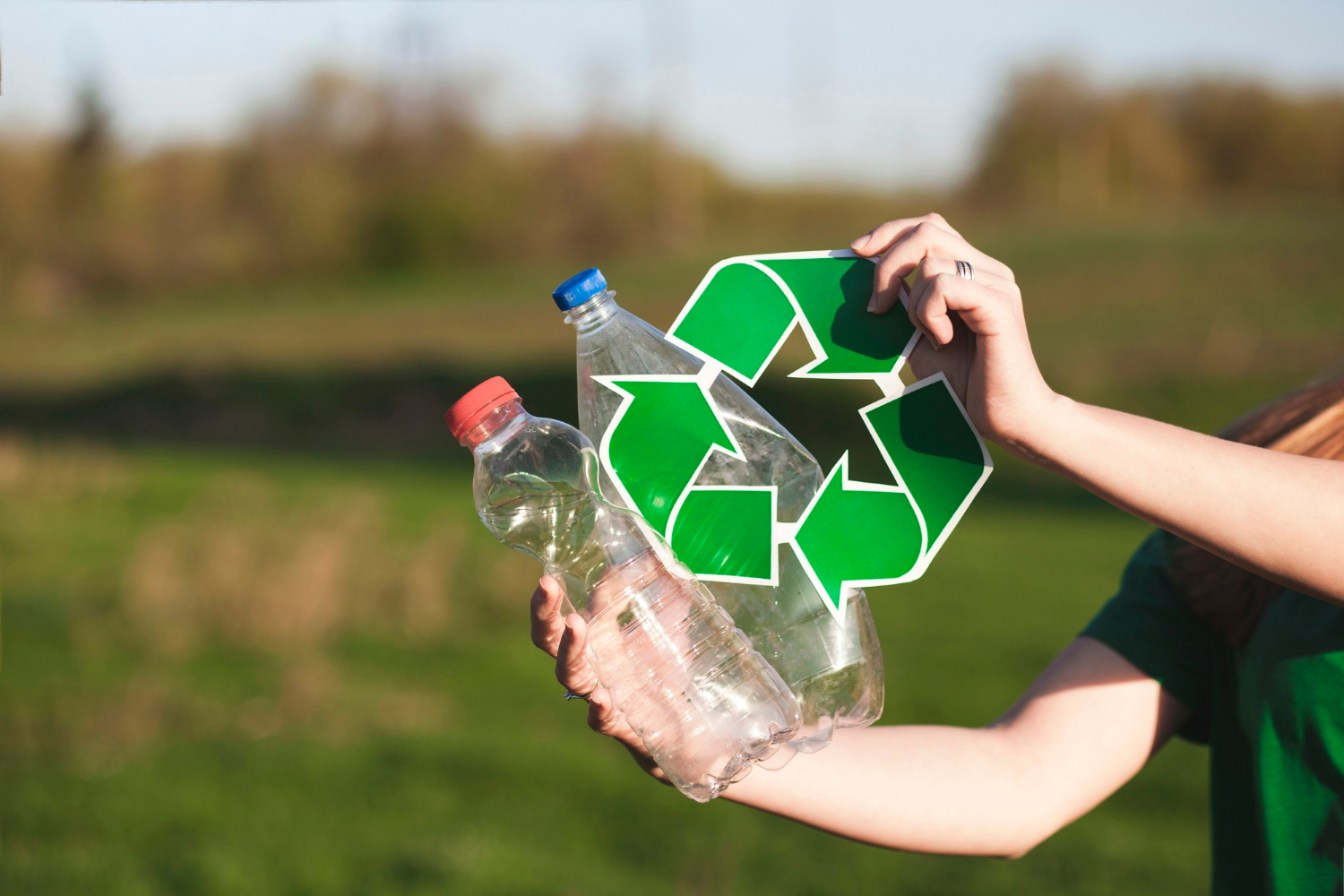
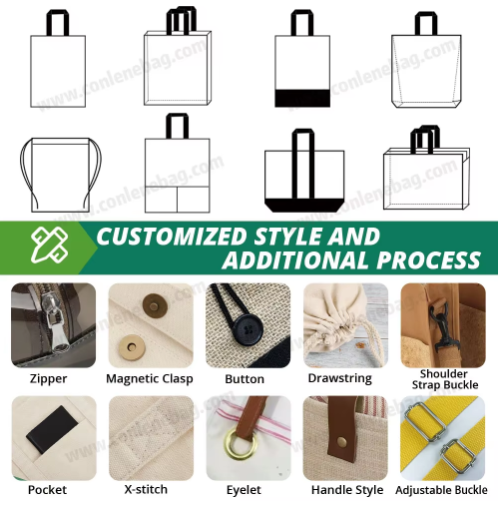
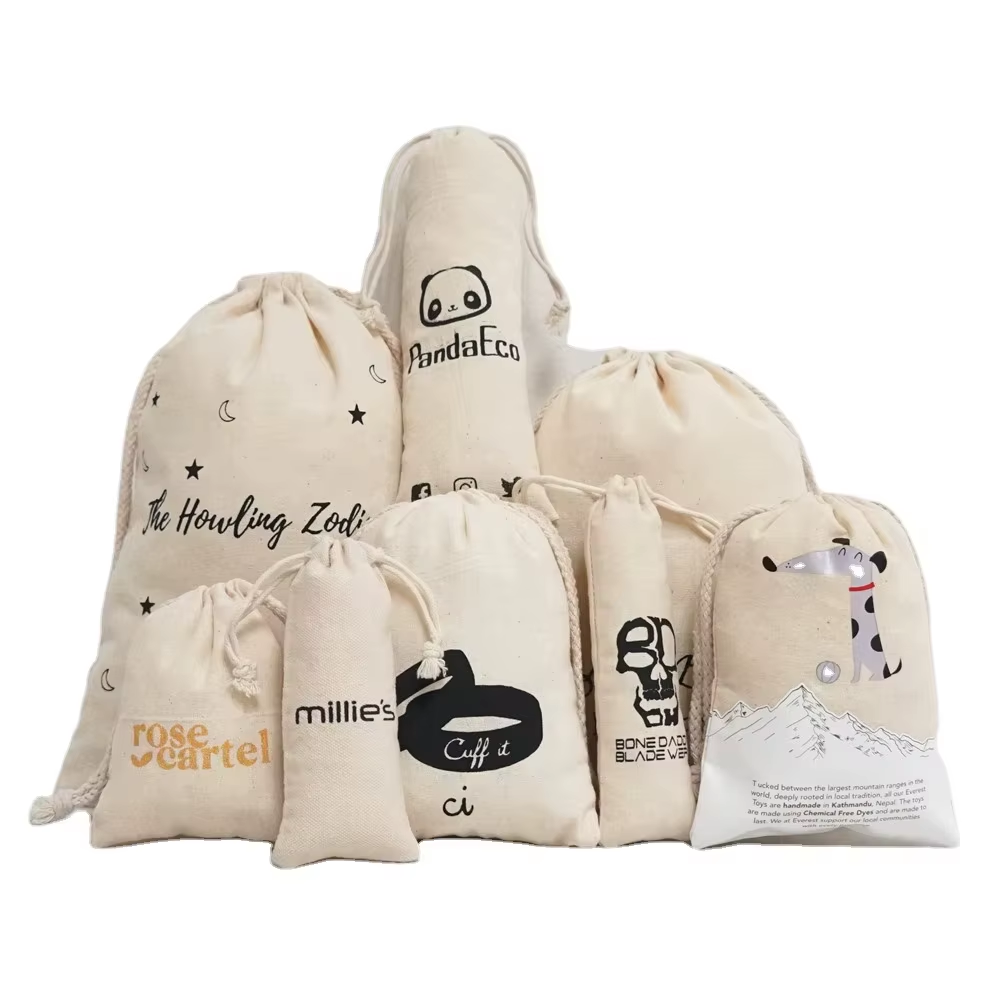
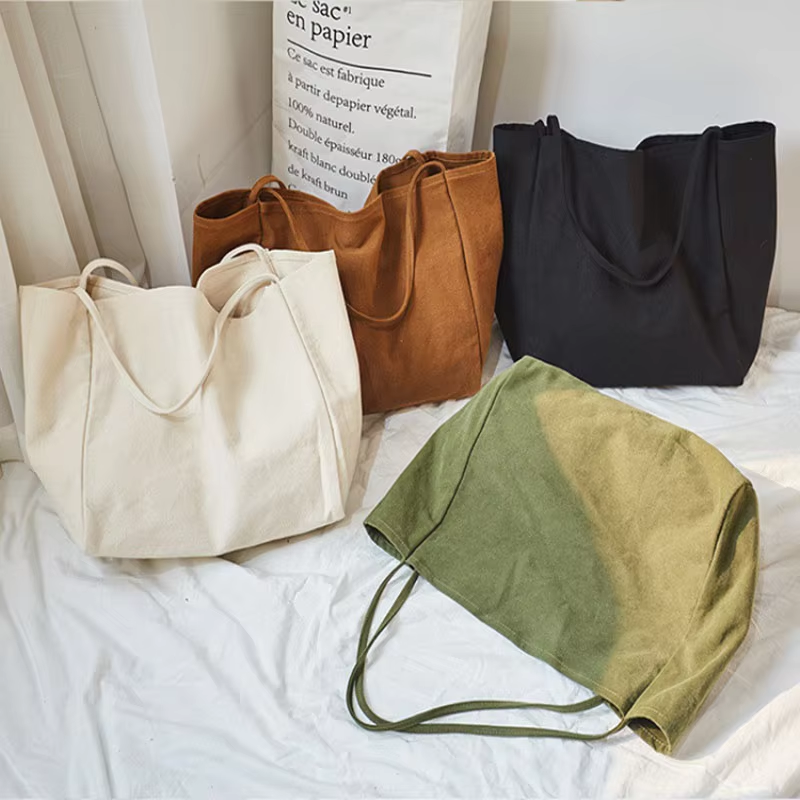
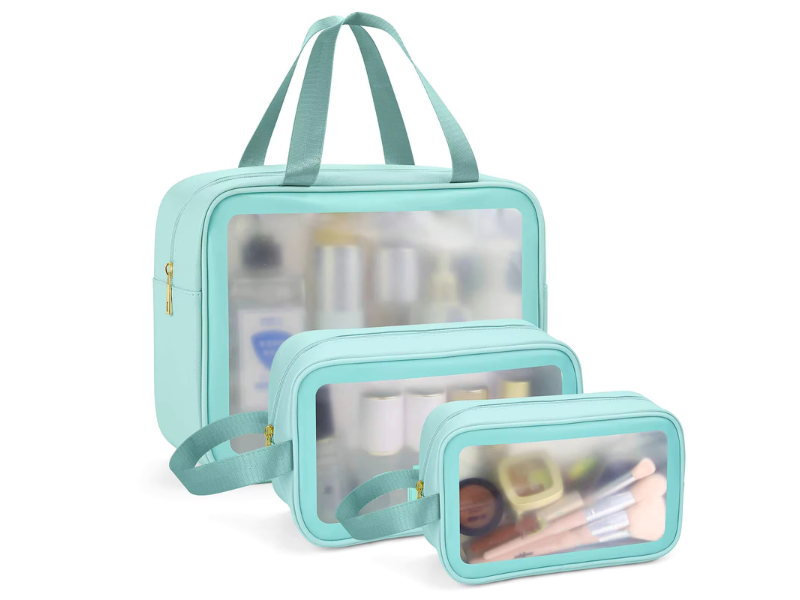
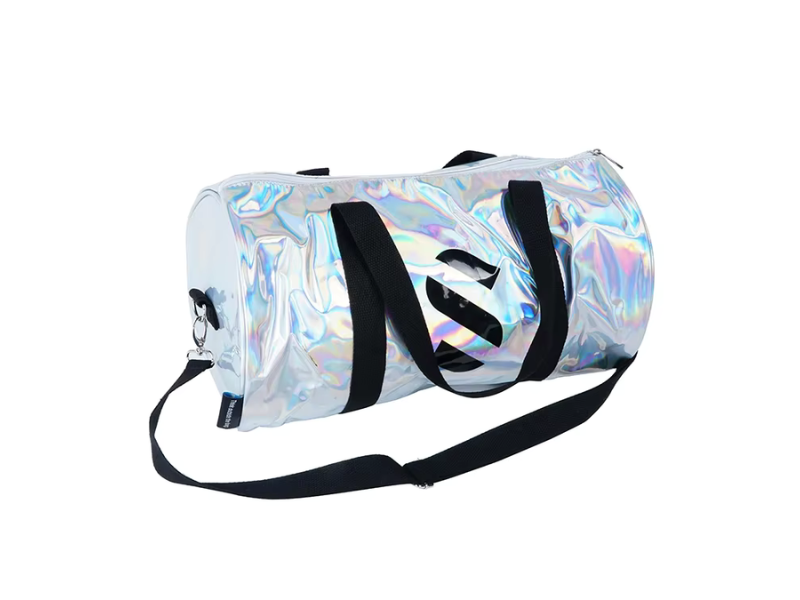
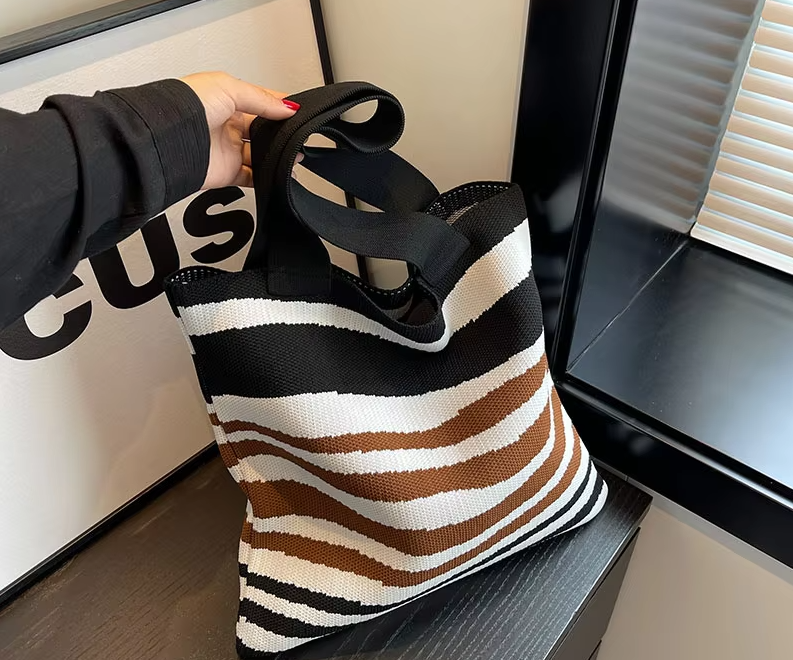
Have you ever seen a plastic bottle and thought about what it turns into after you put it into the recycling bin? Most people think the journey stops at the recycling bin. The truth is, the recycled bottle is about to go on a new journey. It is going to be transformed and turned into lots of new products, like an eco-friendly, fashionable, and durable tote bag! The process of how plastic bottles are turned into new products is known as RPET fabric. The journey of a recycling plastic bottle from waste to a new product is very powerful. It shows the importance of recycling, as well as, why businesses wanting to make a difference need to choose an rpet bag supplier.
Collection and Sorting
The journey for making RPET bags actually starts at recycling centers. There, millions of plastic bottles that are made of PET (the plastic used to make water and soda bottles) are collected to be recycled into other products. However, before PET bottles get recycled, they first have to be sorted. PET bottles are made in a variety of colors and must be sorted so that they are recycled into products made from single colors of plastic. There are clear, green, blue and brown PET bottles, and each plastic color is recycled into a different product. In addition, PET bottle caps and labels are made from different plastics and must be removed and sorted as well. These tedious tasks set the stage for creating a high-quality, recycled product.
Cleaning and Shredding
After they have been sorted, the PET bottles must go through a thorough washing to ensure that they are free from any remaining liquid, dirt, or sticky labels. After the washing, the PET bottles are transferred to a large mechanical shredder that will chop them into small flakes (the size of a fingernail). Shredded PET flakes will serve as the raw material to make the new fabric. These flakes may look like a small pile of colorful confetti, but they will be used to create a new and useful product.
Melting and Extrusion
The real process starts here; those plastic flakes undergo high heat, which turn them into a thick liquid. The liquid plastic gets pumped in a machine that works like an advanced version of a meat grinder, but instead of meat, it extrudes long plastic fibers. Those fibers are cooled and solidified in a process known as cooling and solidification. The process of turning shredded flakes of a bottle into thin plastic fibers is known as extrusion.
Creating the Yarn
The new plastic fibers still need more processing. They are stretched to realign the molecules and to make the strands stronger. In order to make the future fabric feel soft, the fibers are crimped and spun together to make a sturdy thread. The thread is yarn, and in this case, it is made from recycled plastic as opposed to a natural source like cotton or wool.
Making The Fabric
The RPET yarn can now be transformed into RPET fabric. Based on which type of end product will be made, the yarn will either be woven or knitted. Weaving means yarns are interlaced at right angles, which forms a sturdy, stable, and structured fabric, good for strong tote bags. Knitted fabric is more flexible and stretchier. For an everyday tote shopping bag, woven fabric is usually the best option. This is done on big looms or knitting machinery, and then the yarn is converted into large widths of RPET fabric, awaiting cutting and sewing.
Cutting, Sewing, and Finishing Steps
The last step involves turning rolls of RPET fabric into bags by sending them to the cutting and sewing department. Here, either automated machines or skilled workers follow a pattern to cut the fabric, which is then sewn, handles are affixed, and the last additions, such as tags or labels, are attached. The fabric then becomes a brand new tote bag. Most of the materials would have otherwise finished their useful lives and ended up in a landfill or an ocean. This is the point when a once-discarded bottle begins its new life as a useful, eco-friendly product.
Components of a Quality RPET Bag
RPET bags are manufactured through several clearly defined steps. The finer points of each step are responsible for the quality of the finished product. Did they do a thorough job in cleaning the raw materials? Did they do a good job on sorting? Is the consistency of the fibre up to standard? That is exactly why we are so selective with our manufacturing partners. Suppliers like Conlene allow us to guarantee quality at each step of the RPET manufacture process due to their commitment to quality at all levels of manufacturing as well as their 20 years of experience. Conlene also understands the importance of maintaining full quality assurance throughout the entire production process – from raw materials to production to testing of finished goods. They hold numerous certifications, with ISO 9001 (Quality Management) and ISO 14001 (Environmental Management) being some of the most notable. This is why, with Conlene, you are not just buying a bag, you are buying a process. A process that is quality driven, sustainable, and transparent.
Transforming Products
When imagining a new product, creating a backstory gives it special meaning. An RPET tote bag is a bag. But it is also a story. It tells your customers that you are caring for the future of earth. It advocates for the worthy cause of resource activism. It tells the story of the beauty of decorative and useful waste. It advocates for the RPET movement, and, in doing so, motivates people to use the bag to extend the life of a promotional item and turn it into a trophy of advocacy for a good cause. It also tells the story of your brand's good values of advocacy for responsible and useful waste. It is a story that is also worth telling.