 EN
EN

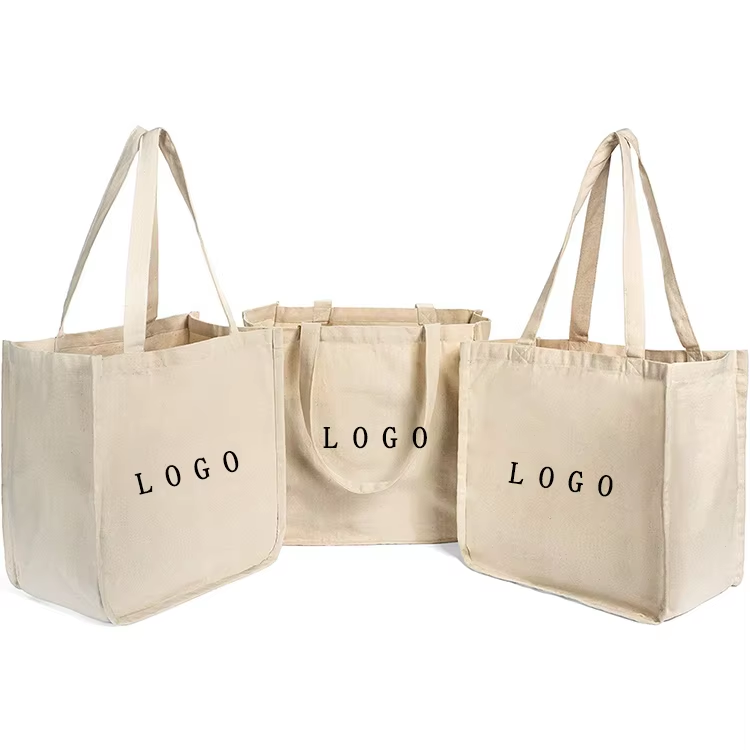
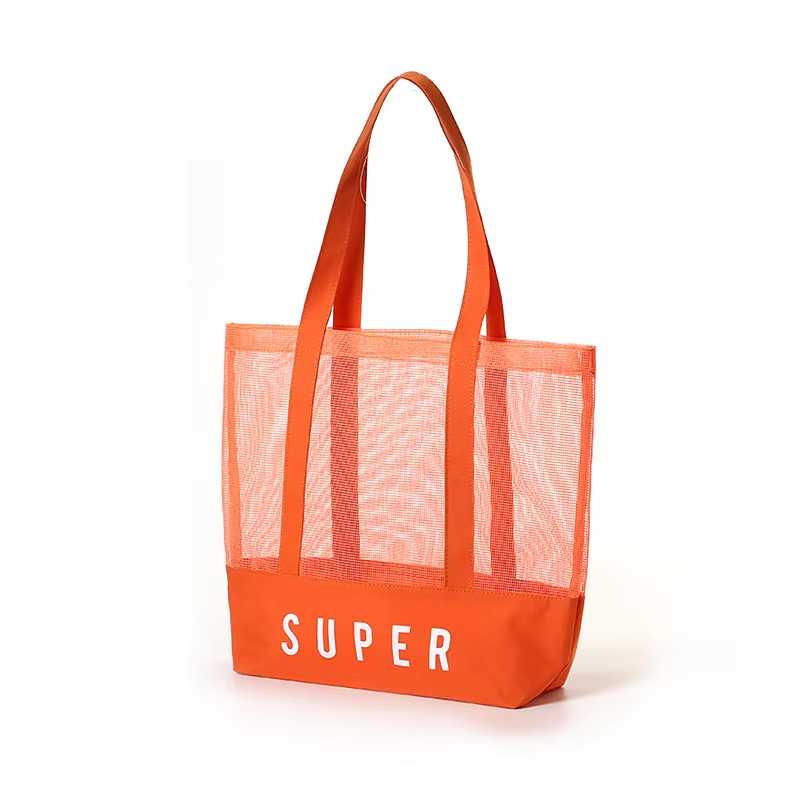
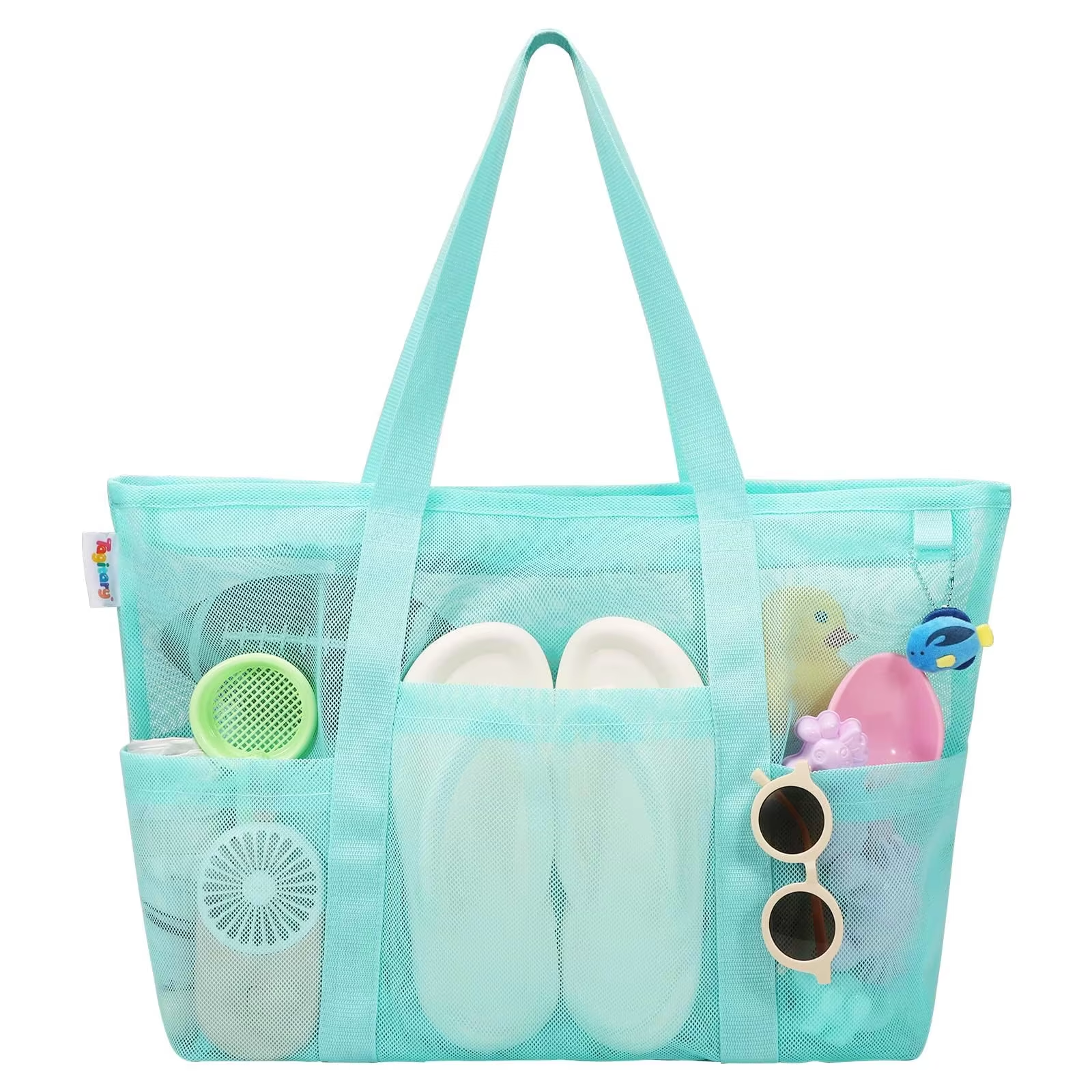
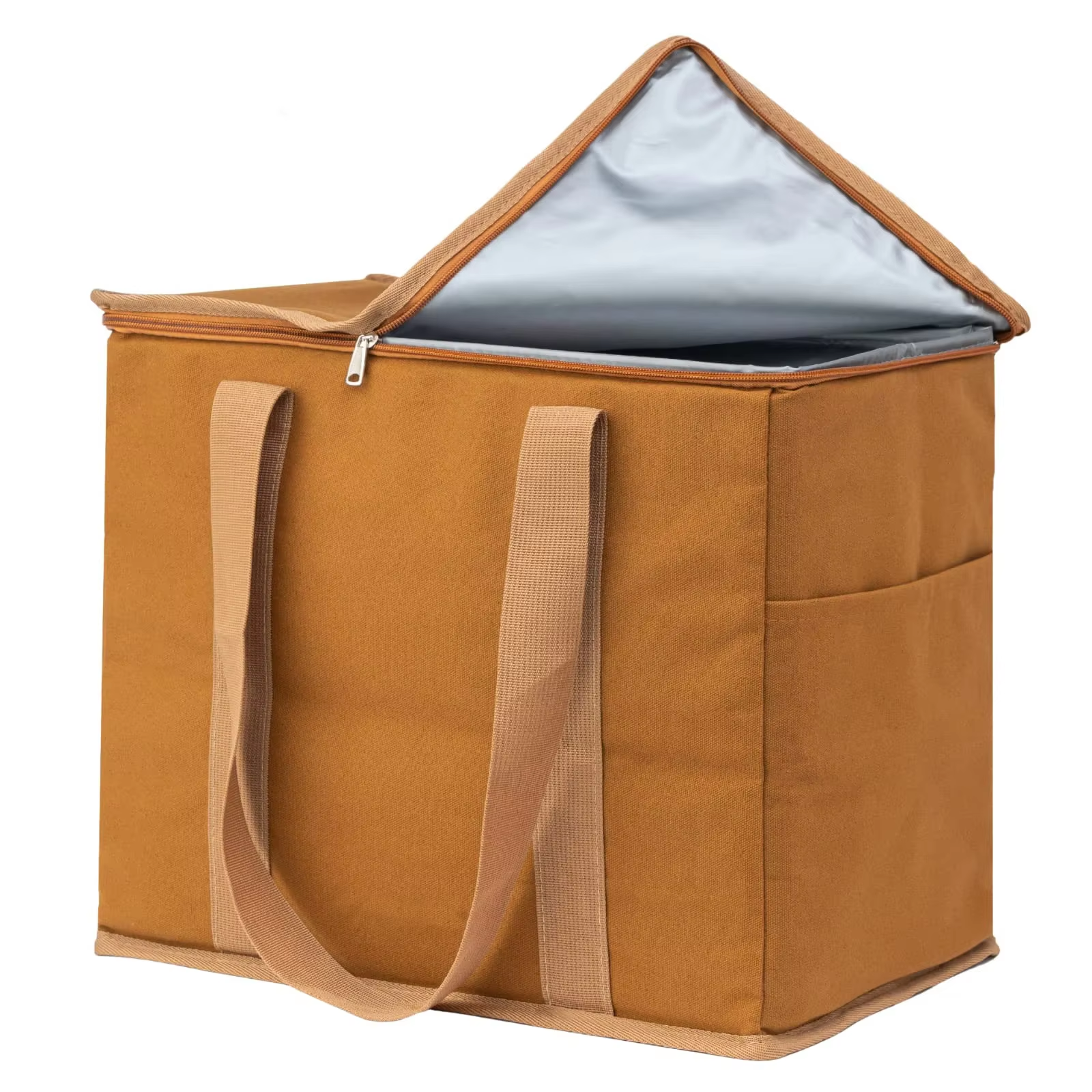
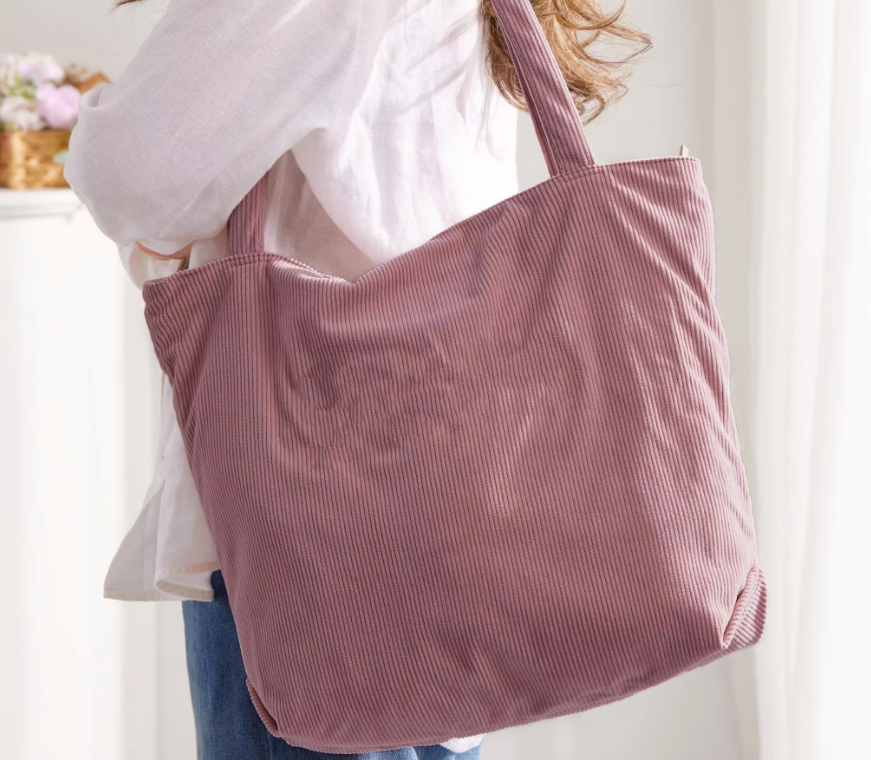
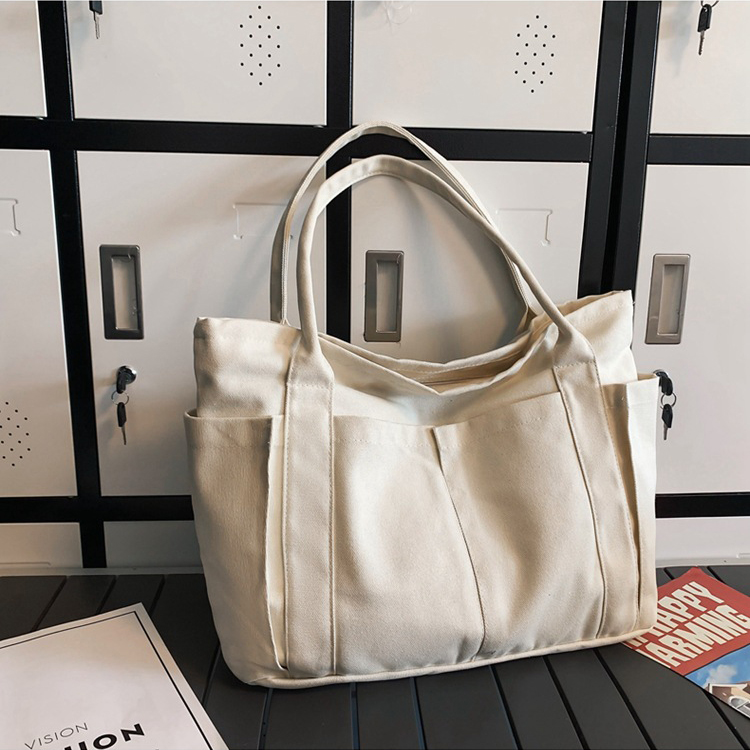
Sewing is where a tote bag passes or fails, and it is the part of the spec buyers most often skip. Fabric weight is on the datasheet, but seam construction — stitches per inch, thread tex, seam type, bar tacks, pull-test thresholds — is usually just "heavy duty stitching" until a batch fails at the retail shelf. This article walks through a tote bag the way a QC inspector reads one, from stitch count to handle pull-test, so you can put numbers into your specification instead of adjectives.
Reading a stitch specification like an inspector
A complete stitch spec has six fields: stitch type (the ISO 4915 code), stitches per inch (SPI), thread tex for needle and bobbin, needle size, seam type, and reinforcement points. When an inspector opens a bag at an AQL 2.5 general inspection, those six fields are what get verified against the approved golden sample — not whether the bag "looks well made." Write them into your spec and the factory, the QC team and any third-party inspector are all checking the same thing. Miss them out and you are relying on whoever is on the line that day.
Stitches per inch: what the number controls
SPI is the density of lockstitch along the seam, and it is a balancing act. Too few stitches and the seam gapes and unravels; too many and the needle holes perforate the fabric, which actually weakens it and lets water through. The right figure tracks fabric weight: light non-woven and 4 oz canvas take 10–12 SPI; standard 6–8 oz canvas runs 8–10 SPI; heavy 10–12 oz canvas drops to 6–8 SPI with a heavier thread so each stitch carries more load. Tension balance matters as much as count — needle thread and bobbin thread should interlock in the middle of the fabric thickness; if the interlock rides to one surface, the seam is unbalanced and will pucker or pop under load. A quick field check: the seam should lie flat when folded, and the stitch pattern should look identical on both faces.
| Fabric | Typical SPI | Thread (tex) | Needle size | Main use |
|---|---|---|---|---|
| Non-woven PP 70–120 GSM | 10–12 | 20–30 tex | 80/12 | Promotional totes |
| 4 oz canvas (~140 GSM) | 10–12 | 30–40 tex | 90/14 | Giveaways |
| 6–8 oz canvas (~200–270 GSM) | 8–10 | 40–60 tex | 100/16 | Retail totes |
| 10–12 oz canvas (~340–400 GSM) | 6–8 | 60–90 tex | 110/18–120/20 | Heavy-duty carriers |
Thread tex: matching thread, fabric and needle
Thread tex is the weight of the thread in grams per 1,000 metres — a 40 tex thread weighs 40 g per kilometre. The rule is to match thread to fabric: too light a thread breaks at the seam before the fabric does; too heavy a thread buries itself in the weave, looks lumpy, and forces a bigger needle that weakens the fabric. Standard commercial ranges: 20–30 tex for light non-woven and thin canvas, 40–60 tex for everyday retail totes, and 60–90 tex for heavy canvas and jute where seam strength must exceed fabric strength. Needle size follows thread — a 100/16 needle for 40–60 tex thread, moving up to 120/20 for the heaviest construction — because the needle must carry the thread without distorting the fabric or creating skips. Polyester core-spun thread is the default for outdoor and washable goods; cotton thread, cheaper and softer, rots and loses strength faster in wet environments.
Seam types: lockstitch, overlock, bound seams
Seam type decides how the raw fabric edges are handled, and it is a visible quality signal. A plain single-needle lockstitch (ISO 301) is the workhorse for joining panels, but raw edges on non-woven PP must be overlocked (ISO 504/505) — the serged stitch wraps the edge so the spunbond material cannot fray or delaminate. Canvas totes get two common upgrades: a bound seam, where cotton or polyester tape is folded over the raw edge and stitched through, protecting the edge and looking deliberate; and a double-needle lockstitch, two parallel rows of 301, which is the standard for handle attachment because it spreads load across two stitch lines. The top hem deserves its own line item: a 2.5–5 cm fold, stitched at both edges, is what keeps a canvas tote from rolling and tearing at the opening.
Bar tacks: where bags actually fail
Statistically, the handle-to-body joint fails first, and the bar tack is the reinforcement that prevents it. A bar tack is a dense zigzag stitch, typically 10–20 mm long and 2–3 mm wide, sewn through the handle strap and the body panel at the point of maximum stress. A defensible spec: 16–24 zigzag passes per tack, at the same thread tex as the main seams, positioned exactly on the handle edges where shear load concentrates. Watch two things at inspection: the tack must actually bite through both handle and body (a tack that floats on the surface is cosmetic), and it must be present on both faces of the bag — a single-sided tack hides until the handle pulls free. For extra heavy duty, cross-stitch the tack area in an X pattern before bartacking.
Handle pull-test thresholds
The pull test is the objective check on all that stitching. The bag is hung, loaded with a static weight for a defined period, and inspected for seam rupture, handle pull-out and deformation. Commercial thresholds vary by intended use, but these ranges are what reputable factories test to: promotional giveaways 15–20 kg, standard retail totes 25–30 kg, heavy-duty and grocery carriers 40 kg, all held for 2 minutes without the handle tearing or pulling out more than 5 mm from its seat.
| Tote class | Static load | Hold time | Pass condition |
|---|---|---|---|
| Promotional / giveaway | 15–20 kg | 2 min | No seam rupture, no handle pull-out |
| Retail standard | 25–30 kg | 2 min | No seam rupture, pull-out under 5 mm |
| Heavy-duty / grocery | 40 kg | 2 min | No deformation beyond 10 mm, no thread breakage |
| Licensed merchandise | Specified per licence holder | As agreed | Meets brand's own threshold |
Ask for the pull-test method in writing (weight, hold time, load point) and request a video or witnessed test on the pre-production sample. A factory that cannot document the test can still ship a bag that looks fine and fails on the customer's first heavy load.
Base reinforcement and stress points
The base is the second failure zone. A gusseted tote carries its load on the base panel, so the base-to-side seams need the same treatment as handles: double stitching, or a bound seam, plus bar tacks at the four corners where base, side and gusset meet. Some specs add a reinforcement patch — a 3–5 cm fabric or webbing layer sewn inside the base corners — which is cheap insurance on grocery and bulk-carry programmes. Corner stress points should be cross-stitched, and if the bag has a flat base insert or cardboard reinforcement, that goes in during construction, not afterwards, or the panel will buckle.
Building your acceptance checklist
Put it all together and a tote spec reads: 8–10 SPI lockstitch in 40–60 tex polyester thread on 6–8 oz canvas, bound side seams, 2.5–5 cm double-stitched top hem, 20 mm bar tacks at handle joints, 30 kg pull test for 2 minutes with under 5 mm pull-out, dimensional tolerance of ±1 cm against the golden sample, inspected at AQL 2.5 general level with 4-stage in-house QC from raw material through finished-goods testing. That is a spec an inspector can enforce and a factory can build repeatably. Wenzhou Conlene Bags Co., Ltd. produces totes to this documented construction standard across its daily capacity, and its QC team verifies SPI, tacks and pull tests on the pre-production sample before bulk runs. Start with the tote bag range to see standard constructions, or bring your own seam spec to the customization service and it will be checked for buildability before sampling. For pull-test criteria, AQL levels and sample-stage timelines, contact Conlene and the technical team will confirm the details in writing.