
 EN
EN

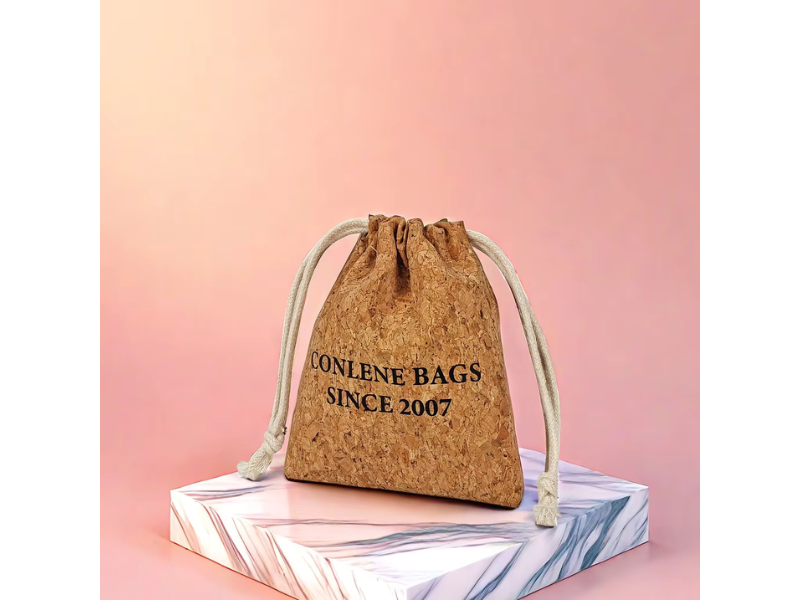
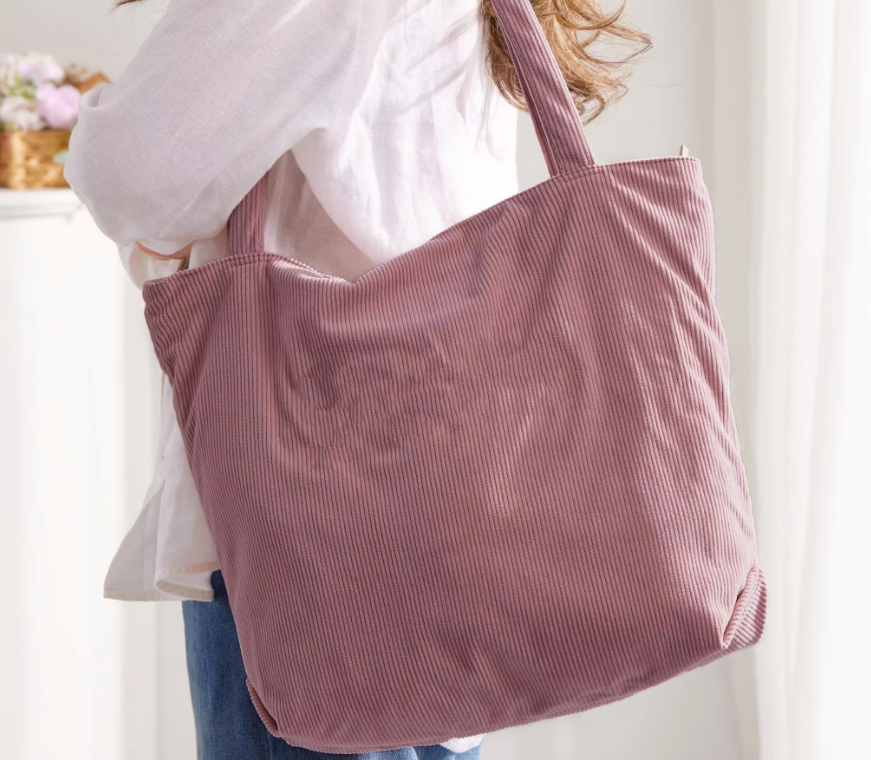
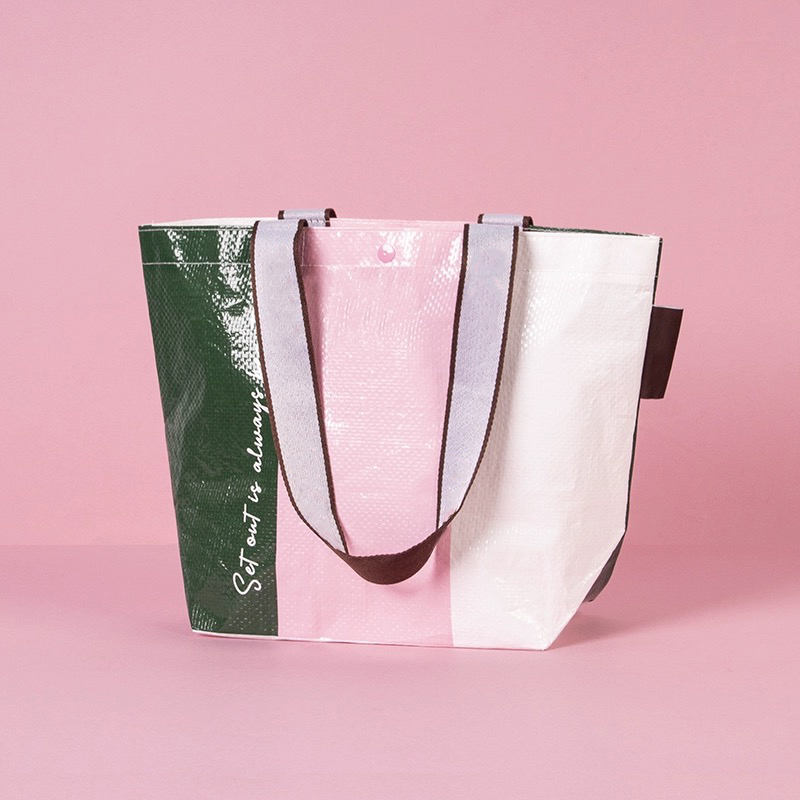
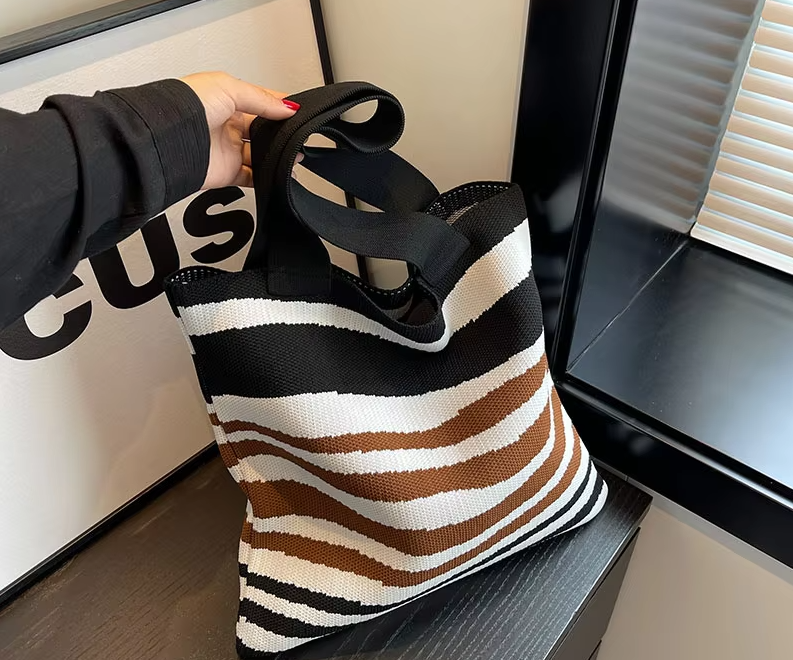
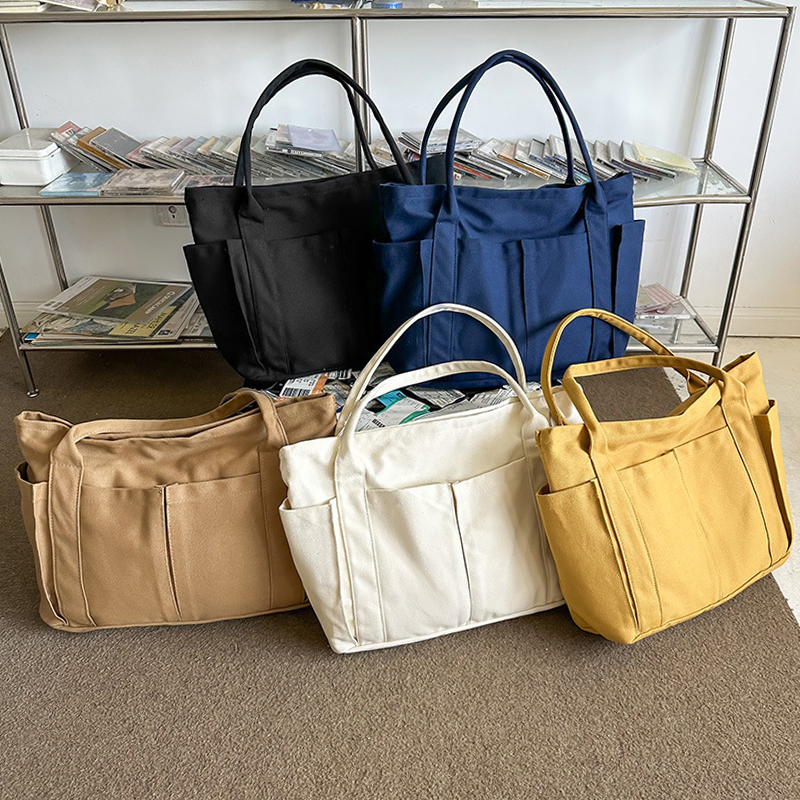
The complaints all sound similar: "the red bag bled onto my white shirt," "the black rubbed off on the car seat," "the navy faded after two weeks in the window." All three are colour fastness failures, and all three are predictable before production if the dye class, the dyeing route and the testing grades are written into the spec. This guide is a diagnosis manual for eco bags: it maps each symptom to its root cause in the dyeing chemistry, explains the test methods and grey-scale grading, and walks through the lab dip workflow that prevents colour disputes before bulk.
Diagnose the symptom first
| Symptom | Likely root cause | Dye class involved |
|---|---|---|
| Colour bleeds in first wash | Unfixed dye not washed off after dyeing | Reactive (cotton), sulphur (deep shades) |
| Colour rubs off on light surfaces | Surface pigment with weak binder | Pigment dyeing / pigment print |
| Colour fades in sunlight | Low light fastness in the dye selection | Pigment, some sulphur shades |
| Shade drifts between batches | Natural fibre variability and lot-to-lot dyeing | All classes on cotton canvas |
| Colour changes after a few washes | Dye-fibre bond too weak for the wash programme | Direct dyes (rare in quality bags) |
The pattern is worth noticing: a single bag can fail all of these at once if the wrong dye route was chosen. The fix starts with the dye class, which is decided at the fabric stage, not at the finished-goods stage.
Dye classes: reactive, pigment, sulphur
Cotton canvas — the default eco bag substrate — takes three main dye routes, and they differ sharply in fastness and cost. Reactive dyeing builds a covalent bond between dye molecule and cellulose fibre; it is the reference standard for wash fastness and crocking on cotton, needs salt, alkali and heat to fix, and then must be thoroughly washed to strip unfixed dye — the washing step is where quality is won or lost. Pigment dyeing lays colour particles on the fibre surface with a binder resin; it is cheaper, softer and great for subtle heather effects, but the colour sits on the surface, which makes crocking and fading the inherent weak points. Sulphur dyeing is the economical route for deep, saturated shades — blacks, navies, olives — on cellulosics, with good wash fastness after proper oxidation and washing, but only moderate light fastness that erodes further in pale or diluted shades.
| Dye class | Fibre | Wash fastness | Light fastness | Crocking | Relative cost |
|---|---|---|---|---|---|
| Reactive | Cotton, linen, viscose | High (4–5 grey scale) | Medium–high (4–6) | Good after washing off | Highest of the three |
| Pigment | Cotton, most fabrics | Low–medium (2.5–4) | Low–medium (3–4) | Weak; binder-dependent | Lowest |
| Sulphur | Cellulosics, deep shades | Medium–high (3.5–4.5) | Low–medium (3–4.5) | Better than pigment | Low |
Crocking: dry and wet rubbing
Crocking measures colour transfer by rubbing — the red bag against the white shirt. The test (ISO 105-X12 or AATCC 8) rubs a white cloth against the fabric, dry and wet, with a fixed pressure over ten back-and-forth passes, then grades the transferred colour on the grey scale. Wet crocking is the harder test, because water mobilises loosely bound dye or pigment. Commercial minimums for garment goods are dry grade 4 and wet grade 3–3.5; for eco bags that sit against clothes on a shoulder, buyers should hold dry 4 and wet 3 minimum, and push to wet 3.5 for light-coloured bags where transfer is more visible. Dark reactive shades are the usual wet-crocking offenders — demand the test result on your actual shade, not the colour card.
Wash fastness and grey-scale grading
Wash fastness (ISO 105-C06) runs the fabric through a programmed wash — typically 40 °C for 30 minutes with standard detergent and steel balls — and grades two things: the change in the tested fabric and the staining of an adjacent white cloth. Both are read against the grey scale, the universal 1–5 ladder where 5 is "no change" and 1 is "severe change." A commercially safe spec for eco bags: minimum 4 for colour change, minimum 3–4 for staining of adjacent fabrics, tested on the actual bag construction — the 3–4 range on staining because a dark bag will always bleed trace colour into white cloth in a wash load. Grey-scale grade 4 is a visible-but-acceptable difference; grade 4–5 is the safe zone for retail programmes. One structural warning for buyers: dyed canvas that is also printed carries two risks, and the wash test must be run on the printed bag, not the plain fabric, because the print adds its own pigment that can crock independently.
Light fastness: fading in the shop window
Light fastness (ISO 105-B02) exposes the fabric to a xenon-arc lamp that simulates daylight, then grades 1–8, where 8 is the most resistant. Retail goods should hold grade 4 minimum; anything displayed near glass — storefronts, window displays, outdoor events — should be specified at 5 or better, and that is where reactive dyes on cotton pull ahead of pigment and many sulphur shades. Light fastness is shade-specific, not just dye-class-specific: pale and pastel shades fail faster than the same dye class in full depth, because there is less dye mass to absorb the UV before visible change. If the programme lives outdoors, the honest move is to spec light fastness 5, test the actual shade, and accept a small palette limitation rather than promise an unfadeable bag.
Lab dip approval workflow
The lab dip is the colour-approval step that prevents most shade disputes, and it has a fixed order: fabric and colour reference are submitted; the mill dyes 2–3 lab dips of the target shade at slightly different depths — conventionally a nominal shade plus one slightly deeper and one slightly lighter; the buyer approves one dip, or the mill re-dips within a stated tolerance. The working tolerance in the trade is about ΔE 1.5–2 against the approved dip, measured with a spectrophotometer under D65 daylight. Three practical rules: approve under the same lighting the goods will be seen in (retail fluorescent vs daylight changes how canvas reads); keep the approved dip physically, because a scan loses the colour story; and require a lab dip on the production fabric lot — a dip on a different weave or weight will mislead. Conlene runs its lab dip and bulk-lot shade approval through its 4-stage QC, and every bulk lot is checked against the approved dip before cutting begins.
Why natural fibre shades shift batch to batch
Cotton is a crop, and every harvest changes the dye bath slightly. Fibre maturity, region, kier-bleaching consistency, water hardness and pH drift in the dye bath all move the final shade — a lot-to-lot difference of ΔE 1.5–2 is normal and should be treated as the expected range, not a defect. The practical consequences for buyers: order colour-critical programmes in fewer, larger batches or accept a tolerance band; keep a reserve of dyed fabric from the approved lot for reorders; and build the tolerance into the contract so a ΔE 1.8 lot is a pass, not a claim. The same logic applies to the print: screen inks are matched per batch, so specify the tolerance, keep the approved swatch, and avoid mixing old and new stock in one retail window.
What to demand in your specification
Put the numbers in the PO: wash fastness grey scale 4 minimum for colour change and 3–4 for staining, dry crocking 4 and wet 3–3.5, light fastness 4 minimum (5 for sun-exposed programmes), dye lots held within ΔE 1.5–2 of the approved lab dip, and testing on the finished printed bag, not the plain fabric. Add the compliance layer — AZO-free, non-toxic colourants in line with EU orientation — and the spec is enforceable at any third-party inspection. Wenzhou Conlene Bags Co., Ltd. dyes and prints cotton canvas in-house and ships every programme with the fastness grades verified at the finished-goods stage, so the numbers on your PO are the numbers on the test report. Review the canvas bag range for dyed-fabric options, then send your shade targets and use case to the customization service for a lab dip schedule. For fastness grades, lab dip timelines and test documentation, contact Conlene and the quality team will confirm the testing programme in writing.