
 EN
EN

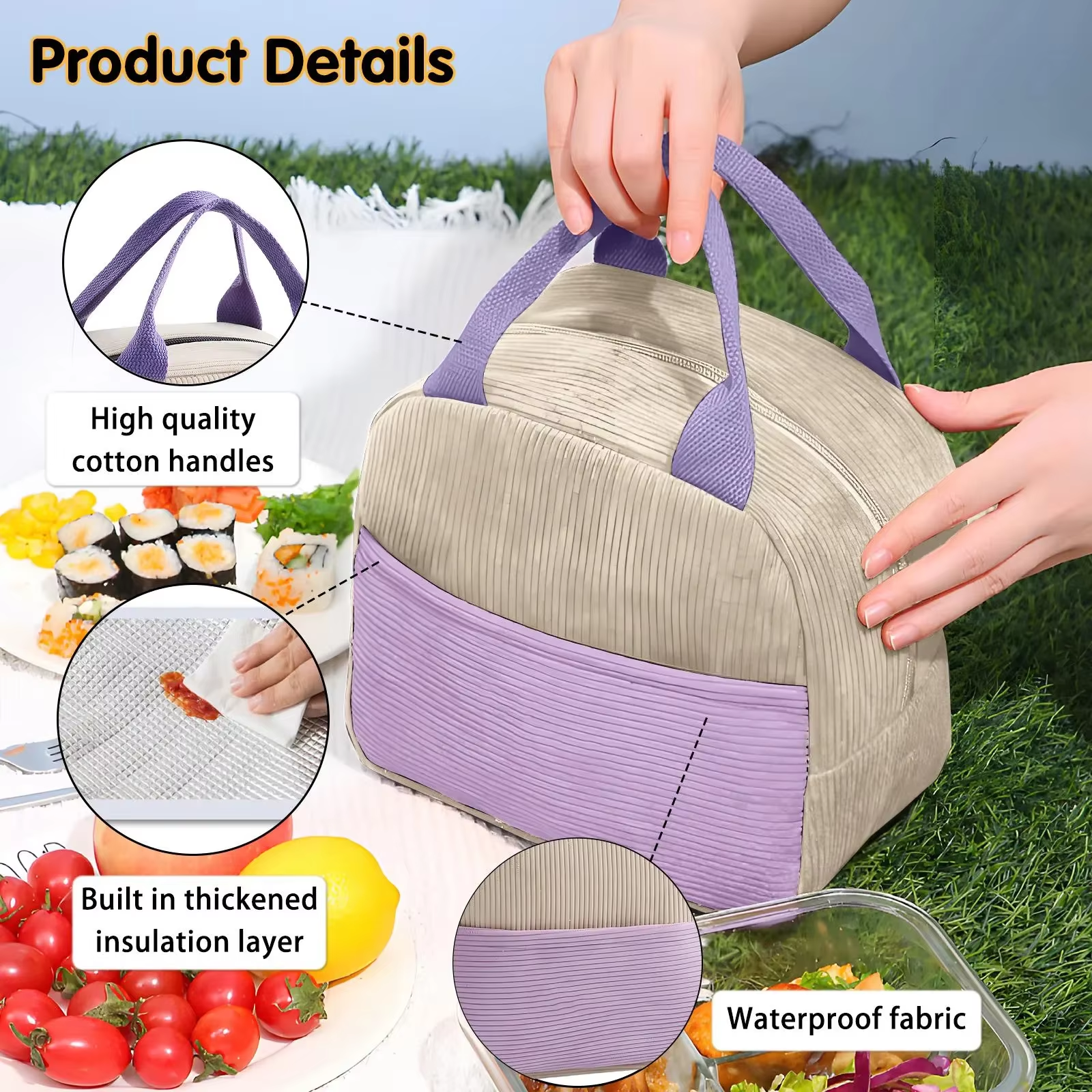
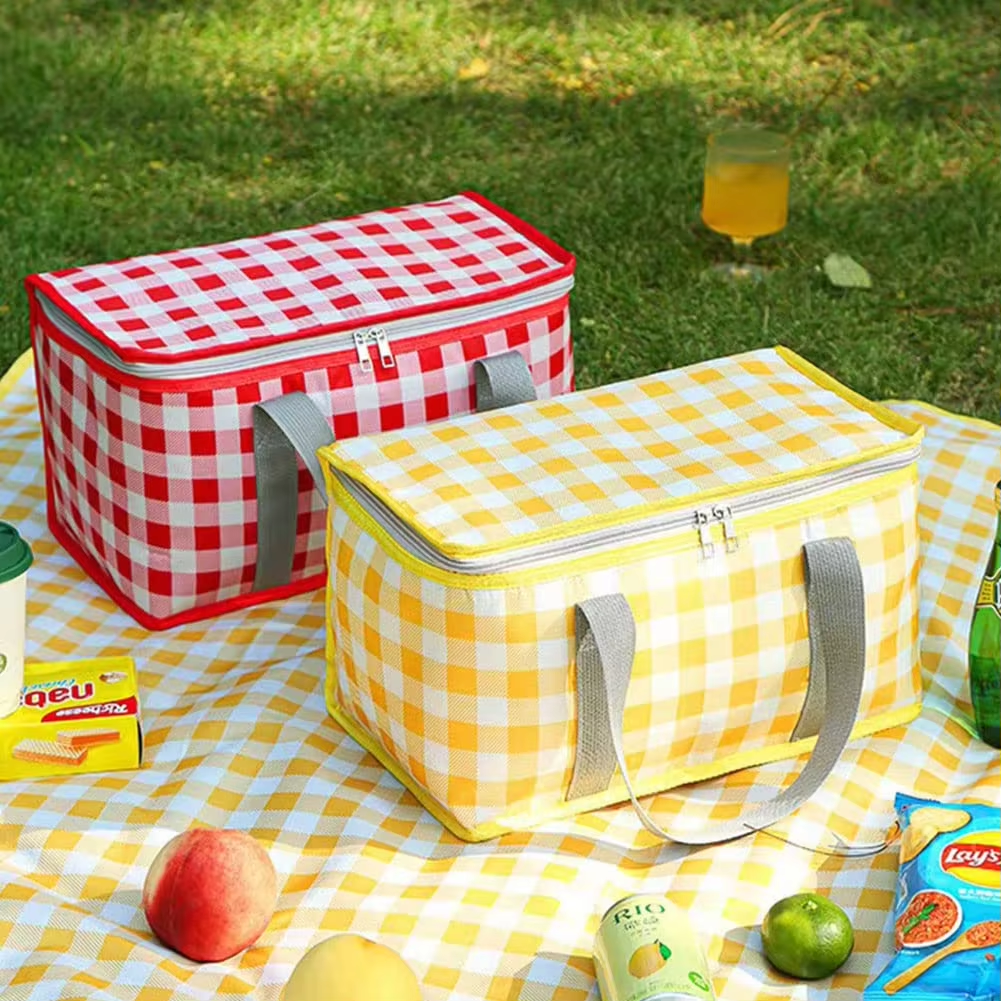
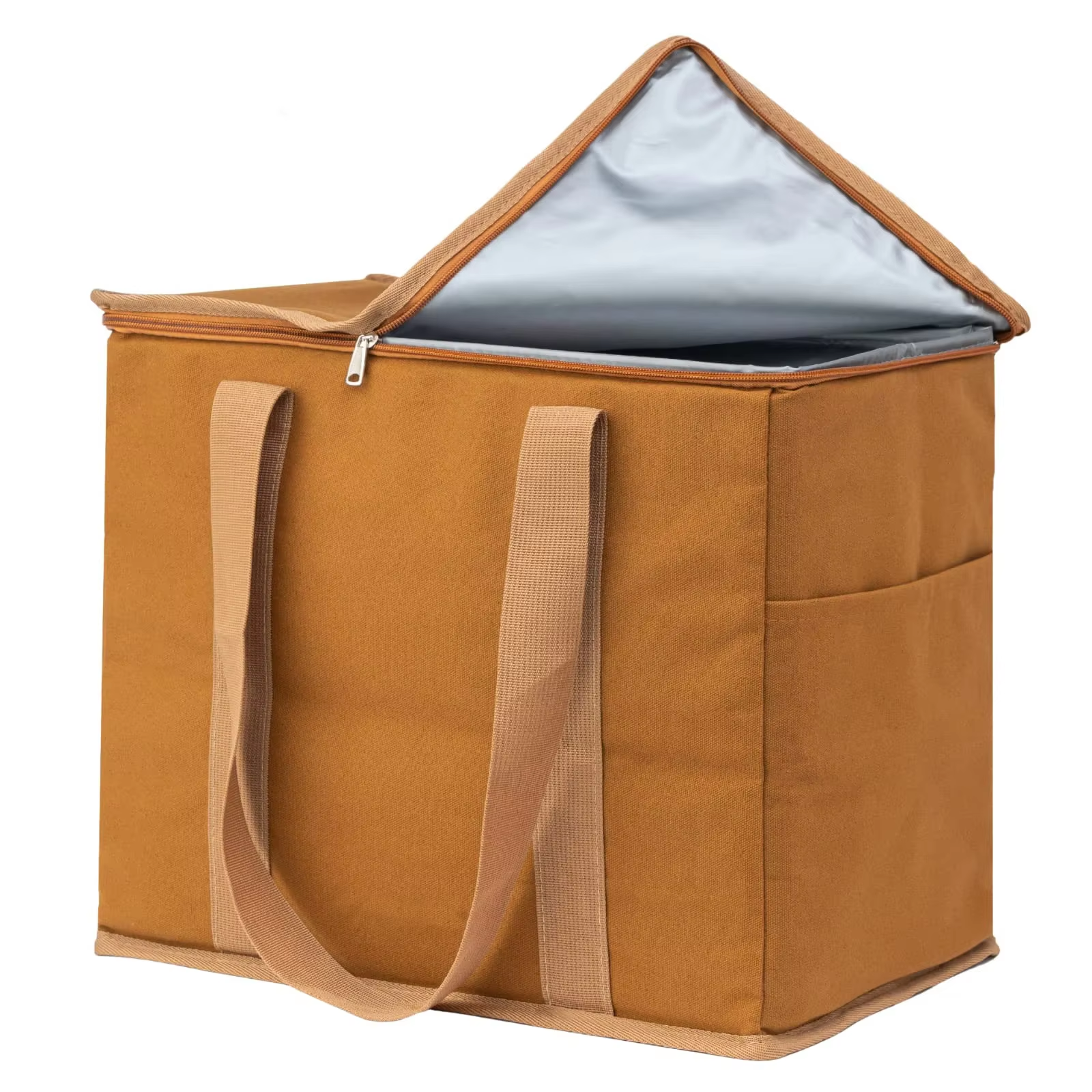

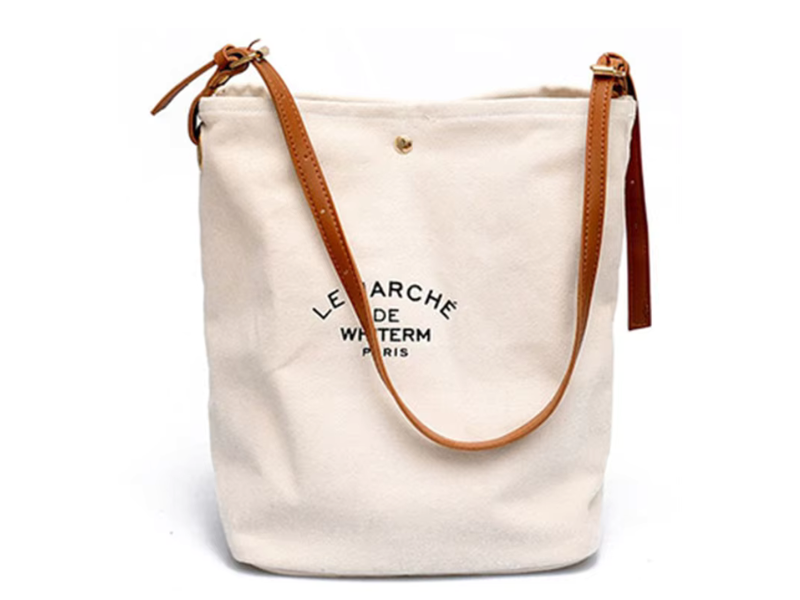
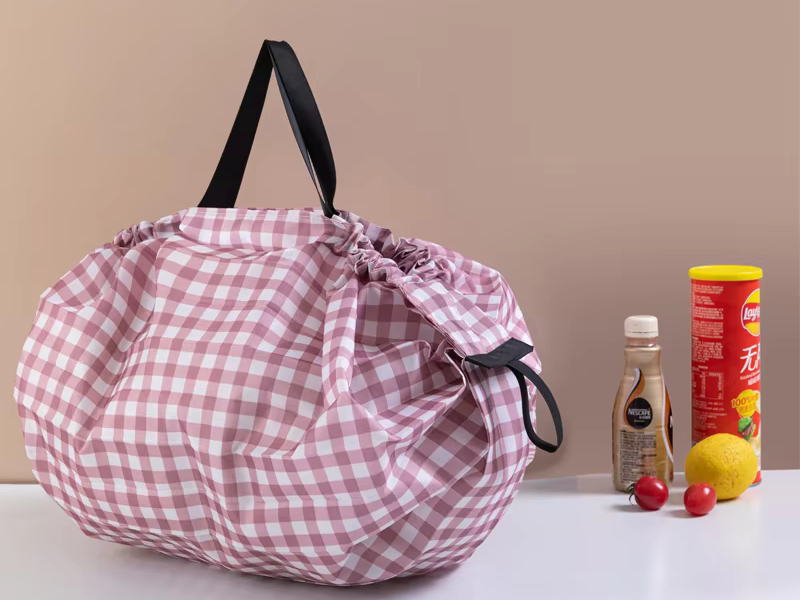

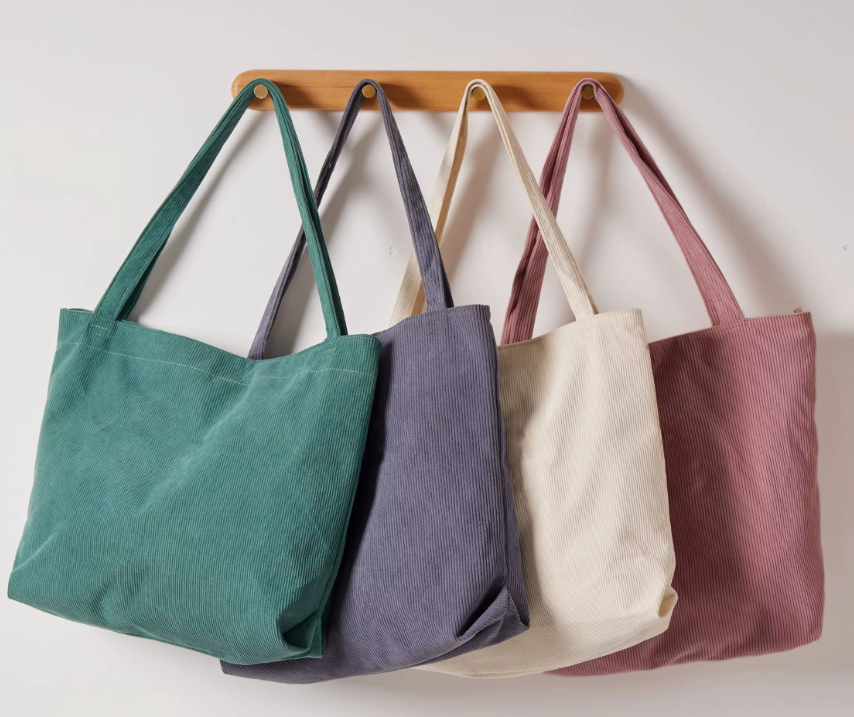
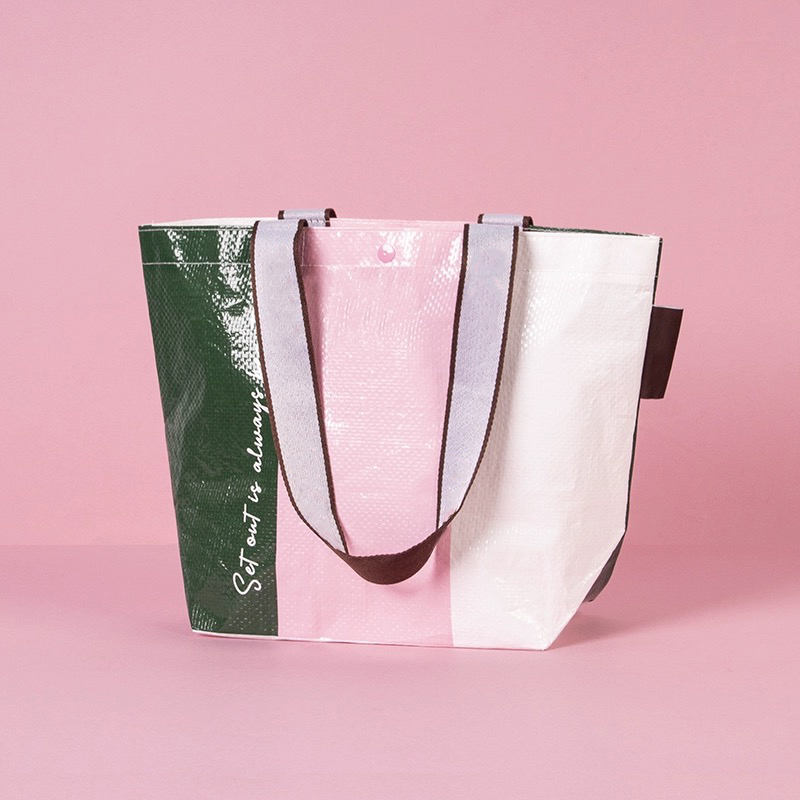
Both bags are polypropylene. Both get called "reusable". And both are regularly oversold. The non-woven spunbond tote and the woven-tape PP bag are engineered for entirely different cost-per-carry maths, and picking the wrong one for your market usually means paying for durability you don't need or losing a reorder to a competitor whose bag lasted longer than yours. The deciding variables are GSM economics, realistic reuse cycles, lamination strategy and — increasingly — how the bag reads under single-use-plastic rules in the markets you sell into.
One polymer, two radically different fabrics
Non-woven PP (spunbond) is made by melting polypropylene granules and laying continuous filaments onto a belt, then bonding them with heat and pressure — the result is a fabric-like sheet with no weave. Woven PP starts with flat tape yarns, slit from extruded film and drawn for strength, then woven on a loom into a traditional open fabric. Same feedstock, opposite structure: non-woven is soft and drapes like paper; woven is stiff, slippery and enormously strong for its weight. Promotional totes in spunbond typically run 70–120 GSM; woven shopping bags typically run 65–100 GSM of cloth but feel far tougher because the tape yarns carry load efficiently. The difference is visible in the hand: a 100 GSM spunbond sheet feels like stiffened paper, its filaments bonded at the crossing points, while woven PP has visible gaps between tapes that close up and stiffen when the fabric is stretched diagonally — the same mechanism that lets a woven bag carry weight efficiently while a spunbond bag of equal mass simply stretches.
GSM economics: what you are actually paying for
GSM buys different things in each fabric. In non-woven, more GSM buys stiffness and print surface; a 100 GSM spunbond tote stands up better and prints more solidly than a 70 GSM one, and the cost step between tiers is visible. In woven PP, GSM is a weaker predictor of performance because the same 80 GSM cloth can be woven loosely or tightly, and the tape yarn quality and weave density matter more than the number. When comparing quotes, compare the construction specification — tape denier, picks per inch, lamination — not just the GSM figure. A useful frame for the economics: divide unit cost by the reuse-cycle target to get cost per carry. A 70 GSM spunbond tote at two-thirds the price of a 100 GSM woven bag is actually the more expensive bag if the programme expects 100 uses — the woven bag outlasts it by a factor of 5–10. That arithmetic is the whole argument for defining end use before requesting samples; the cheapest quote only wins when the bag is genuinely disposable.
| Fabric | Typical GSM | Realistic reuse cycles | Failure mode | Typical use |
|---|---|---|---|---|
| Non-woven spunbond 70 GSM | ~70 | 10–20 light carries | Edge fray, handle tear at joint | Trade-show and quick-service giveaways |
| Non-woven spunbond 100–120 GSM | 100–120 | 30–50 carries | Corner splitting, print cracking | Retail and mid-tier promo programmes |
| Woven PP 65–80 GSM | 65–80 | 100–300+ carries | Tape yarn fraying at cut edges | Grocery carriers, heavy shopping |
| Woven PP 80–100 GSM, laminated | 80–100 | 200–400+ carries | Lamination peeling at creases | Premium retail carriers, cold-chain bags |
Reuse cycles and realistic failure modes
The honest reuse story: a 70 GSM spunbond tote is a 10–20-use bag, and pretending otherwise sets up a complaint when the handle pulls out of a thin body. A 100–120 GSM spunbond survives 30–50 uses if the handles are bar-tacked (an 8–12 mm tack at each joint is standard) and the load stays under about 5 kg. Woven PP is in another class: a properly sewn woven tote with webbing handles and reinforced seams handles 15–20 kg loads and survives hundreds of cycles, which is why it is the default for grocery chains that issue bags to be reused weekly for a year or more. For cost-per-carry, a 100 GSM woven bag at a modestly higher unit cost routinely beats a 70 GSM spunbond bag at half the price once you divide by 15× the usable life.
Lamination and print trade-offs
Lamination changes both bags. A laminated non-woven bag (PE or PP coating) gains water resistance and a crisper print surface, but lamination adds weight, raises cost, and slightly reduces the bag's recyclability. Woven PP is usually laminated on the inside to make it waterproof and easier to clean — essential for grocery and food-adjacent programmes — and the coating lets screen printing sit flat instead of sinking between the tape yarns. On un-laminated woven PP, screen ink bridges the open weave and fine detail is lost; bold two-colour logos are the safe zone. Heat-transfer and flexo are viable on both, but the smoothest print surfaces are laminated non-woven at 100 GSM+ or laminated woven PP.
Regulatory exposure in plastic-bag-ban markets
This is where the material choice stops being engineering and becomes compliance. Single-use-plastic measures across Europe, North America and parts of Asia increasingly distinguish between lightweight carrier bags (typically defined by wall thickness below 15–50 microns depending on jurisdiction) and thicker reusable bags, and some rules target non-woven PP totes specifically because their short life makes them effectively single-use. A 70 GSM spunbond tote can read as a single-use plastic in markets that define reusability by construction and durability criteria; a 100+ GSM bag with a stated reuse design, or a woven PP bag with a 2+ year expected life, fares far better in both regulation and consumer perception. Check the specific definition in each target market — bag wall thickness, handle construction and intended reuse are all parameters a national rule can reference. In practice, ask the supplier to state three fields in writing: fabric wall thickness, handle construction, and intended reuse design; those are the fields many national definitions of a "reusable bag" actually test, and having them documented turns a regulatory conversation into a paperwork exercise. Markets such as France, Italy and several US states run multi-layered rules — fees, thickness minimums and application-specific bans — so the definition can differ between a grocery checkout, a bakery counter and an e-commerce despatch.
Lamination and cost: two ways to spend the same budget
Facing a fixed budget per unit, buyers choose between a heavier unlaminated bag and a lighter laminated one. A 100 GSM unlaminated spunbond tote and an 80 GSM laminated version land at similar cost, but they behave differently: the laminated one prints better and shrugs off liquids, while the unlaminated one survives more folds and remains easier to recycle. The same trade-off repeats in woven PP. Decide the priority — print vibrancy, water resistance, or end-of-life story — before comparing prices, and state it in the brief so the factory quotes the right construction rather than the cheapest one that resembles it.
Decision matrix for your programme
Run your use case down this list:
-
Giveaway with a logo that must look good → 100–120 GSM laminated or unlaminated non-woven
-
Retail carrier that must survive a season of shopping → 80–100 GSM woven PP, unlaminated unless food contact demands a coating
-
Grocery programme in a ban-regulated market → woven PP with documented reuse intent and heavy bar-tacked handles
-
Budget promotion where the bag is a throwaway → 70 GSM non-woven and accept the short life
Wenzhou Conlene Bags builds both constructions in-house, so a mixed programme can share one QC flow and one logistics timeline rather than two supplier relationships. Browse the non-woven bag range and the woven bag range to compare constructions, then take your target reuse count and destination market to https://www.conlenebag.com/contact for a recommendation that fits both the budget and the ban rules.