
 EN
EN



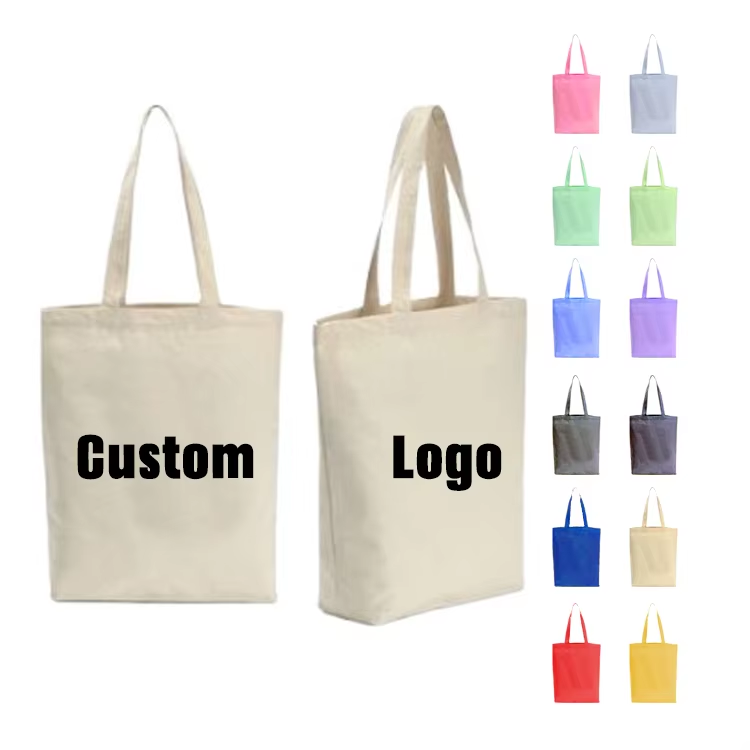


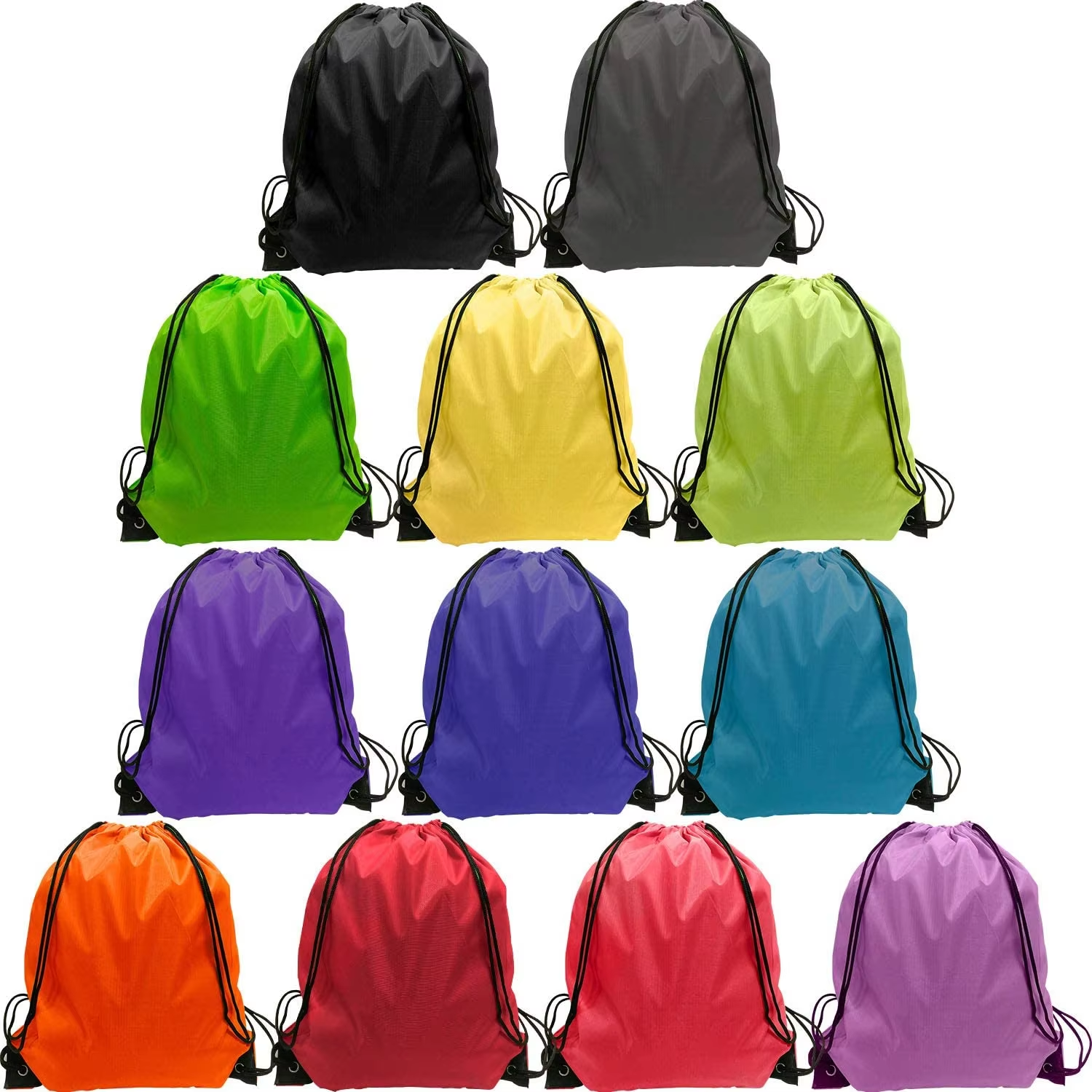
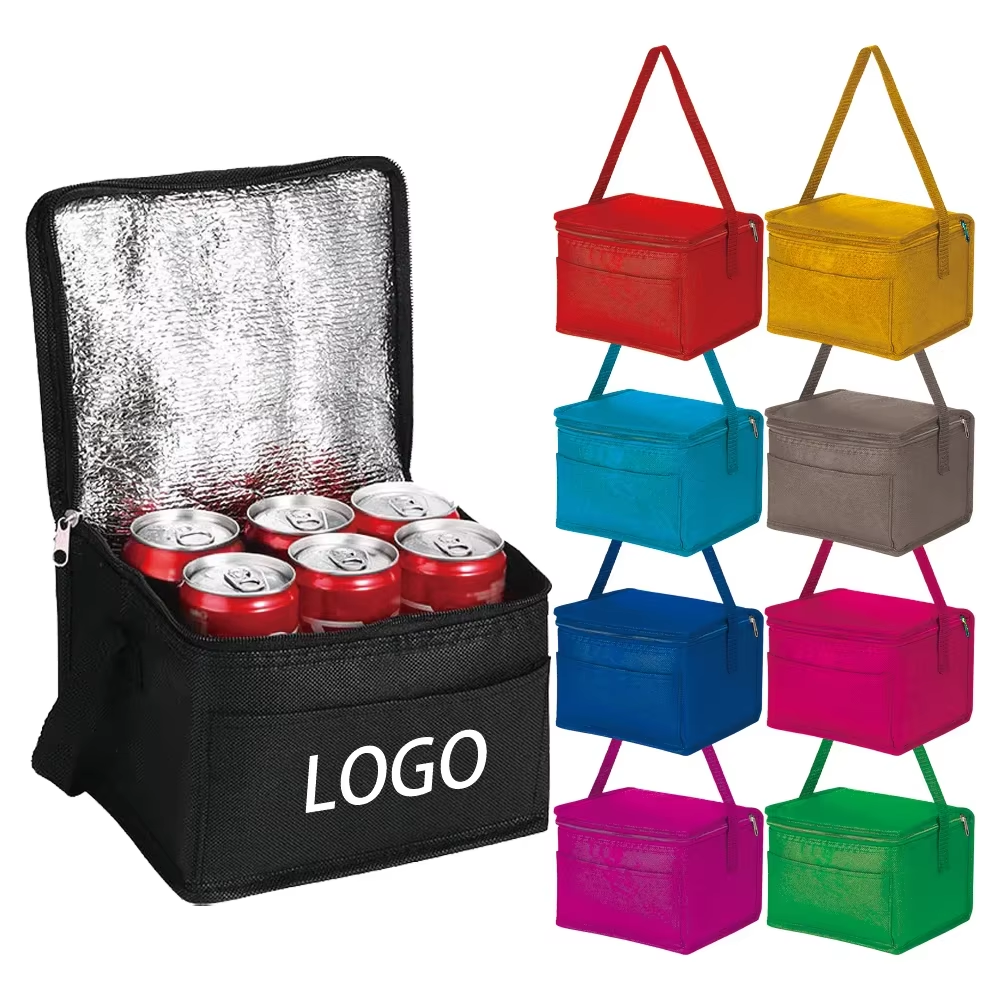

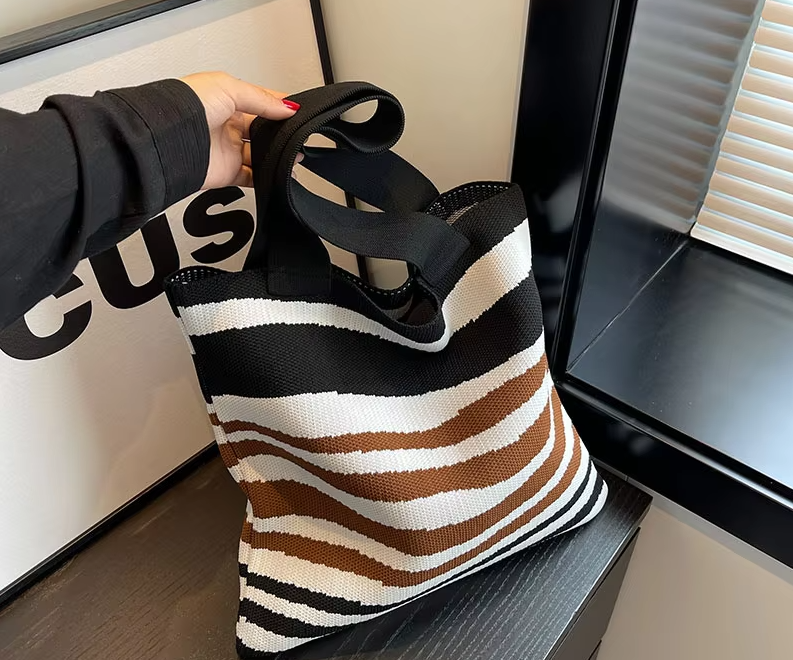

Custom tote bags for your business is an excellent choice. It's a great way to market your business, and bags that are made from RPET or cotton are much more eco-friendly than offering single-use plastic bags. What material will best fit your business RPET or cotton? Both are a better option than a single-use plastic bag, but they do have some major differences. One is a natural material while the other is made from recycled plastic. Your choice will impact the cost, feel, and look of your bag. What story do you want your bag to tell? We will help you choose the best option for your business by explaining the benefits of each material. If you are considering an rpet bag, you are looking at a product made from recycled materials.
Where They Come From: The Origin Story
Cotton and RPET bags have vastly different origins. RPET is made from recycled plastic (bottles, to be specific), while cotton is a natural, plant-based fiber. Cotton is grown and then spun into yarn which can be woven or knitted into fabric. Cotton is a renewable, biodegradable resource that along with other plant-based fibers (like hemp and flax), has been used for textiles for thousands of years. Natural fibers are soft to the touch and feel more comfortable against the skin than synthetic fibers.
RPET is also known as Recycled Polyethylene Terephthalate. This synthetic fabric is made from recycled plastic, most commonly from water and soda bottles. These bottles are collected, cleaned, and melted down to be reformed. As a result, an rpet bag starts its life as something that could have ended up in the ocean. The origin is based on the idea of giving waste a second life. This is a huge difference, and this is the core of the choice.
Story of Sustainability
Both materials are good environmentally, but they have different stories. Cotton is different because it is natural and biodegradable. When a bag made of 100% cotton reaches the end of its life, it will break down naturally in the soil. This is a beautiful closed loop. But, growing conventional cotton requires a lot of water, and the use of pesticides is common. This has led many manufacturers to use organic cotton, and that is a good choice.
RPET's sustainability story centers on recycling and waste diversion. By transforming existing waste into a usable product, RPET directly addresses the challenge of plastic pollution. Additionally, RPET typically has a lower carbon footprint than producing virgin materials, as it requires less energy to manufacture. By purchasing an RPET bag, you say, "We believe in giving waste a new purpose." For brands wishing to mark their support for the circular economy, RPET provides an excellent answer.
Durability and Everyday Use
When it comes to durability, each material has a different approach to how they hold up. A well made cotton tote strengthens and softens over time. It turns into a loved, well-used bag. But, it does come with the downsides of water absorption and potential for staining.
RPET fabric, on the other hand, is withstanding and has a high durability quotient. It instills confidence with boater grade water resistance. Therefore, the interior contents of the bag are not in danger of becoming damaged in the event of a light rain. This quality makes it an excellent option for grocery shopping, beach days, or any occasion where the bag needs to hold a lot of weight. It is an excellent workhorse material. For a bag that is built to last, RPET is often the best option.
The Look and Feel of Materials: Texture and Drape
This is really down to personal preference. For cotton, there is a softer and more natural feel. It gives a more warm and inviting touch and drapes really nicely giving a classic look to a tote bag. That's why many people love it. It's the kind of bag that you can easily use as a purse or a daily side bag. It creates a sense of familiarity and comfort.
RPET has a completely different feel. It can be manufactured to have a smooth and silky touch, or it can be a more structured and canvas-like feeling touch. The material has slight sheen giving it more of a bright and modern look. It's great in regards to structure and can keep the bag upright once it's placed down. The feeling of RPET is more technical and smooth. In regards to which is better, it depends on the image you have for the brand. An artisan coffee shop would likely would appreciate the natural look of cotton. A modern coffee shop would appreciate the RPET material.
Custom Printing and Personalization
As you place your logo on the bag, the method of printing used is important. Cotton is a dream material for many printing techniques, as it absorbs inks beautifully, particularly for screen printing. A large number of totes that are given out have a classic, soft-feel print that screen-printed into a cotton fabric. Yields a great and durable result.
RPET is a synthetic, and prints just as well as cotton. It can create sharper, and more vibrant prints because the material is visibly smooth. It works well for highly detailed designs for heat transfers and produces excellent prints in full color. It can create bright and crisp color contrast against the RPET fabric. Both cotton and RPET create a great printing surface, but in the end, the prints will look different on the two types of fabric. Cotton is more soft and RPET prints are more bright and clear.
Cost Considerations
Cost is undeniably a concern for all businesses. Standard cotton totes, for example, tend to be quite inexpensive, especially for bulk purchases, while the cost of organic cotton totes is typically higher. There is also the option of RPET totes, which has become more competitively priced as new technology has emerged; both RPET and organic cotton totes can be used for large promotional campaigns while remaining budget-friendly. The total cost for a promotional campaign is influenced by the quality, weight, and size of the tote bags chosen. It is advisable to request pricing from a reputable supplier to establish what is achievable within your budget.
Choosing the Right Bag for Your Brand
What will you choose? Consider your brand's identity and values. What story do you want to tell? For example, if your brand is centered around natural living, heritage, or organics, a classic cotton tote is a great option. It looks natural and is timeless. If your brand is more futuristic, innovative, or focused on tech and sustainability, RPET is a great option. It shows you are part of the solution to plastic pollution. Consider also the use of the bag. For heavy, grocery store use, RPET is durable and waterproof. For soft use, cotton is hard to beat.
Why a Trusted Partner is Important
The material used is not the only factor in the quality of the bag; equally important is their production process. You want a partner who shares your commitment to quality and sustainability. For example, in the last 20 years Conlene has proven to be a reliable partner. Evaluating a potential manufacturer's certificates, like the ISO 14001 for environmental management, is a good way to determine if they practice true environmental sustainability. A quality manufacturer will be able to provide detailed information and help you with the selection of the material that will best meet your design and budget requirements. They will help you to ensure that your custom bags, be it cotton or RPET, will be something you will be proud to put your name on.
YOUR BEST OPTION IS WHAT IS BEST FOR YOU
No matter your decision, there is no single 'better' material. From an environmental perspective, RPET and cotton are both far better options than single-use plastic. The best option is the one that best fits your brand story, price point, and the end-use of the bag. Whether you select the natural, soft touch of cotton, or the engineered, recycled RPET, you are making the right decision. You are providing your customers with a valuable, long-lasting product and with the added exposure, bringing your brand to the masses is a positive thing.