 EN
EN


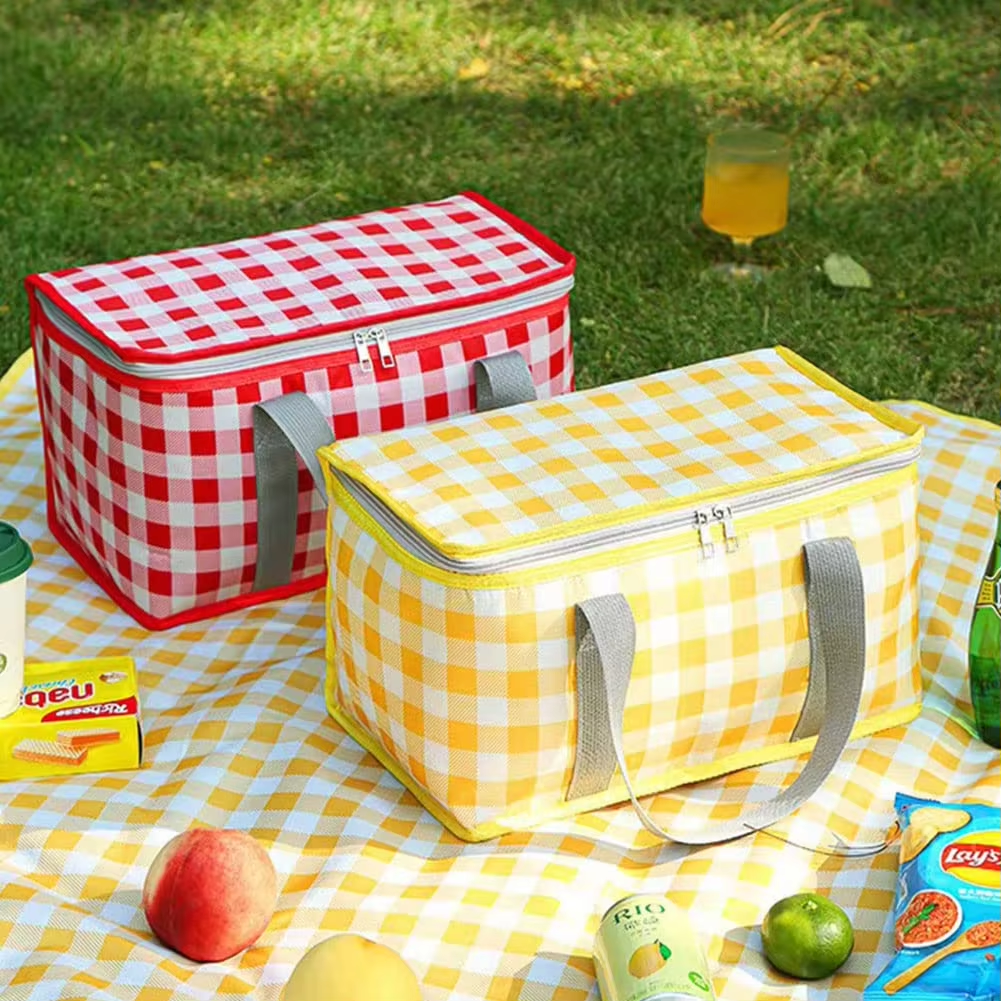
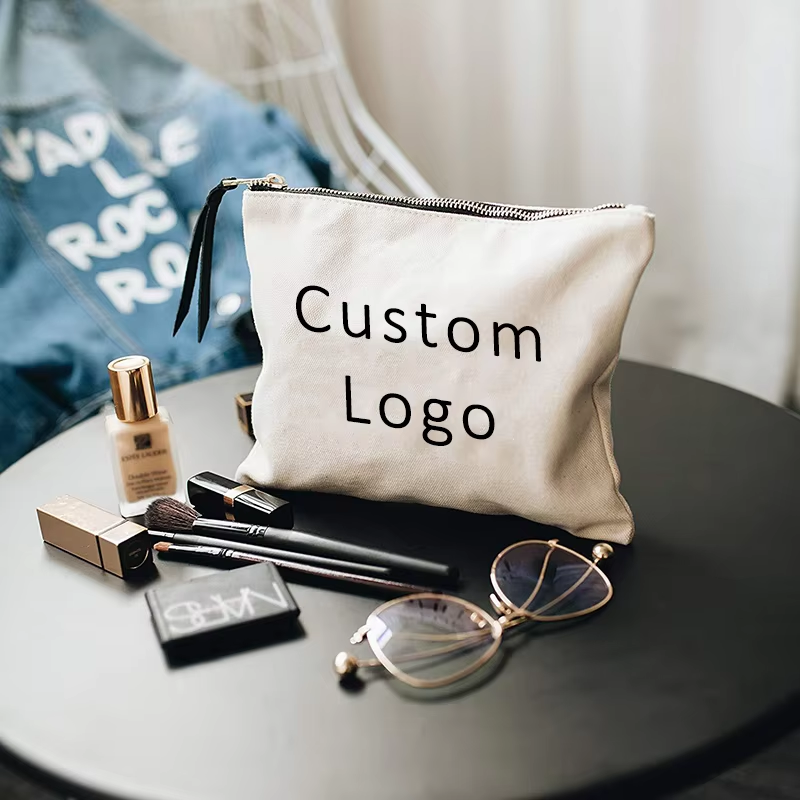
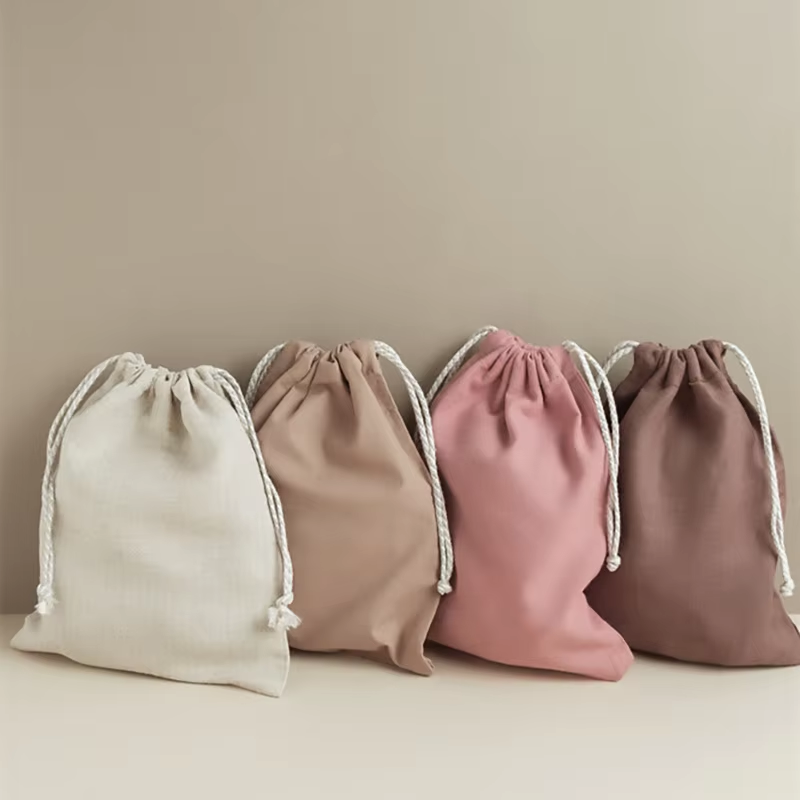
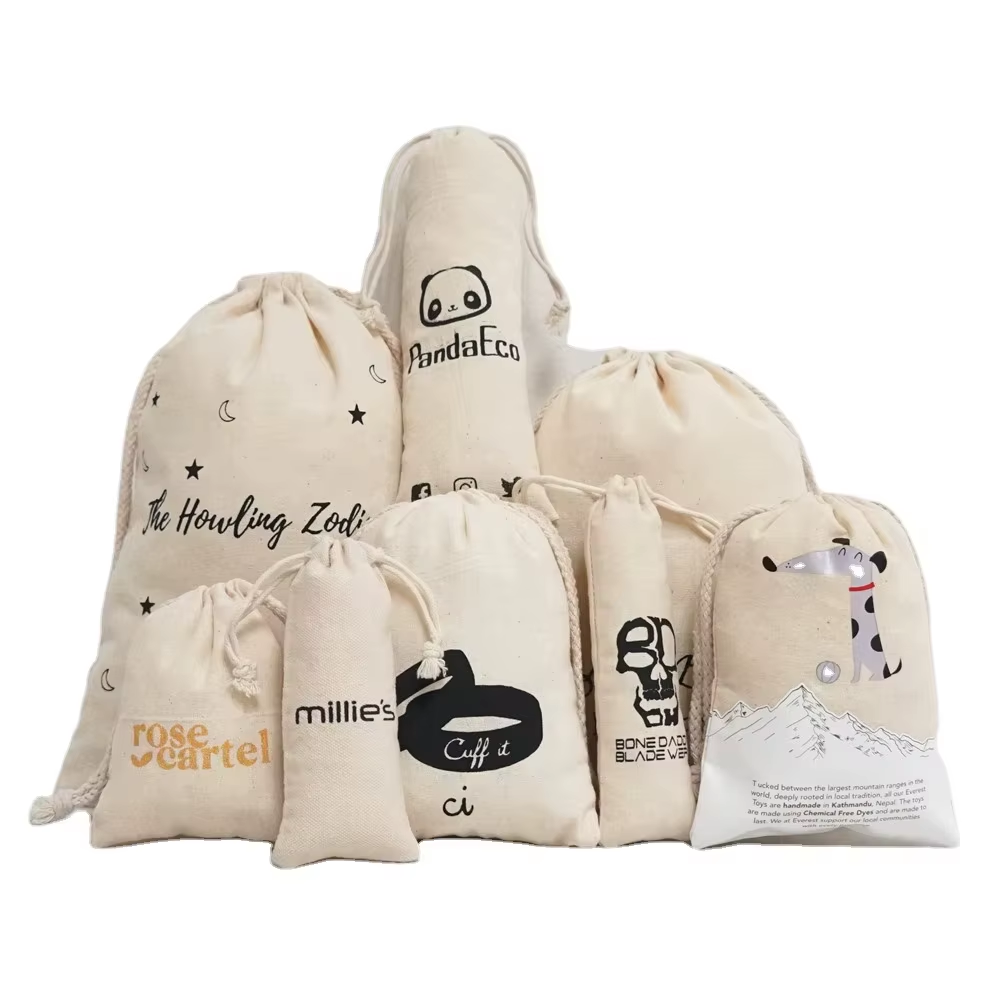
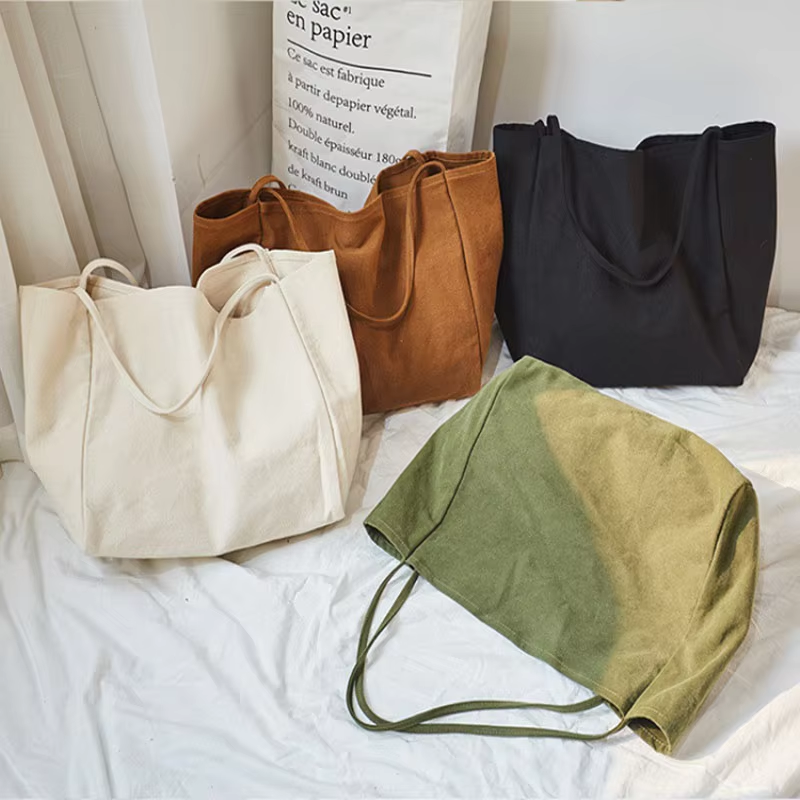
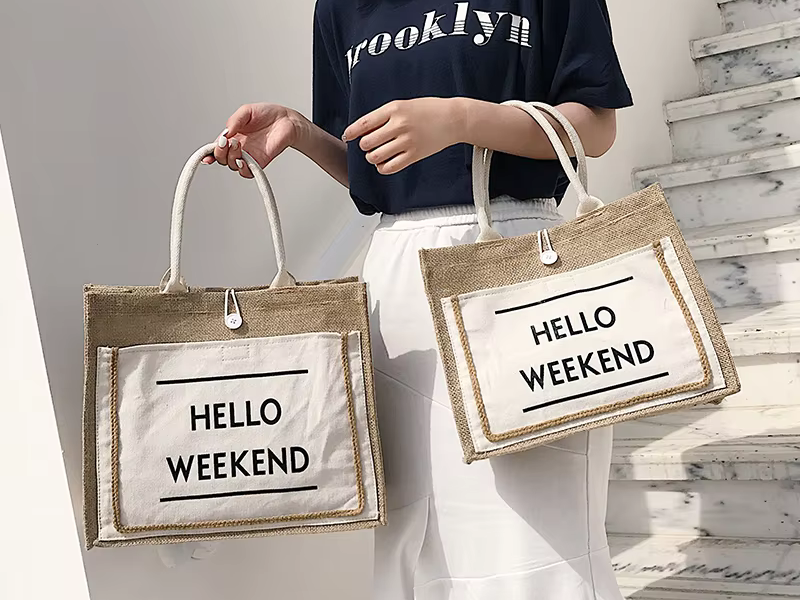
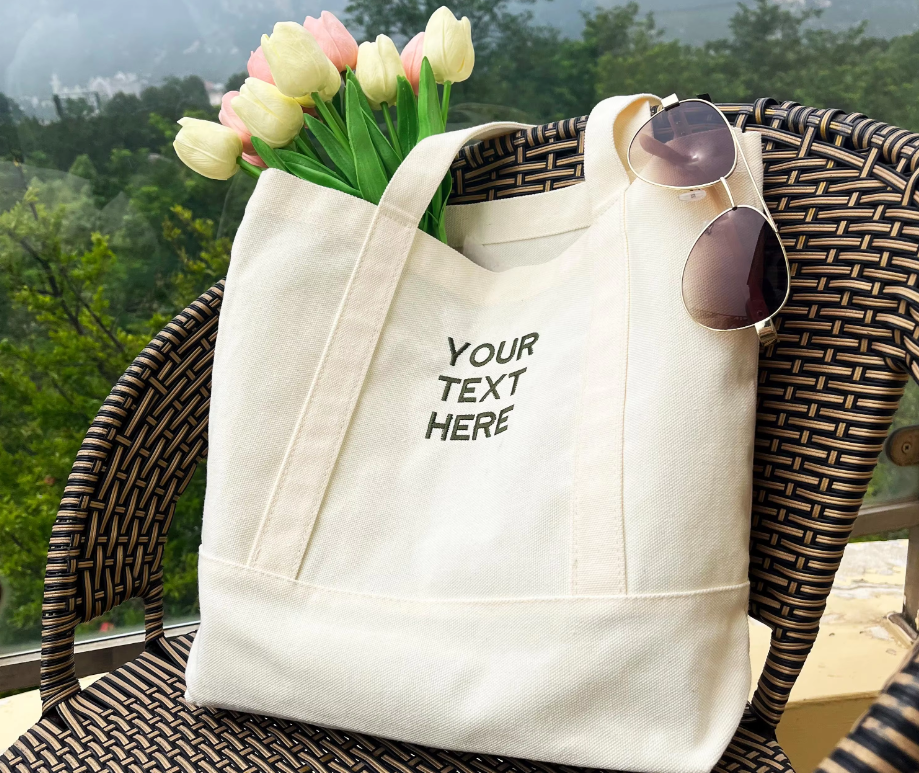
Imagine being asked, "do you need a bag?" And you have to decide if you will pay for a plastic bag or juggle all the items to your car. Quite annoying right? Most of us have gotten used to carrying our own bags to avoid these conversations, but this presents the next issue - what bag should you buy?
This question is not as straightforward as you may think. There are so many other bags to choose from: printed cotton bags, rustic jute bags, and the ultra-lightweight folding bags. However, the material of the bag you choose is extremely important. It will dictate the total weight you can carry, the overall lifespan of the bag, and the true eco-friendliness of your tote.
In this post, I will focus on the three tote bag materials you are most likely to come across: cotton, jute, and non woven. You will learn what bag is the best for you, depending on your lifestyle.
The Classic Cotton Tote
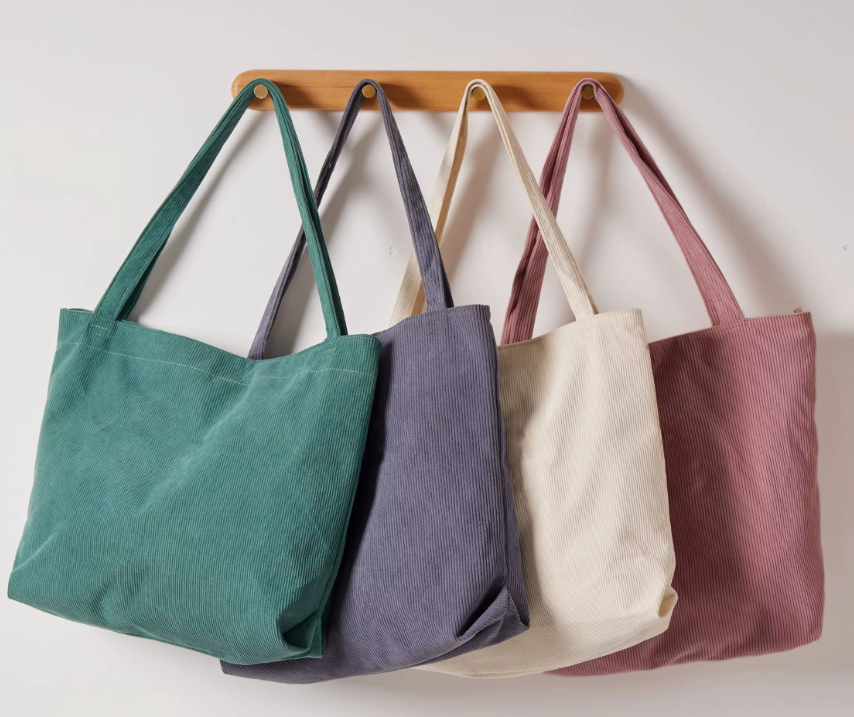
Let's begin with cotton, the material most people likely envision when thinking of tote bags. That soft natural fabric that is nice to touch. In the last couple of years, cotton tote bags have become ubiquitous. Brands love to print their logos on them. They are given away at farmer's markets. They are approachable and recognizable.
Cotton is a natural fiber that comes from the cotton plant. Furthermore, cotton's breathability helps with airflow when carrying your things, and the fabric is woven with sufficient strength to effectively carry a lot of weight, be it groceries, books, or your gym clothes.
One of the things I like the most about cotton is that it softens with use. Initially, a new cotton bag may feel a little stiff, but with frequent use it loses that stiffness and becomes softer and, therefore, more comfortable. Additionally, It’s washable. Spilled something inside? Just toss it in the washing machine and it will be back to looking good as new.
However, cotton does have some negatives. They include its ability to absorb a ton of water. If you get caught in a rain shower with a cotton tote, everything inside it will get soaked. Additionally, cotton easily wrinkles. Looking crisp and professional and wanting to avoid pep talks with your boss of why you you should iron your tote will cause you to have to do some ironing. That's a pretty good reason to buy a different bag.
Another thing to take into consideration is the large amount of water used for cotton farming. It's true that conventional cotton does have a negative impact on the environment and that organic cotton is a better option, but the downside is that it is more expensive. Therefore, the option of cotton requires consideration of the location and farming practices of its source.
The Rustic Jute Option
Now, I would like to say something about jute. Burlap bags that some people might consider to be rustic are made out of jute. This means they have a coarse, textured surface that is different from cotton and, quite frankly, is charming in its own right.
Although jute is a fibrous material extracted from a plant, it is not the same one as the other fibers described above. The jute plant is tall and grows straight, and the fibers from this plant are long and shiny. Also, as far as natural fibers go, jute is one of the least expensive. And, as a bonus, jute is very environmentally friendly. It grows quickly and requires very little water, and it also does not need the pesticides that cotton does. If you are environmentally conscious, jute shopping bags are a wonderful option.
The material used to make jute bags has a distinctive appearance that is not found among other fibers. It has a natural and earthy material that is great for use at farmer markets, the beach, and for everyday use. The texture is also great. The material does not feel synthetic, and it lacks the fake and plastic feel that many synthetic materials give.
However, there is a downside that jute bags have that potential buyers should be aware of. The rough texture, and the material used to manufacture the bags, can often be uncomfortable. If you have sensitive skin, the bags can be uncomfortable to deal with. Also, jute bags do not have the same level of flexibility that cotton bags do. This is a positive and a negative. Jute bags will hold their shape while cotton bags will conform to your body.
If jute gets wet, it can stiffen, and worse yet, it can become a moldy mess. This means jute bags are a poor choice for rainy locations, and for those who carry leaky items. After a jute’s bag gets dirty, it will not be able to be cleaned in a washing machine, either. Clean it dirty spots on the jute bag.
However, for moving big and heavy items, like produce and books, jute bags are very good as they are very durable and will last for many years.
Now to discuss non woven bags. They are the cheap and recyclable bags that you can see in many stores. They are built like a fabric, yet also a paper. They can be coated in a variety of colors and can have prints and die cuts. They can also be easily and cheaply produced and can be folded to occupy a small amount of space.
That means they are made of polypropylene, a kind of plastic, instead of a natural material. Non woven fabric is not woven like traditional fabric. Instead, fibers are bonded together using heat, chemicals, or pressure.
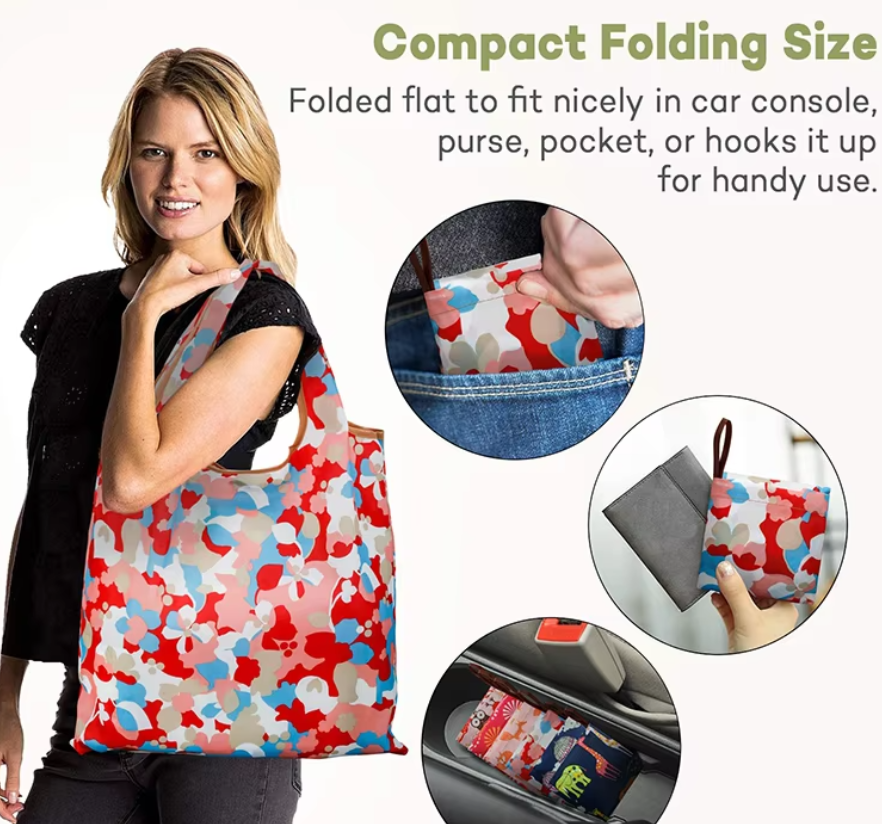
It is common knowledge that non woven bags are extremely lightweight. You can easily keep one in your handbag or in the pocket of your jeans, and it will take up virtually no space. Keeping a non woven bag with you while you go shopping is beneficial because many people forget to take bags.
In addition, non woven bags are moisture resistant. In contrast to cotton and jute bags, non woven bags will not soak up water. This means that if you have a cold drink in your bag, or if you are caught outside and it starts to rain, everything in your bag will stay dry. You will also not have to worry about cleaning a non woven bag, as a quick wipe will suffice.
There are a few issues to be aware of when it comes to non woven bags, particularly regarding the environmental impact. Over time, as bags are used, the material tends to tear, especially at the handles, and the bags will look worn. For environmental purposes, plastic non woven bags are not biodegradable and, as a result, they will take a long time to decompose if sent to a landfill.
However, some non woven bags are produced using recycled plastic and can potentially be recycled again at the end of their lifespan, but you have to be aware that not all recycling programs will accept them. For the sake of the environment, it is important that we understand and use non woven bags appropriately.
Sustainable choice
When determining which option to select, it is based on personal preference.
When picking which bag to purchase, if you want to use your bag on a day to day basis, a bag made of cotton, is a good option, especially if you want to help the environment, you can purchase an organic cotton bag which is better for the environment, however it is a little pricier. Additionally, when looking for a cotton bag, you will want to look for a woven cotton bag, it will be a bag that will last you a long time.
If you want to help the environment, and you want to have a natural look, it is hard to beat jute shopping bags. They are eco-friendly, durable, and have a unique personality. As long as you keep your bag dry, it should last you a long time. These bags can be used at the farmer's market, the bookstore, and for anything that dry and durable.
If you want a durable bag that you can keep in your car, and that can be used for purchases that you might have to make on the spur of the moment, it would be a good idea to purchase a non woven recycled bag. If it wears out, make sure you recycle it properly.
Beyond the Bag's Materials
Consider something else - the way a bag is made is as equally important as the way it is made too. A well made bag is one that has its handles double stitched, has reinforced seams, has printed logos that won't peel off, etc. the previously mentioned details determine the longevity of a bag
Now think about the company that made the bag. Quality companies usually care about treating their employees well, reducing their ecological footprints, and being open about their business.
Consider the company Conlene. They’ve been in the bag making industry for more than twenty years. They have prestigious certifications. Sedex, which audits labor practices, ISO for quality and environmental standards, and even approvals from Disney and Universal Studios.
They have a name and a commitment. Conlene stands for Certified Quality, Natural Materials, and Eco Friendly Practices. You know they are serious about their name because they are not about recycling and calling it eco friendly. They are about using natural and sustainable materials.
The Environmental Impact
Let me be honest with you for a moment. The most eco-friendly bag is the one you already own. Whatever material you choose, the most important factor is reusability. A bag made out of cotton which is used a thousand times, will have significantly less impact even with the water used to grow the cotton, than a single-use plastic bag.
However, if you are purchasing a bag for the very first time, consider the whole life cycle of the materials used. Where do the materials come from? How are they processed? How far do they travel? What do you do with the bag when you are done with it?
In this regard, jute is an excellent option because it grows with very little water and no pesticides. At the end of its life, it can be used as compost. Even though cotton is renewable, it is considered a "thirsty" crop. Non woven polypropylene is made with fossil fuels, but it can also be produced from recycled materials, and is often recyclable.
Every option presents trade-offs and perfections do not exist. Having an understanding of those trade-offs will help you make the most informed decision when the time comes.
What Works for You
At the end of the day, the best bag for you is the one you feel fits you best. What is the point of having a nice bag if you never use it because it is too delicate, or too heavy? What about a bag that is cheap and ends up falling apart after three uses, that is just a waste.
Think about your habits. Do you walk or drive to the store? Do you carry heavy items or light items? Do you live in a dry or wet climate? Do you prefer style more than practicality? Answering those questions will help figure out the right material.
You might need more than one. A cotton bag for daily errands, a jute bag for farmer’s market trips, a collapsible non-woven bag in your car’s glove compartment for surprise stops. Different tools for different jobs.
Final Remarks
Choosing a tote bag might seem insignificant. But all these little choices add up. The bags we use communicate who we are and what we value. They are part of our daily lives and tell our story.
Consider the options. Think about how the choice of bag materials relates to your values. Choose a bag that fits your personal style. Is it soft cotton, rugged jute, or light and airy non-woven? A well adapted selection will last you a long time, and this choice will allow you to proudly represent your values every time you make a purchase.
Rest assured you will not have a checkout bag panic. You will have your bag, the right bag, and you will not have to buy a plastic or paper one again.