 EN
EN


Why Personalized RPET Tote Bags Drive Meaningful Brand Loyalty
The psychology of ownership: How personalized tote bags foster emotional attachment
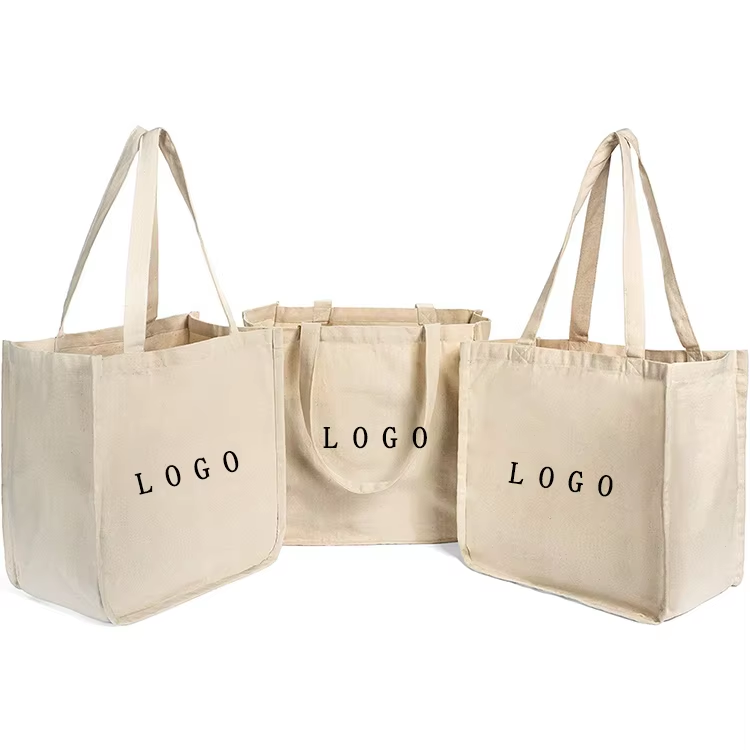
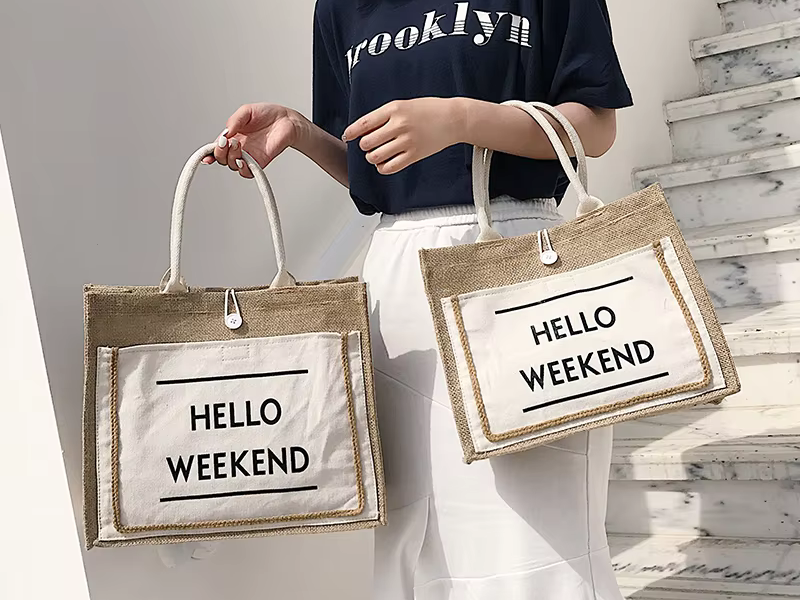
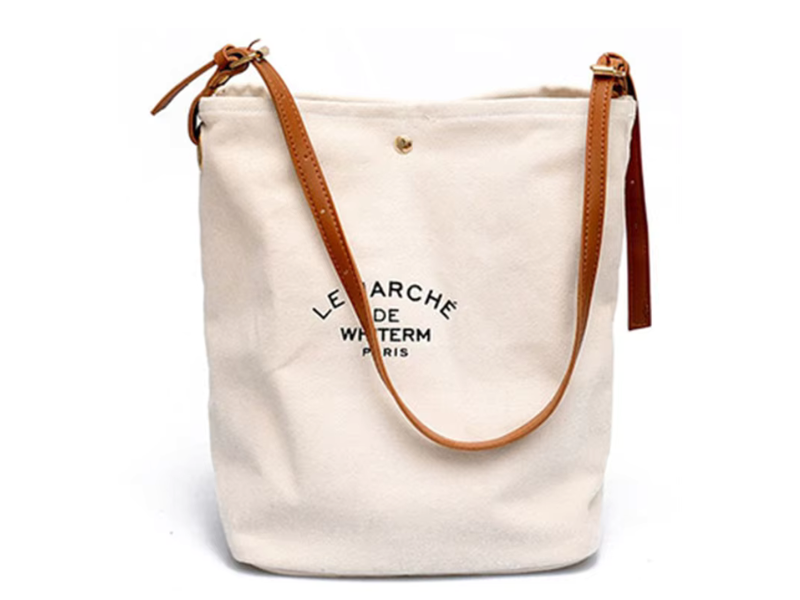
Adding personal touches transforms ordinary RPET tote bags from just another item on store shelves into something special that people actually care about. This taps into what psychologists call the endowment effect, basically when folks start valuing things more once they feel like they own them. Some research indicates that when products get personalized, customers form stronger emotional bonds with them around 68% stronger than with plain old unbranded stuff. People who put their name or initials on a tote bag tend to view it as part of who they are, which creates this kind of invisible link between themselves and whatever brand made the bag. There are actually three main reasons why this connection gets so deep:
- Exclusivity: Custom names, designs, or limited editions make customers feel uniquely recognized
- Utility integration: Frequent use in daily routines embeds the brand into lived experiences
- Value alignment: The use of sustainable RPET material reinforces eco-conscious self-identity
This emotional resonance transforms a simple bag into a symbol of personal and brand values, laying the foundation for lasting loyalty.
Data-backed impact: Linking RPET tote distribution to repeat purchase behavior and NPS lift
Brands that distribute personalized RPET tote bags see measurable improvements in customer loyalty. A 2023 retail study found these initiatives drive significant gains:
| Metric | Average Improvement | Timeframe |
|---|---|---|
| Repeat purchase rate | 29% | 6 months |
| Net Promoter Score (NPS) | +18 points | 90 days |
| Social media mentions | 41% increase | Campaign |
The durability of RPET totes extends brand visibility far beyond single-use alternatives. Each bag generates over 200 annual impressions in urban environments—effectively turning customers into brand ambassadors. This sustained exposure correlates with higher customer lifetime value, particularly in grocery retail, where repeat visits amplify both usage and impact.
RPET Tote Bags as Sustainable, High-ROI Brand Amplifiers
From landfill to loyalty: How recycled PET aligns brand values with conscious consumerism
RPET takes those old plastic bottles we throw away and turns them into really tough, good quality tote bags. This helps tackle the problem of plastic waste and also shows customers what kind of company we are. When someone carries one of these bags, they're actually keeping about 12 regular plastic bottles out of landfills and our oceans according to Circular Materials Initiative data from 2023. People get to see real results from their environmental choices. And let's face it, most shoppers care about this stuff. NielsenIQ found back in 2023 that around seven out of ten people worldwide look for sustainable options when buying things.
When stores start using recycled plastic instead of new stuff in their packaging, they're showing they care about circular economy ideas something that matters a lot to people who shop with sustainability in mind these days. Take coffee cups or grocery bags made from old bottles for instance. These products tell a story about turning trash into something useful again, and customers tend to keep buying from brands that do this kind of thing. And let's face it, this isn't just window dressing for companies either. There's real business sense behind matching what brands actually do with what their customers believe in and want to support.
Visibility metrics: Estimated 200+ annual impressions per RPET tote in urban retail ecosystems
RPET tote bags keep brands visible for ages because people actually reuse them again and again in busy places around town. According to some recent studies cited in the Packaging Impact Report from 2023, these bags can make about 200 impressions per year when they're hanging around cities. That's way more than what happens with those single-use bags we throw away after one trip to the store. The reason these RPET bags last so long is simple enough really. Made from recycled materials, they hold up pretty well even after someone throws them in the washing machine half a dozen times or more without falling apart completely.
Frequent usage contexts contribute to consistent exposure:
| Exposure Context | Avg. Weekly Impressions |
|---|---|
| Grocery shopping | 3-5 |
| Commute/public transit | 7-10 |
| Community events | 2-4 |
The combination of sustainability and persistent visibility makes RPET totes powerful marketing tools—reducing environmental impact while amplifying brand presence across everyday consumer journeys.
Strategic Customization: Turning Totes into Targeted Retention Tools
Segmented personalization—leveraging loyalty data for design, messaging, and timing
Generic RPET tote bags get noticed, sure, but when companies personalize them, that's when people really start paying attention. Big name stores are getting smart about this by digging into their customer loyalty databases. They look at what folks buy most often and where they live, then create custom designs around those patterns. Take someone who shops for organic veggies all the time - they might end up with a tote featuring leafy green patterns and a tagline like "Your Weekly Harvest Buddy" printed right on it. Timing matters too. Stores know that handing out beach themed bags just before school lets out for summer means those bags actually get used at the beach instead of collecting dust in a closet somewhere. The connection feels more personal that way.
Research shows personalized items boost retention by 20—30% compared to standard versions (Journal of Consumer Marketing 2023). This data-driven approach transforms environmental goodwill into emotional investment, making each tote a relevant, valued part of the customer’s life.
Beyond logos: Embedding utility (e.g., QR-coded recipes, seasonal offers) to increase usage frequency
To ensure RPET totes move from storage to daily use, brands are adding functional value. QR codes on the bags can unlock exclusive digital content, including:
- Recipe generators based on seasonal produce
- Monthly digital coupon books
- Recycling locator maps for hard-to-recycle materials
According to a recent 2024 retail report, bags that actually have useful stuff built in get grabbed about 3.5 times weekly compared to those plain old logo bags nobody cares about. When shoppers carry these functional totes around town, they're not just making a statement about going green but also building a connection with the brand over time. Think about it: when someone pulls out their bag at the grocery store or office supply shop, that moment becomes another chance for the brand to stay top of mind. The bottom line? Great branding isn't about looking good on display shelves anymore. It's about creating products people actually want to use day after day.