 EN
EN

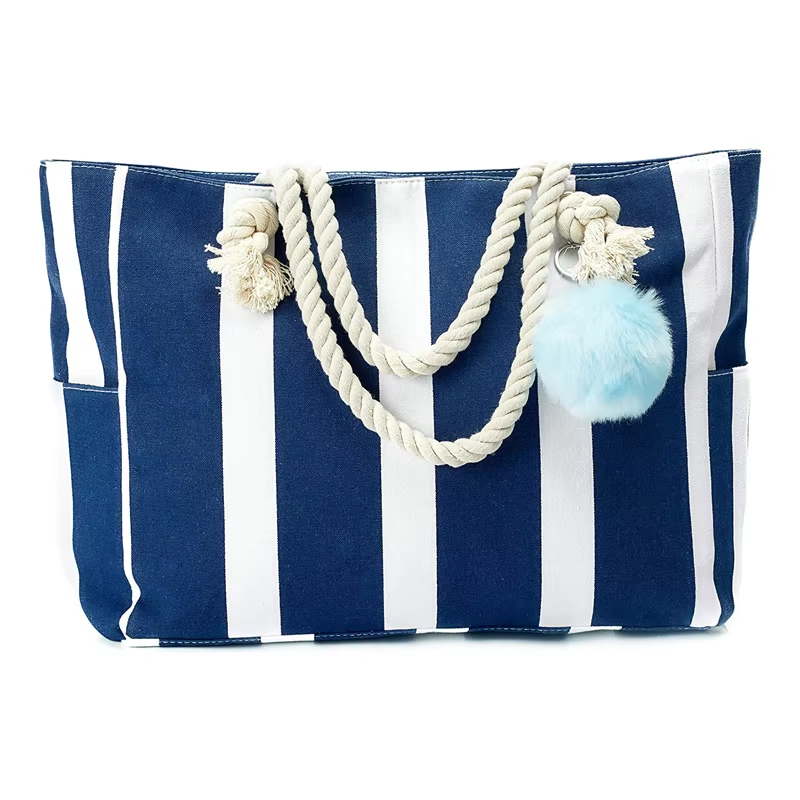

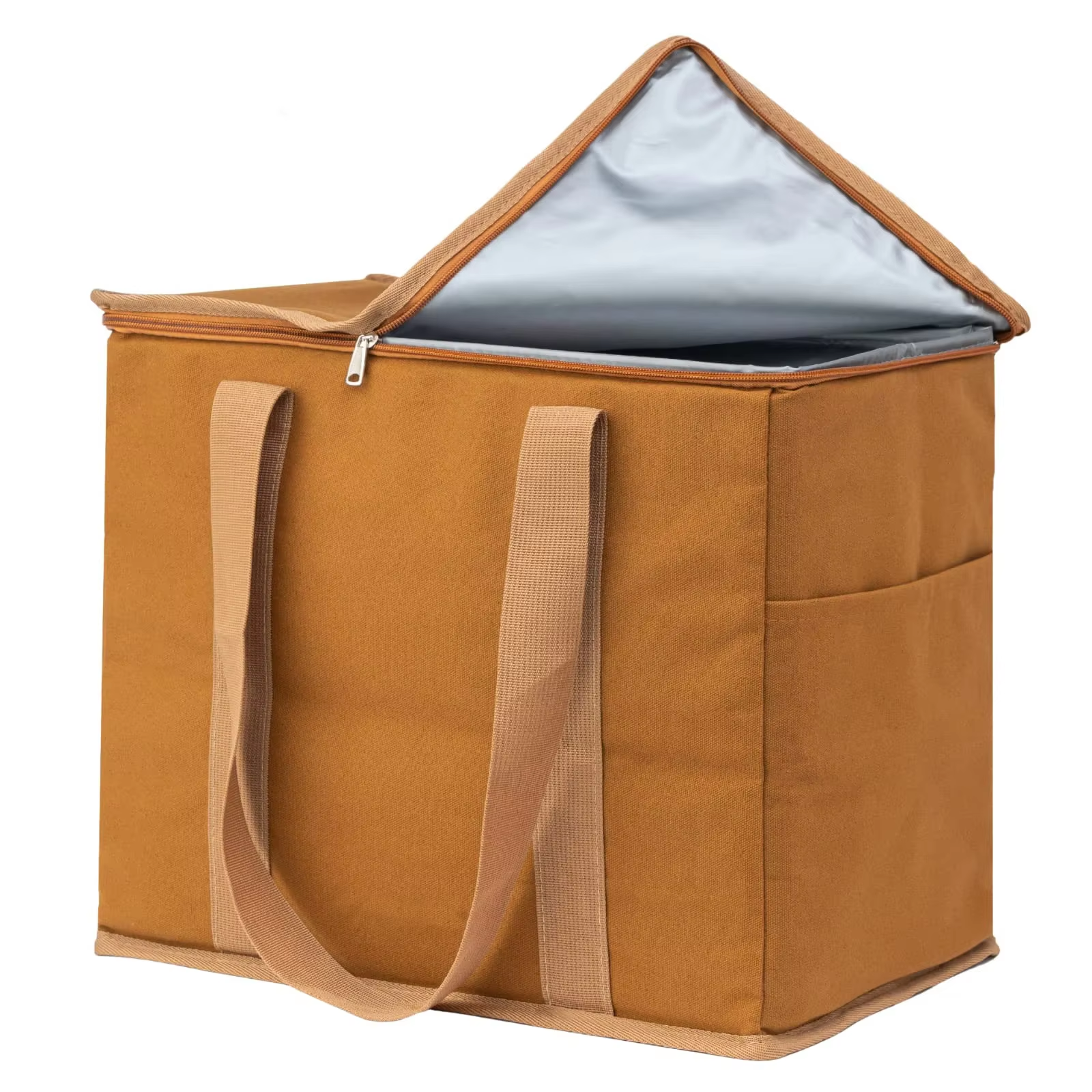
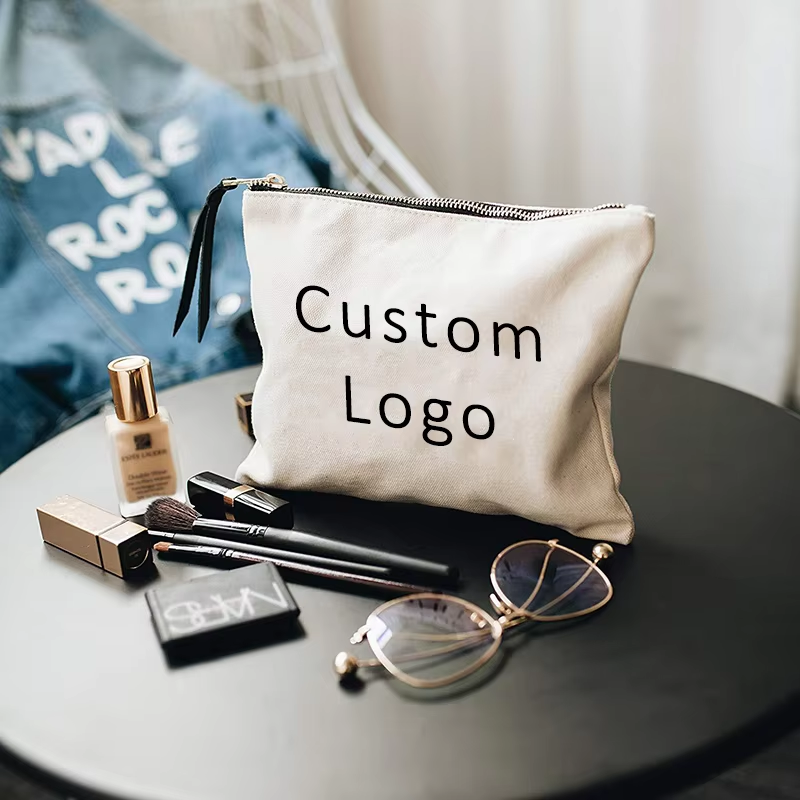
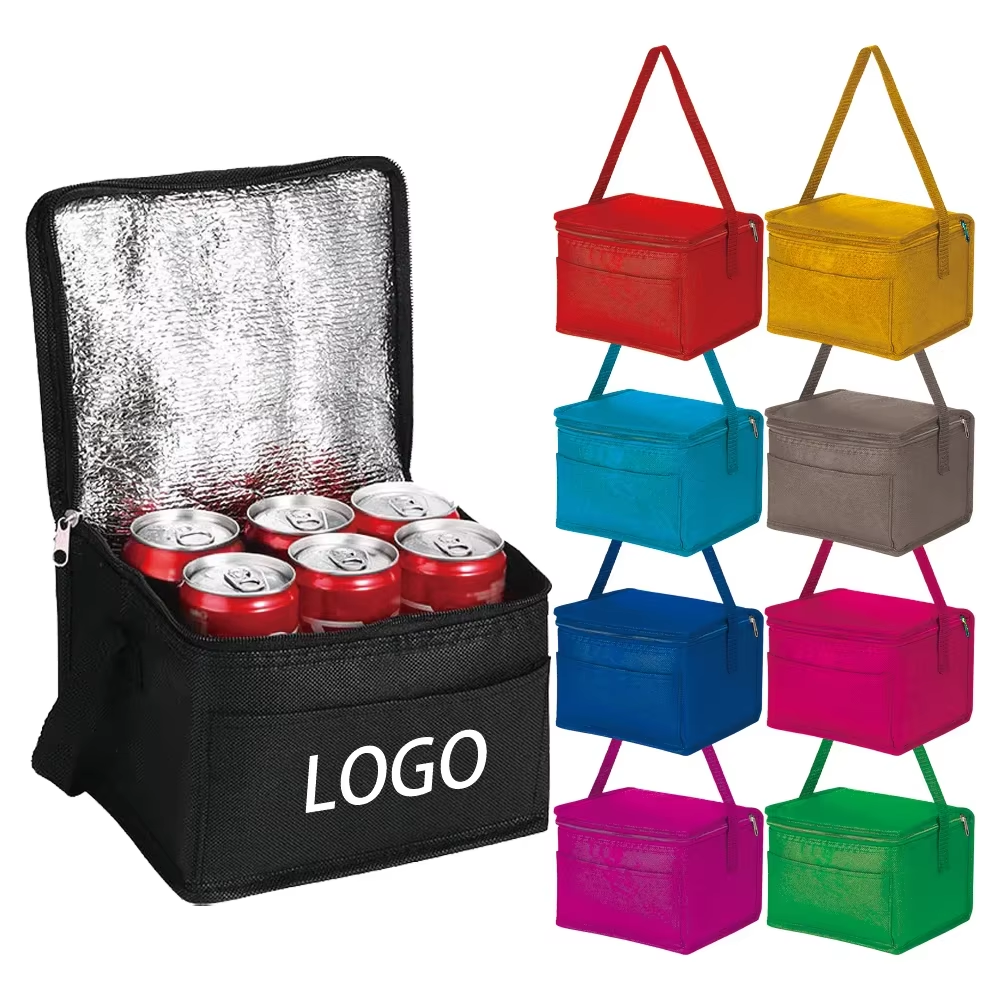
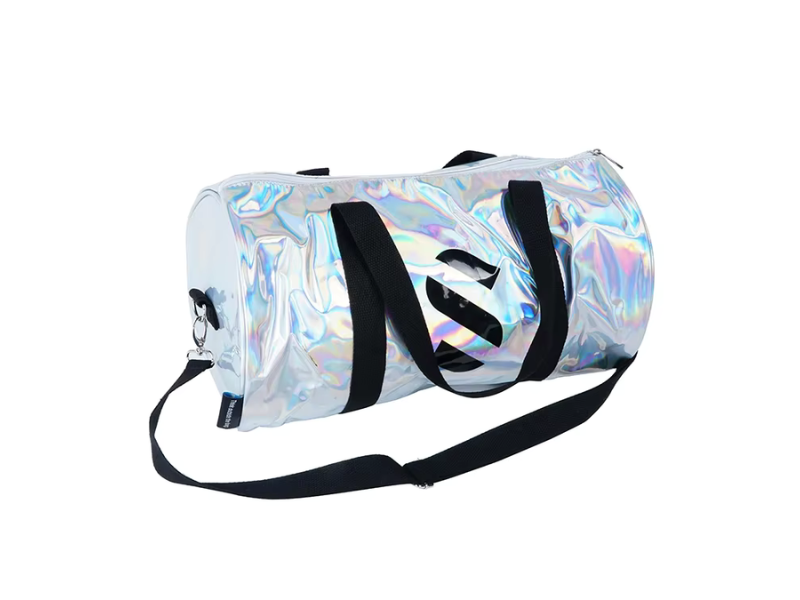
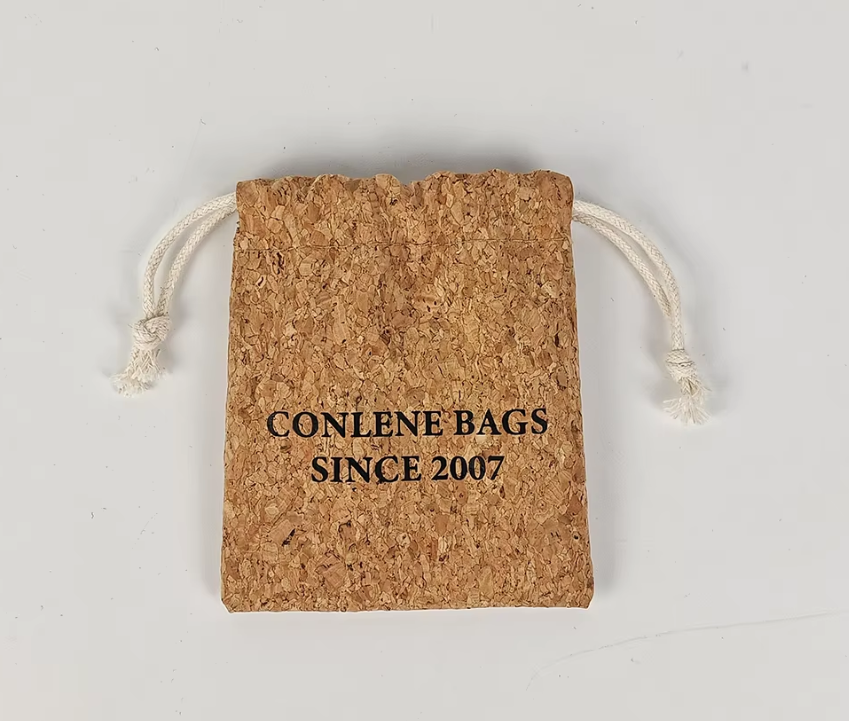
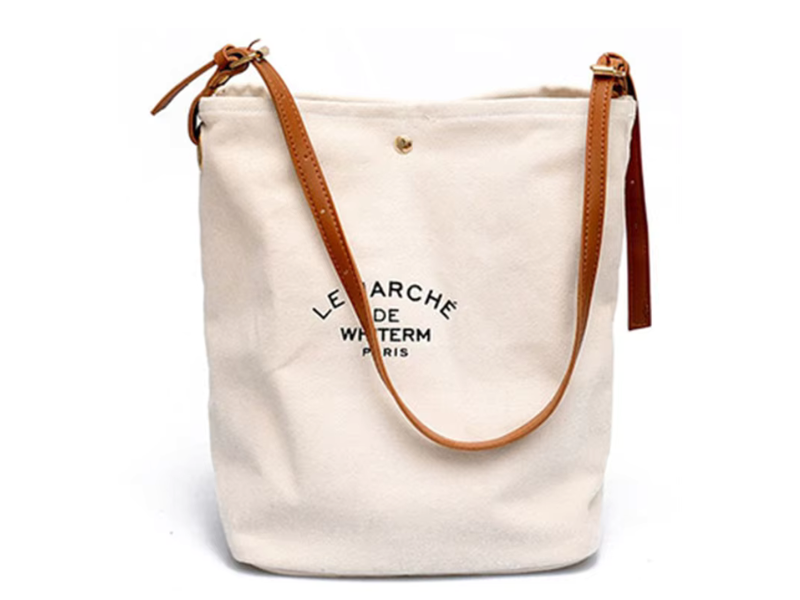
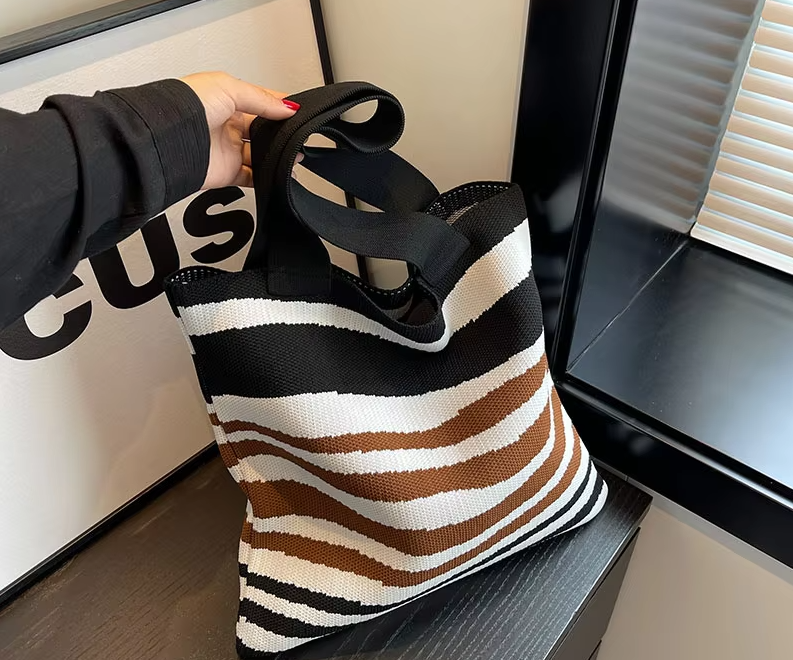
Walk through almost any capital city and the pattern repeats: the checkout bag is no longer a free plastic film pouch but a sturdier carrier — non-woven PP, RPET, paper, or canvas — often carrying a small "reusable" label. That shift did not happen by consumer choice alone. It was engineered by legislation, market by market, and the laws are still moving.
For procurement teams, the key insight is that the law defines what counts as "reusable" — and that definition changes the spec. Thickness floors, reuse thresholds, and material bans translate directly into GSM choices, handle construction, and price points. This article maps the general shape of the rules across the EU, UK, US, Japan, and Australia, and shows how the legal definition of "reusable" flows into your bag specification.
How Regulators Define "Reusable"
The single most important concept to grasp is that most regulators do not ban "plastic bags" outright. They ban lightweight plastic bags, or charge for them, while exempting bags that meet a "reusable" test. The test usually combines two elements:
-
A minimum thickness. If a bag is thick enough to survive multiple trips, regulators assume it will be reused rather than discarded. Common thickness floors across markets sit in the range of 40–50 microns for plastic film bags; heavier non-woven PP bags (70–120 GSM spunbond) qualify structurally without controversy.
-
A reuse intent or durability requirement. Some rules go further and demand that a bag be designed and marketed for a minimum number of uses — occasionally defined explicitly (for example, a stated number of trips), sometimes left to durability testing.
The practical consequence: a "reusable bag" is not a marketing label, it is a specification. Buyers who hit the thickness and construction parameters are legally in the clear; buyers who sell a thin single-use film as "reusable" expose themselves to fines and confiscation.
The European Union: Directives, Then National Laws
The EU works through framework directives that member states transpose into national law, so details differ by country even though the direction is common. Its approach to carrier bags targets lightweight bags below a thickness threshold through reduction targets and mandatory charging; many member states go further with outright bans on the thinnest bags or charges on all carriers.
Separately, the EU's Single-Use Plastics framework covers certain single-use products, and some member states have extended its logic to "biodegradable" bag materials or tightened rules on oxo-degradable plastics. The lesson for buyers: verify the national rules of each destination country, because a harmonised directive does not mean harmonised practice — a spec that sails through Germany may face different treatment elsewhere.
The United Kingdom: Charges and the Shift to Durable Bags
The UK charges for single-use carrier bags across most retail, with fee levels set separately by England, Scotland, Wales, and Northern Ireland. The charge pushed retailers toward two tiers: cheap paper bags and paid "bags for life" made from durable materials — a reusable category that promotional distributors increasingly supply with branding.
The UK regime also tightened rules around very light plastic bags and introduced requirements around recycled content for certain plastic packaging under extended producer responsibility. Buyers should verify current charge levels, exemptions (e.g., for small bags used for loose produce), and any recycled-content obligations in force at the time of the order — these change faster than most procurement calendars expect.
The United States: A Patchwork of State and Local Laws
There is no federal plastic-bag ban in the US; instead, hundreds of state and municipal measures create a true patchwork — bans, fees, pre-emption, and inaction. A growing number of state laws ban thin plastic film bags while requiring any bag marketed as "reusable" to meet durability criteria, sometimes including minimum recycled content.
For a national US programme the implication is simple: one bag does not fit all states. Ship to several states and you either carry multiple SKUs or choose a spec that clears the strictest rule — the thickest floor and the highest recycled-content requirement. That is why RPET and non-woven PP bags with recycled content have become default promotional choices in the US; one spec clears the widest range of state rules.
Japan and Australia: National Charging and State-Level Bans
Japan. Japan charges for plastic shopping bags at the national level, with a strong push toward reusable carriers and lighter packaging. Retail culture had already moved toward compact, high-quality reusable totes, and the charging system accelerated that trend. Japanese consumers expect a folded, durable, well-finished bag that fits in a pocket or handbag — one reason Japanese buyers hold suppliers to exacting finishing standards. For overseas suppliers, the rules matter through the retail channel: large Japanese retailers set their own reusable-bag specifications, often heavier and better constructed than the legal floor. Building to the retailer's standard, not the legal minimum, is what wins those accounts.
Australia. Australia's states and territories have each moved against lightweight plastic bags, banning thin single-use bags at retail, and several have extended coverage to other single-use plastics. As in the US, requirements vary by state, and "reusable" definitions have hinged on thickness, intended use, and material type. The takeaway is the same as the American one: check the destination state's current text, not a summary from three years ago. Australian states have also been early adopters of recycled-content expectations and scrutiny of "compostable" claims, which creates documentation obligations for any supplier claiming eco-credentials.
A Quick Comparison of Regulatory Patterns
| Market | Typical mechanism | What counts as reusable (general pattern) | Buyer action |
|---|---|---|---|
| EU (member states) | Charges, bans on thinnest bags, national transpositions | Thickness floor; durable design; reuse intent | Verify each destination country's national law |
| UK | Carrier-bag charge; "bag for life" category | Durability and reuse expectation; recycled-content trends | Confirm current charge level and exemptions |
| US (states/municipalities) | Bans and fees, patchwork, some pre-emption | Often a thickness or reuse criterion plus recycled content | Design one spec that clears the strictest state |
| Japan | National charging; retailer-led specs | Durable, compact, high-finish reusable carriers | Build to retailer standards, not legal floor |
| Australia (states) | State bans on lightweight bags | Thickness/use/material definitions vary by state | Verify current state text before ordering |
How the Rules Change Your Bag Specification
Legislation does not just create demand for "reusable bags" — it dictates engineering choices:
-
Thickness and GSM. With thickness floors in play, film bags move to 40–50+ micron gauges, and fabric bags move to heavier substrates: non-woven PP at 70–120 GSM, canvas at 4 oz and up, RPET woven at higher GSM. The GSM you choose is now partly a legal decision.
-
Material and recycled content. Markets pushing recycled content favour RPET (post-consumer PET bottles) and recycled PP. These materials also carry certification options like GRS that give buyers audit-proof documentation of the recycled claim.
-
Construction and durability. If a bag must survive multiple trips, the handles, gussets, and bar tacks become compliance features, not optional extras — a handle that snaps on the third use undermines the product's legal rationale.
-
Printing. Charging and ban rules made the bag a walking advertisement for the retailer's sustainability programme, pushing buyers toward higher-quality decoration.
For a supplier, this convergence is an opportunity: a factory that can produce RPET and non-woven PP bags to the strictest spec across markets gives buyers one procurement relationship. The Conlene reusable bag range — including RPET bags made from recycled bottles — is built so that a single specification can clear the strictest regulatory test in the target markets.
Verify the Current Rules, Then Spec the Bag
Regulatory text moves faster than any article can track, and the details — exact thickness floors, fee levels, exemptions, effective dates, recycled-content percentages — differ by jurisdiction and change year to year. Treat every summary, including this one, as a map rather than a statute. Before you lock a specification, have your compliance team or legal counsel verify the current text for each destination market, and confirm the classification of your exact product (carrier bag vs. non-carrier bag vs. produce bag, for example).
What will not change is the direction of travel: reuse requirements are tightening, recycled content is becoming a documented expectation, and "reusable" is increasingly a legal definition rather than a marketing one. Buyers who build their bag specifications around the strictest plausible rule — heavier material, recycled content, reinforced construction, full documentation — are buying years of regulatory headroom.
If your next carrier programme needs to survive regulatory review in multiple markets, start from the compliance question and work backwards to the bag: which markets, which definitions of reusable, which recycled-content evidence will you need? A supplier that understands both the law and the sewing machine is worth more than one that understands only the latter.
The Conlene team works with buyers across the EU, UK, US, Japan, and Australia on reusable bag programmes. Get in touch with Conlene with your target markets and volume, and they will recommend a material and construction spec — RPET, non-woven PP, canvas, or jute — that clears the regulatory bar while staying inside your budget.