 EN
EN
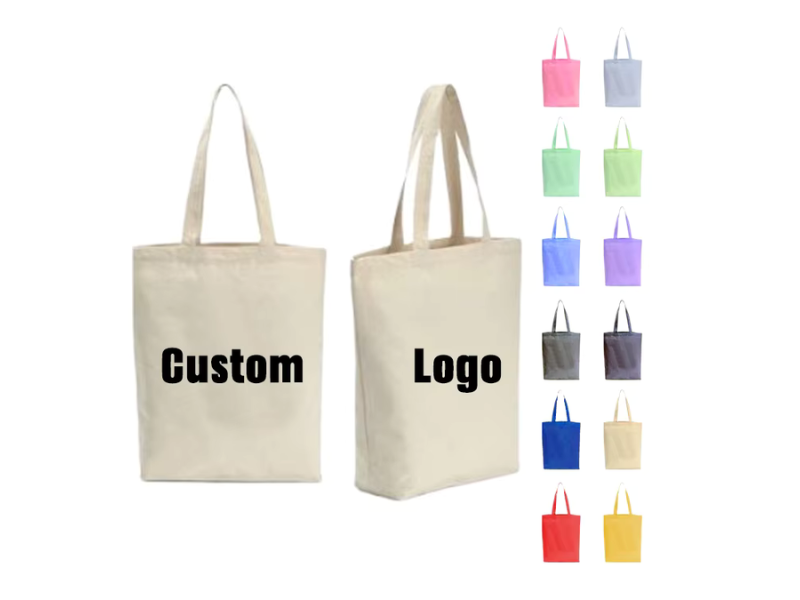
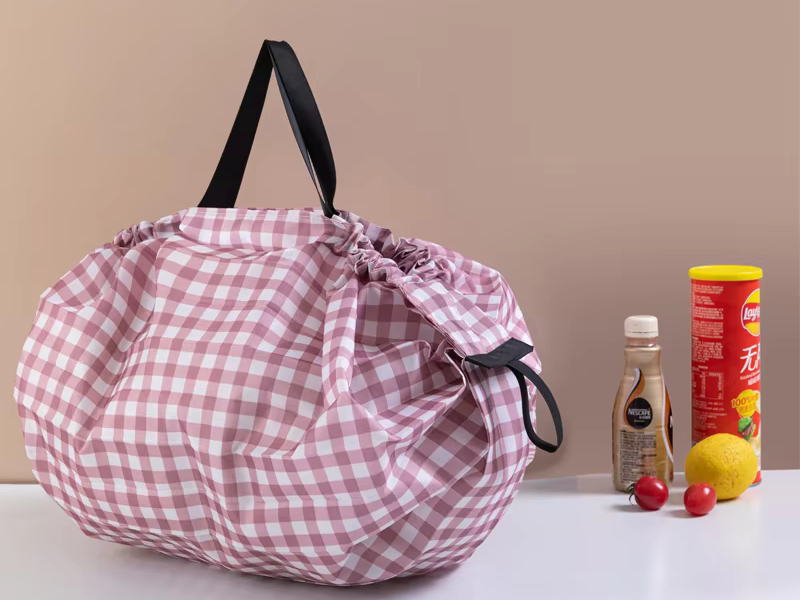
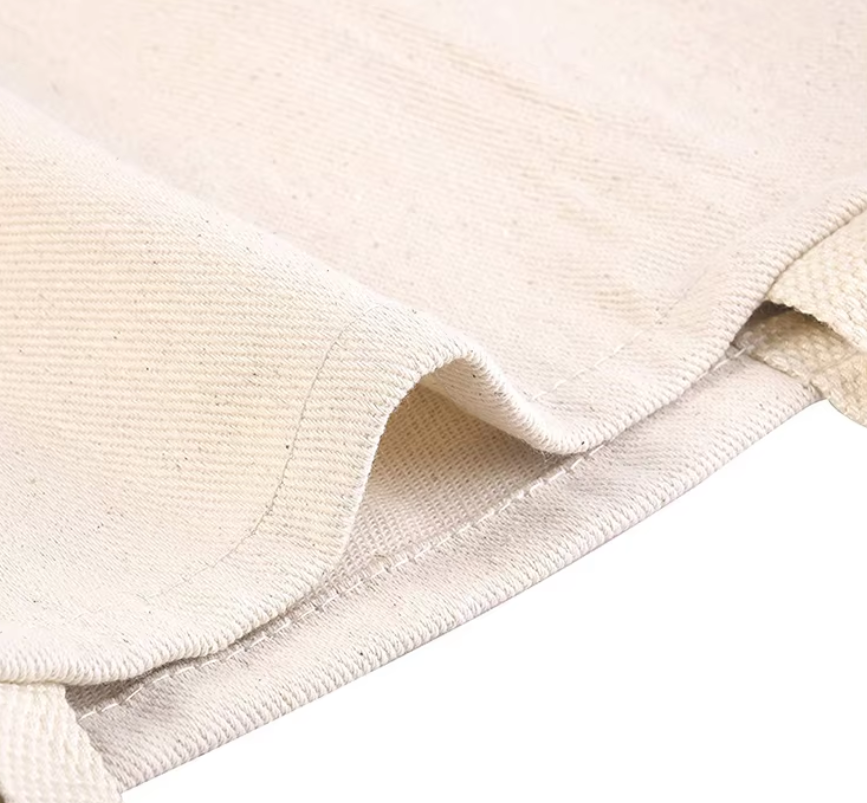
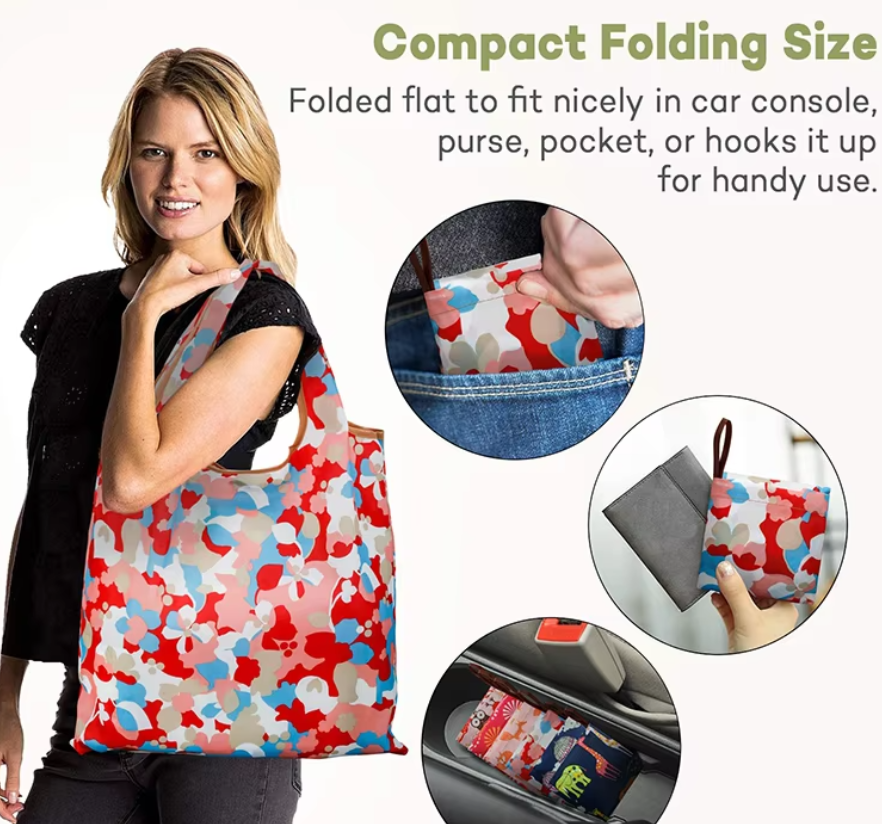
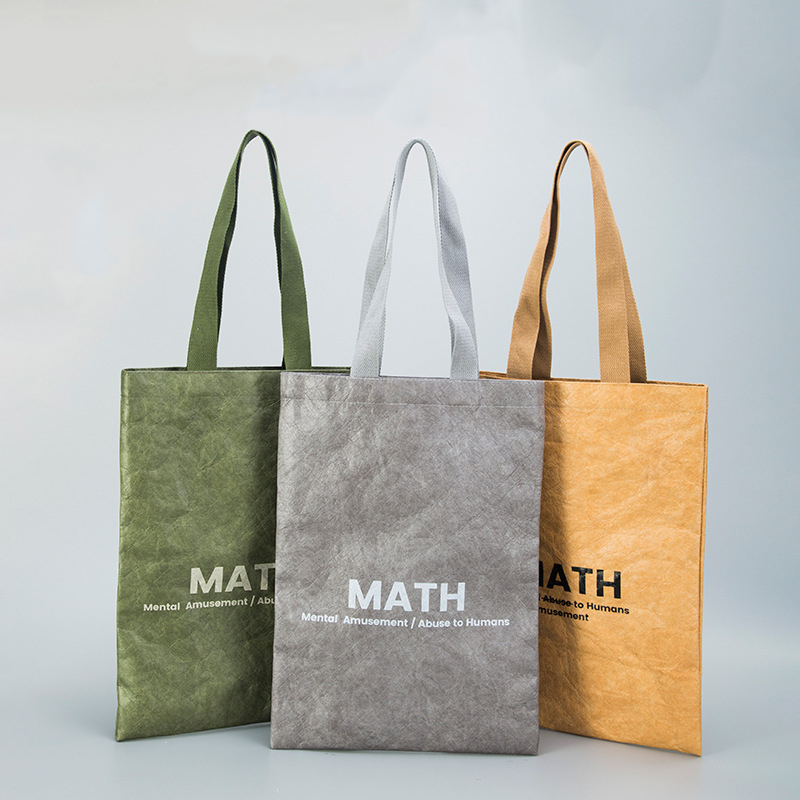
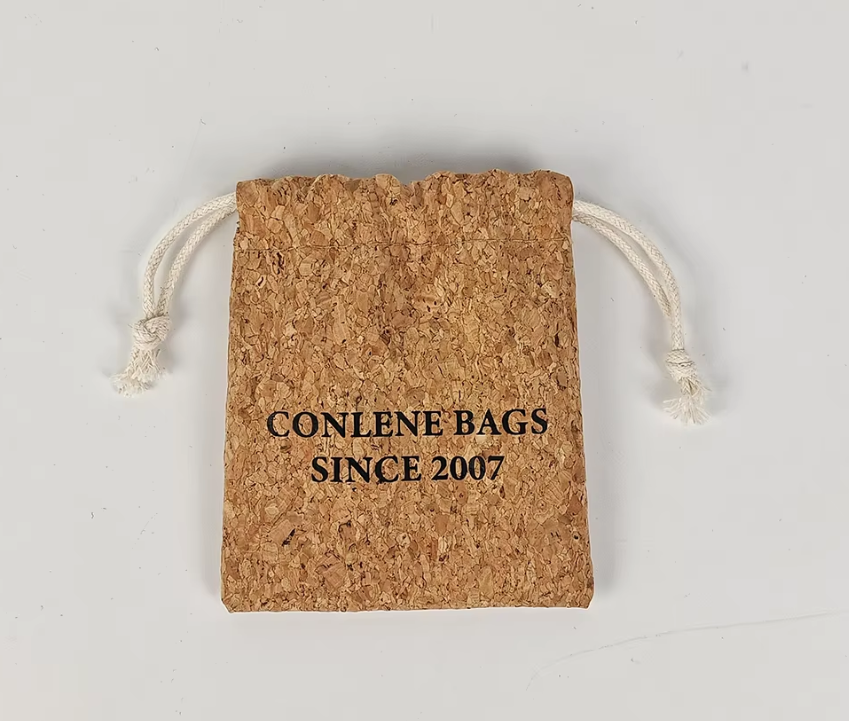
The decoration decision is where most custom bag programmes are won or lost. Five methods dominate the category — screen printing, DTF (direct-to-film) heat transfer, sublimation, embroidery and woven labels — and each one locks in different artwork limits, wash performance and cost structure that you cannot easily change after the pre-production sample is approved. Four variables drive the choice: artwork type, substrate, run length and how many washes the bag must survive. This guide lays out the full decision matrix, then walks through when each method wins, with the numbers a sourcing manager needs to defend the spec.
The five methods in one matrix
| Method | Best artwork | Substrate limits | Detail ceiling | Wash performance | Relative cost per unit | Comfortable run length |
|---|---|---|---|---|---|---|
| Screen printing (plastisol / water-based) | 1–4 flat spot colours, block logos | Cotton canvas, non-woven PP, jute, RPET | Halftones to ~50 lpi on canvas; 0.3 mm minimum line | Plastisol: 50+ washes; water-based: 20–40 | Lowest at volume; screen set-up per colour | 500+ units |
| DTF heat transfer | Photographic, gradients, white text on dark fabric | Most flat fabrics incl. canvas, denim | 1,200 dpi film print; smooth gradients | 20–40 washes before edge lift | Mid; per-print consumables | 50–2,000 units |
| Sublimation | Full-colour photographic | Polyester / RPET only | 300–600 dpi, no white ink available | 100+ washes; colour sits in the fibre | Mid; paper plus press time | 100–2,000 units |
| Embroidery | Logos, monograms, text | Mid-to-heavy fabric, 6 oz canvas and up | ~8 mm minimum letter height; stitch-count limited | 100+ washes if thread is colourfast | Highest per unit | 100–5,000 units |
| Woven label | Small logos, care marks, brand strips | Any fabric; sewn in | Fine detail at small size, loom-width limited | 100+ washes; sewn-in, not printed | Low per unit at volume; loom set-up | 1,000+ units |
Screen printing: the volume workhorse
Screen printing remains the default for big programmes because cost per unit falls faster than any other method once screens are made. Plastisol ink cures at 150–170 °C for 12–15 s and sits as a raised film on the fabric surface, giving dense opacity even on natural canvas; water-based ink soaks into the fibres for a softer hand, but needs a coarser mesh and reads lighter on dark grounds. On a flat tote panel, registration between colours holds at roughly ±0.5 mm, which is why 1–4 spot colours work cleanly while full-colour process prints on canvas show visible rosette patterns at typical halftone rulings of 40–55 lpi.
Two practical limits matter at the quoting stage. First, the weave eats fine detail — a 0.3 mm minimum line is a safe floor on 8 oz canvas, and 12 oz (about 400 GSM) demands heavier lines because the yarn surface is more irregular. Second, cure discipline decides durability: under-cured plastisol cracks after a handful of washes, while over-cured ink yellows on white fabric. That is why a wash-test on the pre-production sample is non-negotiable before bulk.
The three chemistries behind the screen row are different products. Plastisol — pigment suspended in plasticiser — stays wet until cured, so it prints dense and opaque on dark grounds but sits on the surface as a rubbery film that cracks on sharp creases. Water-based ink dries into the fibre for a soft hand and better crease survival at the cost of weaker opacity on dark fabric; discharge ink strips the fabric's own dye before depositing colour, giving soft bright prints on dark cotton in exchange for extra chemistry and vapour handling during cure. All three cure in the same 150–170 °C window, so match chemistry to fabric and hand-feel rather than habit.
Mesh count trades ink deposit against detail: a coarse mesh around 40–60 threads per inch lays a heavy film that bridges irregular weaves and holds pale colours on dark canvas, but its openings cannot support fine edges, while fine-line work needs 110–150 TPI, which holds crisp detail yet deposits a thinner film — so pale colours on dark grounds need higher-pigment inks or multiple strokes. Mesh, stencil and ink are a matched system: reconcile line weight, opacity and mesh count at the artwork stage, not at the press.
DTF and heat transfer: photographic detail without a screen
DTF solves the classic problem of full-colour prints on cotton canvas without investing in screens or a dyeing step. The artwork is printed onto PET film with CMYK plus a white underbase, dusted with adhesive powder, then transferred at 150–165 °C for 10–15 s at roughly 3.5–4.5 bar. The white underbase is what makes DTF work on dark or natural-coloured bags where sublimation cannot go. Practical ceilings: expect clean gradients and 1,200 dpi film detail, but budget for 20–40 wash cycles before the film edge starts lifting on high-abrasion areas like handle tops. Keep DTF prints on the flat body panels — a transfer across a gusset fold cracks early because the adhesive layer has no stretch.
Sublimation: colour that lives inside the fibre
Sublimation is the only method where the ink stops being a layer entirely. At 190–210 °C for 40–60 s, disperse dye converts to gas and bonds with polyester polymer chains, so there is no film to crack, peel or catch on seams. That makes it the strongest wash performer of the decorative methods — 100+ cycles with no print failure mode other than gradual substrate fading. The hard constraint is fibre chemistry: sublimation works on polyester and recycled polyester (RPET) only; cotton canvas rejects the dye. Two more limits: white cannot be printed (the substrate is the white), and paper shift during pressing causes ghost edges, so artwork should carry a 3–5 mm buffer zone. For photographic brand work on RPET tote bags, sublimation is usually the most defensible spec.
Embroidery and woven labels: texture that survives
When a logo must feel premium in the hand, embroidery is the benchmark. Digitising converts artwork into stitch paths, and cost tracks stitch count — a typical chest-size logo runs 400–800 stitches per 10 cm², with denser fill areas costing more and stiffer fabric handling better. Minimum letter height is about 8–10 mm before legibility collapses, and a cutaway backing stabilises the design on canvas while tearaway suits thicker fabric. Embroidery is also the most forgiving on handle bars and edges because the needle pierces rather than bonds.
Woven labels take the opposite trade: they excel at tiny, intricate detail — small text, care symbols, brand strips — woven on narrow looms at widths from roughly 20–80 mm. The label is sewn in, so it survives the full life of the bag, and at volume it becomes one of the lowest per-unit decoration costs available, limited mainly by the loom set-up charge and the labour of attaching it.
Durability: what survives 50 wash cycles
| Method | Typical wash survival | First failure mode | Best carrier fabric |
|---|---|---|---|
| Screen, plastisol | 50+ cycles | Cracking if under-cured | Canvas, non-woven PP |
| Screen, water-based | 20–40 cycles | Gradual fade | Light canvas |
| DTF transfer | 20–40 cycles | Edge lift, peeling | Canvas, denim |
| Sublimation | 100+ cycles | Substrate fade | Polyester / RPET |
| Embroidery | 100+ cycles | Thread abrasion | 6 oz canvas and up |
| Woven label | 100+ cycles | Stitching at label edge | Any |
If the bag is a promotional giveaway destined for a desk drawer, DTF or water-based screen printing is usually fine. If it is a retail carrier that customers will wash repeatedly, push the spec toward plastisol, sublimation on RPET, embroidery or a woven label — and always verify with a wash test on the golden sample rather than trusting the datasheet.
Cost and run length: when each method wins
Cost structure separates the methods more than the price per piece. Screen printing is set-up dominated: each colour costs a screen, so unit cost falls steeply as volume climbs past roughly 500 pieces. DTF and sublimation carry no screen cost but pay per print in film, adhesive and paper, making them attractive in the 50–2,000 unit band where screen set-up would dominate. Embroidery pays for digitising and hooping labour, so it competes best on short runs of premium bags. Woven labels demand loom set-up but deliver the lowest per-unit decoration cost on runs of 1,000+. The lesson for buyers: match the run length to the method's cost curve, not to what the last supplier happened to offer.
Choosing your method in four questions
Is the artwork flat spot colours or photographic?
-
Block logos of 1–4 colours point to screen printing; gradients and photos point to DTF or sublimation.
What is the substrate?
-
Polyester or RPET opens up sublimation; cotton canvas narrows the field to screen, DTF, embroidery or woven labels.
How many washes must the bag survive?
-
Under 30 cycles, any method passes; over 50, sublimate, embroider, weave the label or use a properly cured plastisol.
What is the run length?
-
Under 500 units, favour DTF or sublimation; over 500, screen printing and woven labels take over the cost curve.
Wenzhou Conlene Bags Co., Ltd. has run all five methods across its canvas, non-woven and RPET lines for 20+ years, with 4-stage in-house QC covering artwork checks through finished-goods testing. Send your artwork and a wash specification to the team via our customization service page — the factory will recommend a method, print test swatches and confirm wash performance on a pre-production sample before you commit to bulk. For programme details, run lengths and sampling schedules, contact Conlene directly and the development team will respond with a structured quote within two working days.