 EN
EN

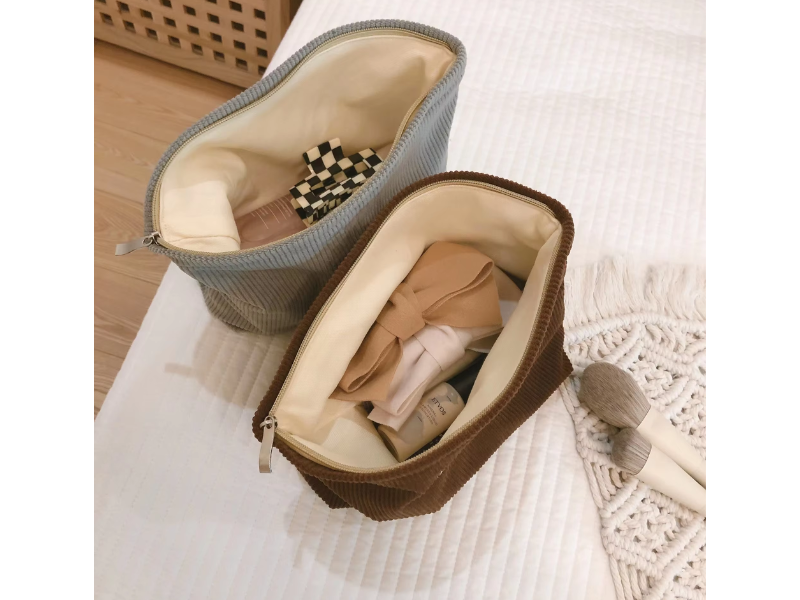
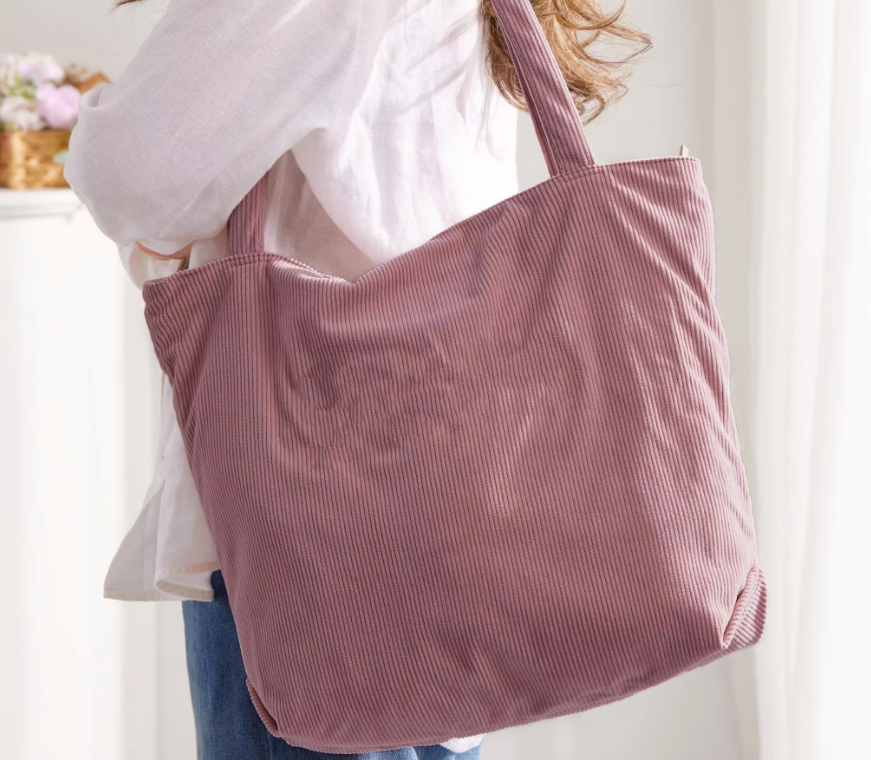
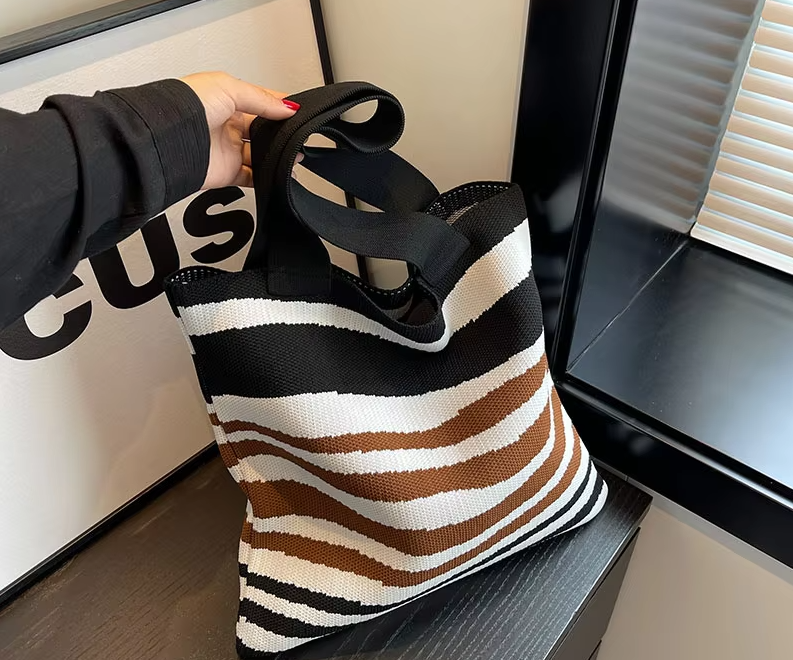
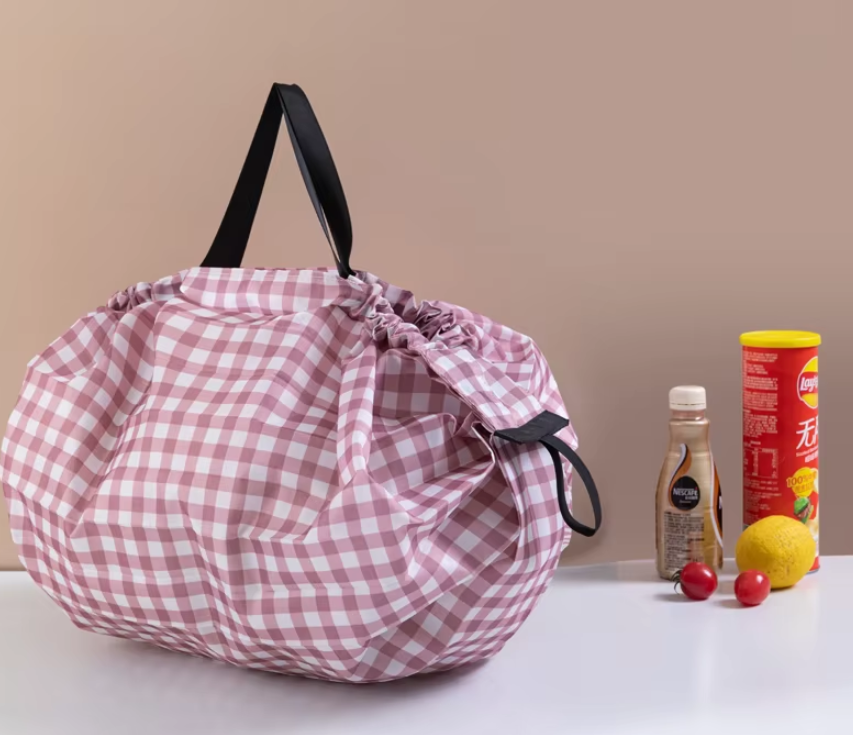
When a programme needs a synthetic material, the decision usually narrows to three names: polyurethane (PU) leather, Tyvek, and PVC. They look nothing alike, cost differently, and — critically — carry very different compliance profiles in regulated markets. This comparison breaks the triangle into the four axes that actually decide a sourcing programme: durability under use, chemical exposure, recyclability, and cost per unit relative to the life the bag delivers.
The triangle at a glance
| Property | PU leather (on knit backing) | Tyvek (spunbonded HDPE) | PVC (coated or calendered) |
|---|---|---|---|
| Typical weight for bags | 300–600 GSM composite | 40–90 GSM (Type 14 / 1050D–1073D) | 400–700 GSM composite |
| Abrasion resistance | Good surface; backing-driven tear | High tear strength; low stretch | Excellent surface toughness |
| Phthalate / plasticiser exposure | None in standard PU formulations | None — no plasticiser | PVC requires plasticisers; phthalate risk |
| Water behaviour | Water-resistant coating | Water-repellent but breathable | Fully waterproof |
| Print compatibility | Excellent, leather-like | Good; special inks recommended | Excellent |
| Recyclability | Backing must be separated | HDPE — technically recyclable, rarely collected | Difficult; chlorinated polymer |
| Relative cost per unit | Middle | Low-to-middle | Low per unit; higher compliance overhead |
PU leather: the backing is the structure
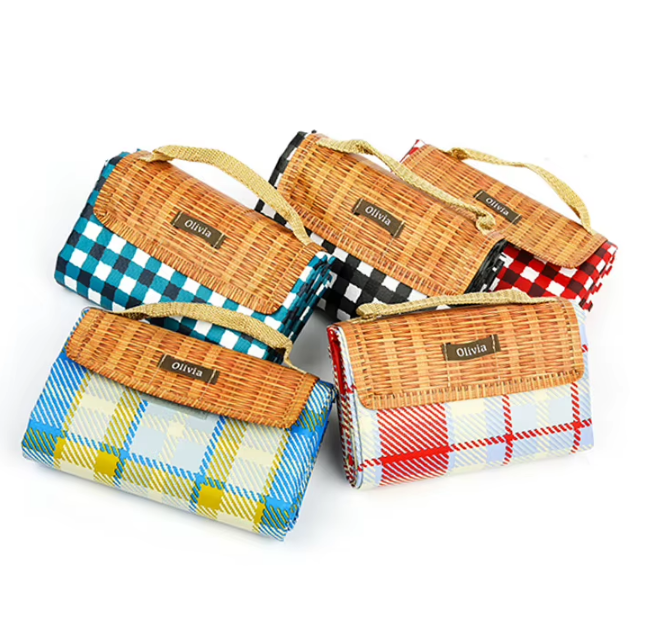
PU leather is a polyurethane coating on a fabric backing, and the backing determines everything the sample photo cannot show. Standard PU on a thin knitted or woven backing is a fashion material: it looks like leather, prints beautifully, and is perfectly adequate for a cosmetic bag or a gift tote carried occasionally. But when the coating cracks or the backing tears — typically at crease lines and handle joints — the failure is almost always the backing or the coating thickness, not "PU leather" as a concept. Microfibre PU, where the coating bonds to a fine non-woven microfibre base, is significantly tougher and closer to real leather in hand-feel, at a higher cost tier. For load-bearing bags, specify coating thickness (commonly 0.5–1.5 mm on a 200–300 GSM backing) and ask for flex resistance data — a standard flex test of tens of thousands of cycles at room temperature is a reasonable benchmark.
The coating itself is a layered build: PU applied by wet casting coagulates in a water bath into a microporous structure that breathes and flexes like leather, while dry casting is cheaper, smoother and less breathable, with a thin coloured skin layer carrying the grain. The ageing risk is hydrolysis: polyester-based polyurethane degrades under moisture and heat, so a bag kept in humid warehouses or shipped repeatedly through the tropics loses surface strength before cracks appear, while polyether-based PU resists hydrolysis far better — ask for the base chemistry and accelerated hydrolysis data, because "PU" on a datasheet is not one material.
Tyvek: the polyolefin paper that refuses to tear
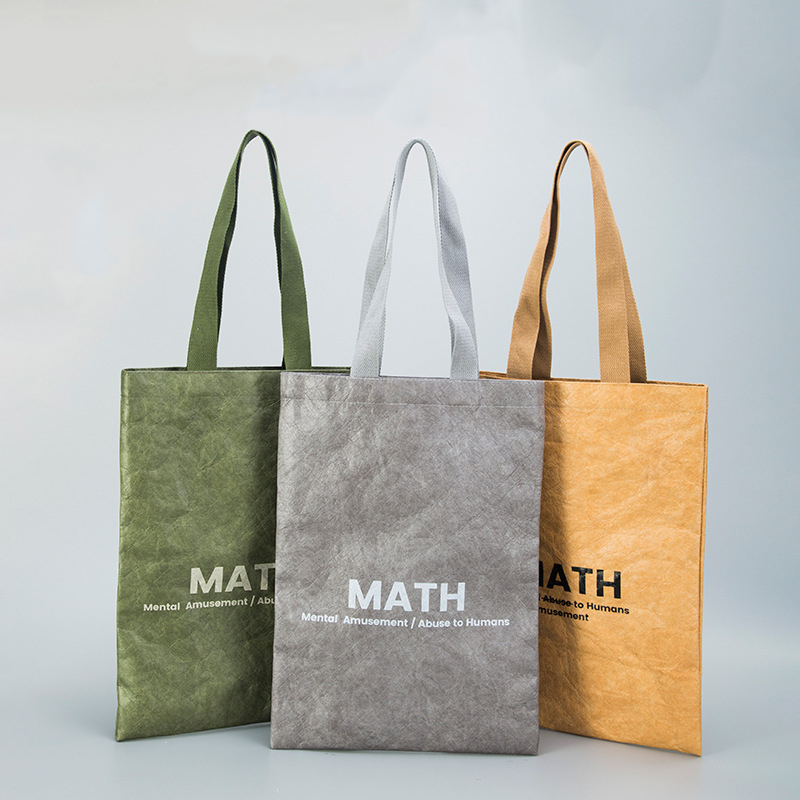
Tyvek is flash-spun high-density polyethylene — a proprietary material with generic spunbonded-HDPE alternatives available — and it behaves like nothing else in the triangle. It is exceptionally tear-resistant for its weight, which is why 60–90 GSM Tyvek handles like a much heavier fabric, it is water-repellent yet breathable, and it has a distinctive papery crinkle that some brands treat as a design feature. Its limits are the flip side of its strengths: it does not stretch, so fit must be exact; seams are best made with reinforced tape or specific Tyvek-compatible stitching (a standard needle can leave oversized holes); and printing needs specially formulated inks, with screen printing and flexo on Tyvek being mature processes while some digital inks fail to adhere. Tyvek totes are the lightest, most packable option in the triangle — a 60 GSM bag weighs about half of a 340 GSM canvas bag of the same size. It also comes in two structural variants that matter for bags: the stiff, paper-like "hard" structure suits tags, covers and packaging, while the drapey, fabric-like "soft" structure is the one to specify for totes — it folds, sews and carries like cloth. Put the structure and basis weight (60, 75 or 90 GSM are the common bag grades) in writing, because a sample photo cannot tell the two apart.
Because Tyvek is flash-spun HDPE, its fibril web holds stitches differently from woven canvas: heat sealing fuses the fibrils into a bond close to the sheet's own strength, making it right for straight edges and handle ends, while stitching displaces or cuts fibrils, so sewn seams want a longer stitch length and a ballpoint needle that pushes the web aside rather than slicing it, plus tape reinforcement where the seam takes load. Heat-seal where the design allows, stitch where the seam must open or flex, and keep sharp needles away from load-bearing handles.
PVC: unmatched toughness, unmissable compliance baggage
PVC (polyvinyl chloride) delivers genuinely excellent surface durability — waterproof, abrasion-resistant, easy to wipe clean — which is why it dominates luggage tags, rain gear and heavy utility bags. The problem is chemical, not mechanical: PVC requires plasticisers to be flexible, and the plasticiser family historically associated with PVC — phthalates — is restricted or banned in children's products and food-contact applications across the EU and in many US states. Phthalate-free PVC exists, using alternative plasticisers such as DINCH or DOTP, but it costs more and still carries the chlorinated-polymer end-of-life problem. If a programme can use PU instead, the compliance argument usually wins; if the application truly demands PVC's toughness, budget for restricted-substance testing on every component, not just the main fabric.
Phthalates, REACH and restricted-substance exposure
This is the axis where materials get disqualified. REACH, the EU chemicals regulation, restricts phthalates (DEHP, DBP, BBP, DIBP) at 0.1% by weight in plasticised materials, and similar rules apply in other markets. PU and Tyvek are naturally free of plasticisers, which is a structural advantage: their compliance path is about dyes, coatings and print inks rather than the base polymer. PVC's path runs through plasticiser choice, and the burden of proof sits with the buyer — request restricted-substance test reports per component (fabric, thread, zipper, print ink) and confirm the lab test method. A supplier oriented to EU markets, like the AZO-free, non-toxic stance Conlene applies across its finished goods, should produce these documents from the raw-material inspection stage onward.
Recyclability and end-of-life reality
The honest end-of-life picture is unflattering across all three. PU leather is a laminate: coating and backing must be separated before any recycling, so most of it lands in mixed-waste streams. Tyvek is technically recyclable as HDPE, and some brands run take-back programmes, but kerbside collection rarely accepts it — treat "recyclable" as "recyclable in principle". PVC is the hardest case: the chlorine content complicates incineration and recycling, and legacy PVC in landfill has a poor environmental reputation even where current production is modern. If the programme's sustainability claim depends on end-of-life, none of the three is a strong story alone — consider how the bag's reuse life (Tyvek's 100+ cycle capability, PU's leather-like longevity) offsets the end-of-life picture before choosing.
Cost per unit and best-fit applications
| Application | Best fit | Why |
|---|---|---|
| Cosmetic and travel pouches | PU leather | Print quality, soft hand-feel, mid cost tier |
| Premium branded totes | PU leather (microfibre) | Leather aesthetic without animal material |
| Packable retail / event bags | Tyvek | Lightweight, tear-resistant, distinctive texture |
| Document and garment carriers | Tyvek | Water-repellent, durable, printable |
| Heavy utility / rain-resistant gear | PVC | Waterproof toughness at low material cost |
| Children's or food-adjacent programmes | Avoid PVC | Phthalate restrictions make testing overhead high |
Relative cost ordering across the triangle, per unit: PVC typically lowest raw-material cost but highest testing overhead in regulated markets; Tyvek low-to-middle with excellent weight-to-performance; PU leather middle, rising sharply for microfibre constructions. The cheapest material on the price list is not the cheapest material in the programme once compliance testing and failure rates are priced in. One more pricing reality: sewing cost can dominate the comparison at low weights. A 60 GSM Tyvek tote and a 600 GSM PU composite bag may take the same number of stitches, so the fabric-cost gap shrinks as a share of the total unit cost — which means this is really a durability-and-image decision, not purely a materials-cost decision.
Choosing for your programme
Run the use case through three questions: What must the bag survive (flexing, water, abrasion, weight)? Which markets will it enter (does phthalate exposure disqualify PVC)? How will the end-of-life story be told? Then sample the shortlist — PU leather for leather-look programmes, Tyvek for light-and-tough programmes, PVC only where its waterproof toughness is genuinely required. Wenzhou Conlene Bags produces all three constructions with restricted-substance testing aligned to EU market expectations, so the compliance paperwork is generated in-house rather than assembled after the fact. Compare the PU leather bag range, Tyvek bag range and PVC bag range, then describe your end use and target markets at https://www.conlenebag.com/contact for a material recommendation that weighs durability, compliance and cost together.