
 EN
EN
![Fashion-Fabric Tote Sourcing: Lock Shrinkage First [B2B Guide]](https://shopcdnalpha.grainajz.com/category/59553/3865/5e0dc42180dd262b084e1d24dcabef50/19098d30-7354-48ca-a300-7deb5f25dc4c.jpg)
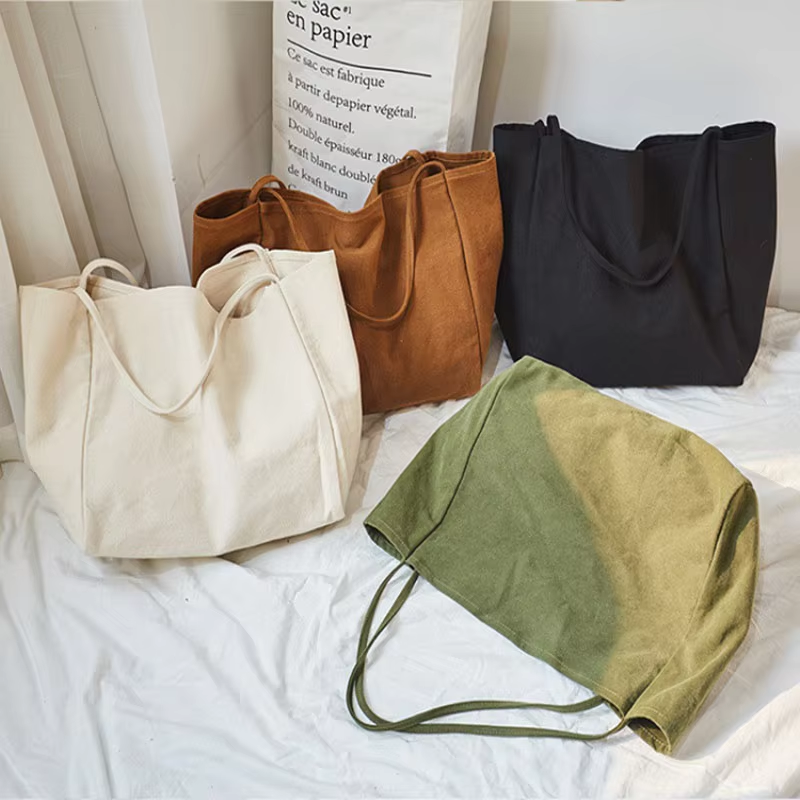
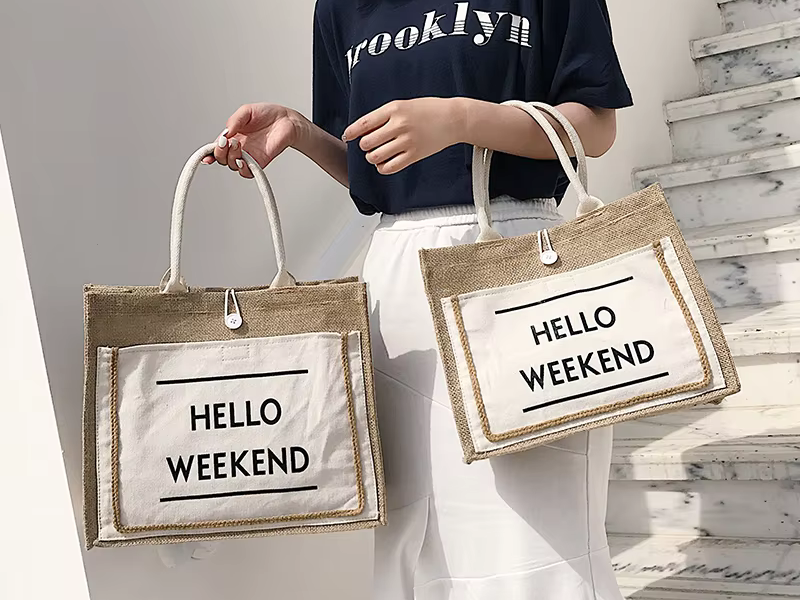
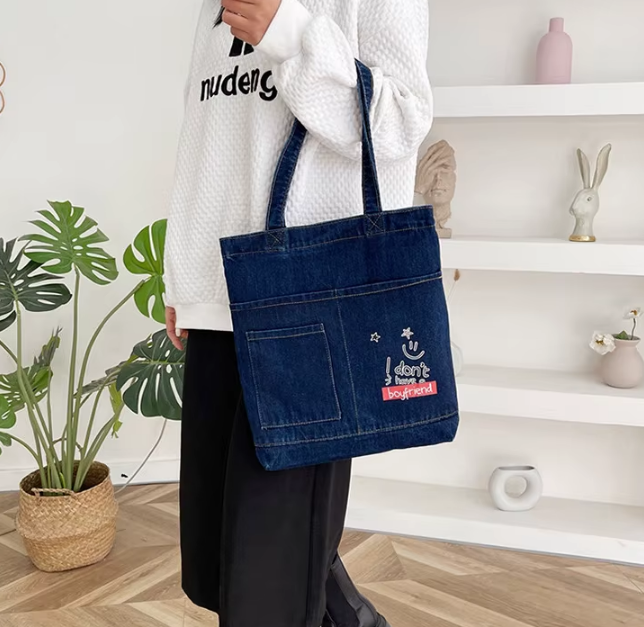
Fashion-fabric totes — denim, corduroy, quilted — fail in a way printed canvas totes almost never do: they change shape after the first wash or the first humid season. A 40 cm tall denim tote that arrives at the customer as a 38 cm tote is not a quality complaint, it is a shrinkage story that started with an underspecified fabric order. The rule for this category is brutal and simple: lock shrinkage before you discuss colour, and lock the fabric construction — oz weight, wale count, loft — before you discuss price. This guide gives a sourcing sequence for all three materials that keeps the finished bag the size it was sampled.
Lock shrinkage first
Cotton-based fashion fabrics shrink, and the range is wide enough to ruin a specification. Raw (unwashed) denim can shrink 5–8% in the first wash; pre-washed denim typically settles to 1–3%; corduroy behaves similarly depending on whether it was sanforised. Quilted fabrics carry a double risk because the shell fabric and the wadding can shrink at different rates, which distorts the quilt pattern. Write the tolerance into the purchase order — a ±3% dimensional tolerance on finished bag height and width is a workable commercial standard — and specify the fabric treatment at the mill: sanforised or pre-washed for denim and corduroy, and pre-shrunk wadding for quilted constructions. Sample in the same state the bulk will ship: a sample cut from unwashed fabric and a bulk cut from washed fabric are two different products.
Denim: oz weights and wash treatments
Denim for bags runs roughly 10–14.5 oz, lighter than the 16+ oz of classic jeans. Ten-ounce denim gives a soft, drapey tote suited to fashion retail; 12–13 oz is the practical middle for a tote that carries a laptop plus daily load; 14.5 oz is heavy, stiff and slow to cut — expect higher labour cost per unit and plan for a firmer construction. Wash treatments drive both look and behaviour: stone-washed denim is softer and pre-shrunk but slightly weaker at the seams; enzyme washes give a vintage fade with less abrasion damage; dark rigid denim looks premium but will crock — rub colour onto light clothing — until it is washed. If the bag must keep a deep indigo look, specify a pigment or reactive-dyed shade on a pre-washed base rather than raw rigid denim. The weave deserves a spec line too: standard denim is a 3×1 twill with a diagonal face, while a 2×1 twill is lighter and broken twill changes drape and fade character; and because denim is conventionally sold by weight per linear yard in the jean trade, state the GSM (roughly 340 GSM at 10 oz) in the bag spec to avoid a yard-versus-metre mismatch at the mill.
Corduroy: wale counts and nap direction
Corduroy is measured in wales per inch — the number of lengthwise ribs. An 8-wale corduroy is chunky and casual; 11-wale is the classic mid-weight; 16–21 wale approaches a fine, velvet-like surface. Wale count changes cost and print: fine wales print more sharply, while wide wales demand bold, simple artwork because ink bridges the channels unevenly. The sourcing detail most buyers miss is nap direction — corduroy has a one-way pile, so panels must be cut in a consistent direction or adjacent panels will reflect light differently, making the bag look patchy. State "all panels cut with nap in the same direction" on the spec, and expect slightly higher fabric consumption because of it — typically 5–10% more on a patterned or large tote, a cost to budget at quoting rather than discover at pattern-making. Corduroy also shrinks differently along the wale than across it, typically 2–4% lengthwise, so a pre-shrunk or sanforised base is worth its cost on any multi-panel bag.
| Fabric construction | Key spec numbers | Shrinkage control | Typical end use |
|---|---|---|---|
| Denim 10–12 oz | 340–400 GSM | Pre-washed or sanforised; ±3% tolerance | Fashion retail, casual carry |
| Denim 14.5 oz | ~490 GSM | Pre-washed; bar-tack all stress points | Heavy-duty premium totes |
| Corduroy 8–11 wale | 280–360 GSM | Sanforised; nap direction consistent | Casual and retro-brand programmes |
| Corduroy 16–21 wale | 250–320 GSM | Sanforised; finer print detail possible | Dressier, premium merchandise |
| Quilted shell + wadding | Shell 200–300 GSM, wadding 80–200 GSM | Pre-shrunk wadding; 2–3% tolerance | Winter accessories, gift ranges |
Quilting: loft and stitch density
Quilting is a composite: an outer shell, a wadding layer, and a backing, stitched together in a pattern. Two numbers define it. Loft is the thickness of the wadding — commonly 80–200 GSM of polyester wadding, giving 3–8 mm of visible loft — and stitch density is the pattern spacing, typically 3–6 cm between stitch lines. Dense quilting (tight 3 cm spacing) traps the wadding firmly, resists washing distortion, but makes the bag heavier and stiffer; loose quilting (6 cm+ spacing) is softer but the wadding can shift and bunch. Stitch quality shows on quilting more than any other bag type: skipped stitches or tension differences are immediately visible as puckered pattern lines, so specify stitch density per pattern and inspect the pre-production sample for pattern registration. Diamond quilting at 4–5 cm spacing on a 200 GSM wadding is a reasonable benchmark for a soft-yet-structured tote.
Lining and interlining: controlling hand-feel and stability
Fashion totes rarely ship as single-layer fabric. A lining (typically 200–260 GSM cotton or polyester) hides seams and protects contents; an interlining — a fusible or non-woven layer between shell and lining — is what gives a quilted or lightweight denim bag its stand-up structure. Specify the interlining weight in the same breath as the shell: a 10 oz denim tote with no interlining will slump like a laundry bag, while the same shell with a medium-weight interlining stands up as a structured carrier. Ask for the full build in writing — shell, interlining, lining, wadding if quilted — because quoting "denim tote" alone leaves every layer undefined. One construction note completes the picture: match thread and lining to the shell's shrinkage behaviour. If the shell is pre-washed but the lining is not, the first customer wash can pucker the bag into a dome — a classic defect that looks like a sewing fault but is actually a materials mismatch. Specify that all components, including zipper tape if present, are pre-shrunk to within the same tolerance band.
Colour fastness and crocking across washes
Indigo is a pigment that sits on the yarn surface rather than inside it, so dark denim crocks — transfers dye — especially when new. For consumer programmes, specify a wash-fastness grade of 3–4 on the grey scale and warn that the first wash will shed dye; for light-coloured linings, choose a lining that does not show crocking, or pre-wash the denim before assembly. Corduroy dyed with reactive dyes is more stable than indigo, but the pile surface still shows wear-pattern fading at high-traffic crease points — a character feature in casual ranges, a defect in formal ones. Verify both wash fastness and crocking on the pre-production sample before bulk cutting.
Ordering checklist for fashion-fabric totes
Before you issue a purchase order:
-
fabric treatment stated per component — sanforised or pre-washed shell, pre-shrunk wadding, interlining weight
-
dimensional tolerance of ±3% on finished size
-
nap direction and pattern-lay instruction for corduroy
-
quilting pattern and stitch density
-
wash-fastness and crocking grades
-
bar tacks at handle joints and base corners
Wenzhou Conlene Bags cuts these constructions from inspected fabric intake with the same 4-stage QC flow applied across its range, so a shrinkage or nap-direction defect is caught before cutting rather than after a container lands. Browse the denim bag range, corduroy bag range and quilted bag range for build references, then send your target dimensions and wash expectations to https://www.conlenebag.com/contact to start the sample discussion.