 EN
EN


Buyers often group cork and washable kraft paper together because both look "natural", both carry a vegan story, and both are relatively new to mass bag production. The similarity ends there. Cork is a slow-growing bark with genuine leather-like durability; washable kraft is a wet-strength paper engineered to survive washing machines. They fail in different ways, print in different ways, and cost in different ways. Understanding exactly how each one ages — not how it looks in a sample photo — is the difference between a programme that delights and one that generates returns.
Cork: harvesting and the raw material
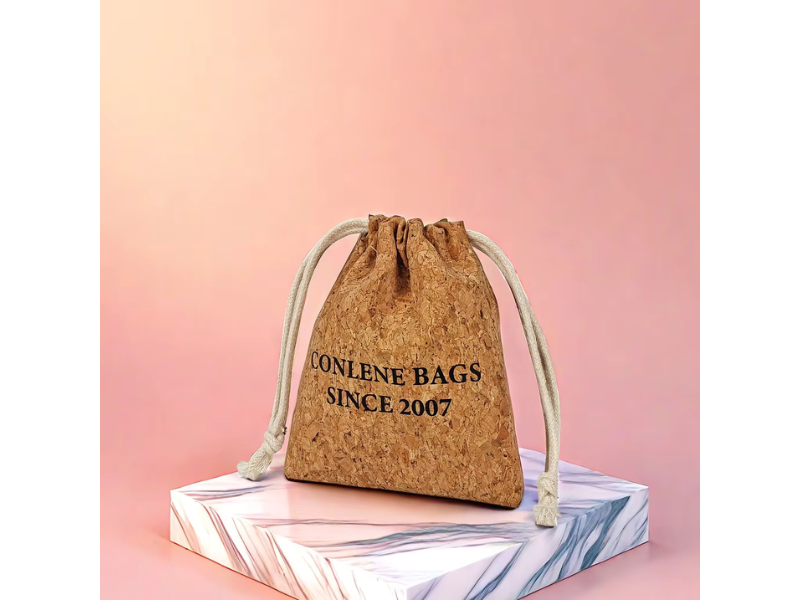
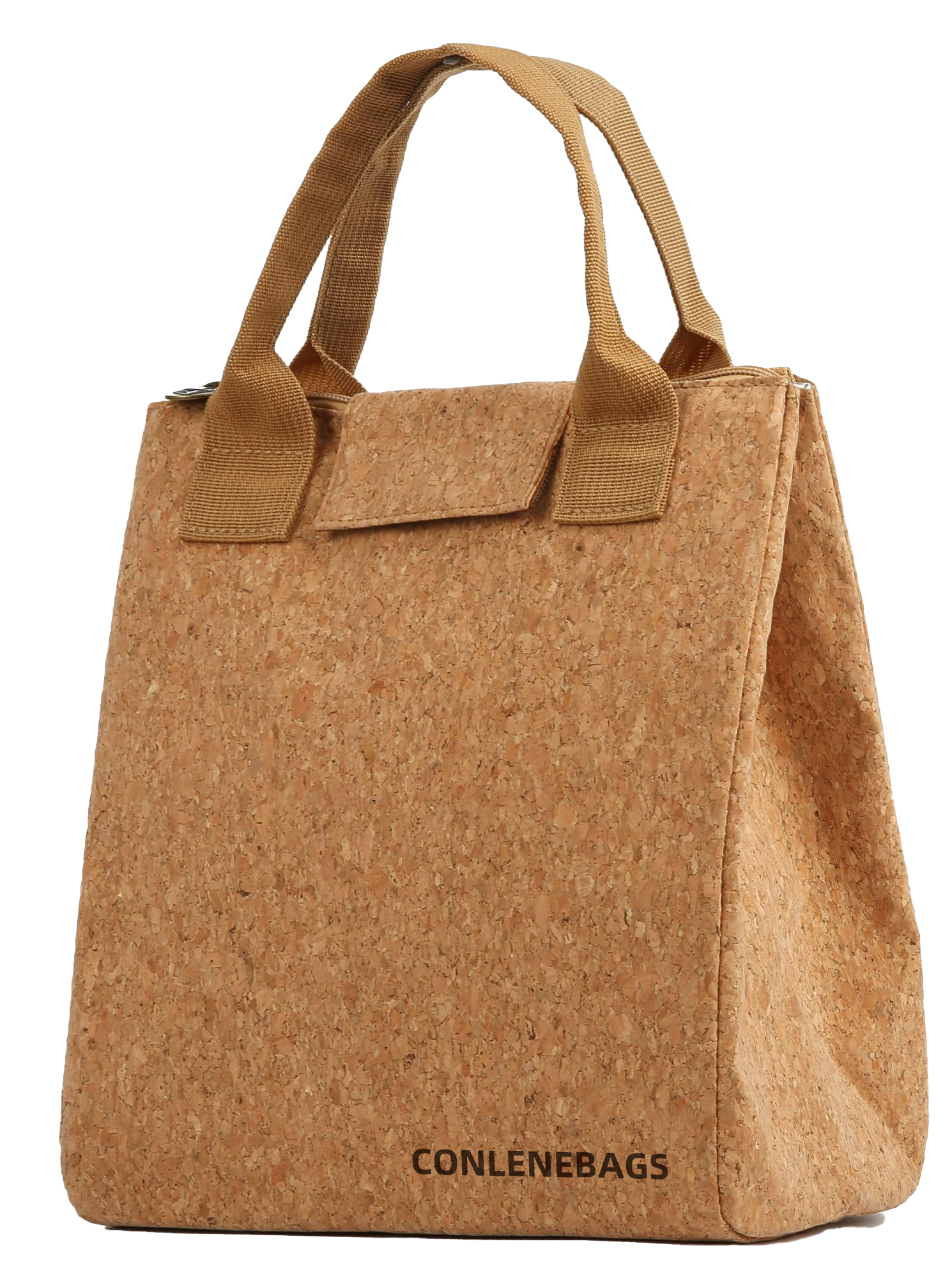
Cork comes from the bark of the cork oak, harvested by hand every 9 years once the tree reaches maturity at around 25 years old, in a cycle that does not harm the tree. After harvest the bark is boiled, flattened and graded; the first harvest produces lower-grade "virgin" cork, while later harvests yield finer material. For bags, the cork you see is almost always a laminate: a thin layer of cork veneer bonded to a backing fabric, typically cotton or a cotton-polyester blend. The veneer thickness usually runs 0.3–1.0 mm on a backing of 200–300 GSM, and the backing is what actually carries the load — the cork is the surface, not the structure. Because the harvest cycle is measured in years, supply moves slowly: grades fluctuate with rainfall and bark quality, and a decade of growing demand cannot be answered quickly with new production. That makes it a sourcing consideration — confirm grade availability early for large programmes, and treat "cork" as a family of grades rather than a single material, with the higher, denser grades reserved for premium bag programmes while lower grades feed insulation and flooring markets.
The harvest interval also sets the quality ladder: the first "virgin" harvest is coarse and woody and mostly feeds insulation and agglomerated cork, while later cycles yield finer, denser bark that engraves more cleanly under the laser. Veneer thickness then sets flexibility: a 0.3–0.5 mm veneer drapes like a soft textile and suits fold-over totes, while 0.8–1.0 mm is stiffer and better on flat panels that do not flex.
Cork backing and durability parameters
Because the backing does the structural work, spec the backing first. A cork bag with a cotton backing around 240 GSM and a cork veneer of 0.6–0.8 mm is a reasonable light-to-mid carry spec; if the programme demands heavy grocery duty, consider a reinforced lining or a thicker backing rather than a thicker cork layer, because thick cork cracks at crease points. Handle attachment needs bar tacks (8–12 mm) and a webbing or self-fabric handle sewn through both veneer and backing. Cork is naturally water-resistant on the surface but not waterproof — standing water can stain the veneer, and the backing will wick moisture, so line the interior for wet-content programmes.
Printing and branding on cork
Cork's surface rejects conventional thinking about print. Screen printing works but the ink sits on an irregular, porous texture, so fine detail is unreliable; bold logos and simple typography in 1–3 spot colours are the practical envelope. The signature treatment is laser engraving, which burns a dark, permanent mark into the cork surface with no ink at all — ideal for serialised or monogrammed gifts. Debossing (pressed impression) also works well and reads as premium. If the artwork needs photographic detail, consider a separate woven or printed label sewn onto the bag rather than printing directly on the cork.
Washable kraft paper: what it actually is
Washable kraft is not coated paper and not plastic film pretending to be paper. It is a wet-strength paper, typically 80–150 GSM base, engineered with long wood fibres and a wet-strength resin system so it survives repeated washing and drying — the category long established by industrial washable paper packaging, though generic and branded versions now come from multiple mills. In a bag, washable kraft offers the look and printability of paper with enough toughness to be laundered, which is its entire reason to exist: a paper bag that can be washed and reused is a genuinely different sustainability story from a paper bag that disintegrates in rain. The production route shapes the story: some washable kraft starts from virgin wood fibre with the wet-strength system applied at the paper machine, while recycled-content versions exist with correspondingly shorter fibres — which affects both tear strength and how many washes the sheet survives. Ask for the base paper weight and the treatment; a 120 GSM sheet with proper wet-strength resin will noticeably outlast an 80 GSM sheet with a lighter treatment.
Tear strength, wash cycles and shrinkage
The numbers that matter for washable kraft: dry tear strength is high for a paper product but still lower than textile, so handle joints and bottom corners are the weak points; wash resistance is typically quoted in cycles, with 10–30 machine washes at 30 °C a reasonable expectation range before the surface begins to fuzz or the fibres soften; and shrinkage after the first wash can reach 3–5%, so the pattern must be cut with wash allowance. Air-drying, not tumble-drying, extends life. Stitch detail matters more on washable kraft than on any textile: the paper fibres tear progressively around a stitch line once the first needle hole is stressed, so specify bar tacks of 8–12 mm at every handle joint, a reinforced bottom fold, and a 5 mm corner radius instead of square corners to measurably reduce tear initiation. Fold lines are the second weak point — the base crease and top hem take the most flexing, so a folded-and-hemmed construction beats a raw edge. Compare that against cork, which should never go in a machine at all:
| Property | Cork (veneer on 240 GSM cotton backing) | Washable kraft paper (100–120 GSM) |
|---|---|---|
| Machine wash | Never — hand wipe only | 10–30 cycles at 30 °C, air dry |
| Tear resistance | Backing-driven; similar to medium canvas | Lower than textile; reinforce joints |
| Water behaviour | Surface-resistant, backing wicks | Wet-strength treated; not a waterproof membrane |
| Shrinkage risk | Low on veneer; backing may shrink slightly | 3–5% first-wash shrinkage; cut with allowance |
| Print surface | Porous; laser engraving recommended | Paper-smooth; high print quality |
| Ageing | Gradual surface wear, patina | Softening, edge fuzz after many washes |
The first wash changes the sheet permanently: wet-strength resin gives fresh paper a crisp stiffness, but the first machine cycle relaxes the fibre network and the bag emerges softer and textile-like, staying that way. Design the handle for that post-wash panel — reinforce the base with a folded patch or webbing and confirm post-wash dimensions on a pre-washed test panel, because a short tack sewn into the crisp sheet loosens as the softened panel shifts.
Ageing: how each material changes over two years
Cork ages like leather: the surface develops a patina, light scratches blend in, and with care a cork bag looks better at 24 months than at 2 weeks — which is why the material suits premium gift and long-life programmes. Washable kraft ages in the opposite direction: fresh out of the box it looks crisp and boutique, but after 20–30 washes the surface softens, corners round, and the paper texture becomes more fabric-like. Neither is a failure mode — both are expected ageing — but they need different messaging. If the programme promises "gets better with use", cork delivers; if it promises "keeps its shape through the season", washable kraft with a structured interlining is the safer claim.
Matching material to programme
Choose cork for: corporate gifts, premium retail merchandise, and any programme where a leather-like aesthetic must stay vegan, with sampling focused on veneer thickness and backing weight. Choose washable kraft for: packaging-to-reusable transitions, retail carriers that must print beautifully, and programmes where wash-and-reuse is the marketing hook. Wenzhou Conlene Bags has run both materials through its four-stage QC flow, from raw-material inspection to finished-goods testing, and can develop either construction — including the wash allowance and bar-tack details that keep the weak points from failing early. See the cork bag range and the washable kraft paper bag range for construction references, then describe your target use and wash expectations at https://www.conlenebag.com/contact to get a material recommendation grounded in your programme, not a catalogue photo.