
 EN
EN



How Thermal Lunch Bags Work: Insulation Science and Key Features
The three heat transfer barriers: conduction, convection, and radiation in thermal lunch bag design
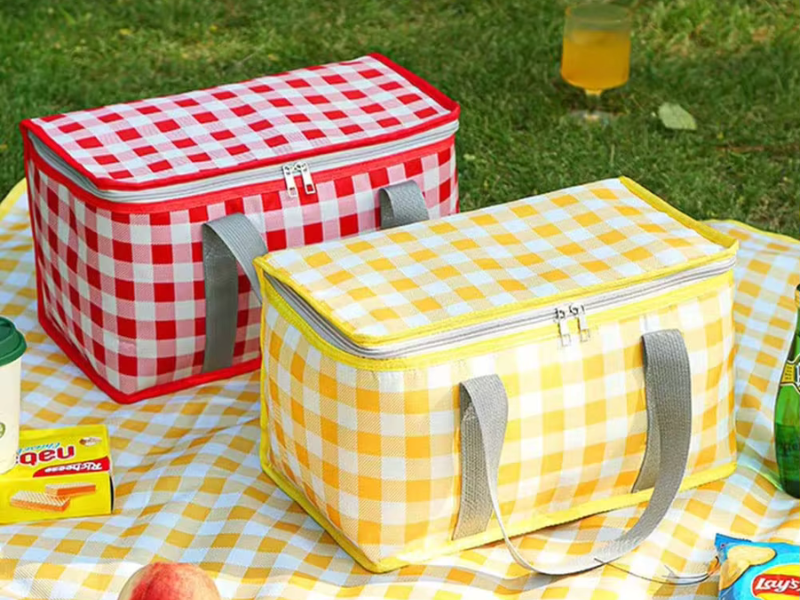
Lunch bags that keep food at safe temps work by fighting off all three main ways heat moves around. First there's conduction, which happens when heat travels through touching surfaces. Good lunch bags fight this with stuff like closed cell foam inside because it traps air pockets and slows down how fast heat can move through them. Then we have convection, basically when warm air rises and cooler air comes in. These bags stop this from happening with tight seals on zippers and those extra flaps that close completely so outside air doesn't get in. Lastly there's radiation, which is basically invisible heat waves bouncing around. The shiny foil lining inside these bags reflects those heat waves right back at whatever food is stored inside. When manufacturers combine all these methods in their design, they can actually keep food cold or hot for anywhere between four to eight hours longer than regular old bags without any insulation, according to both USDA and NSF standards for keeping food safe.
Comparing insulation materials: closed-cell foam, reflective foil, and phase-change gel pack compatibility
The most effective thermal lunch bags combine complementary insulation technologies:
| Material | Key Benefit | Best Use Case |
|---|---|---|
| Closed-cell foam | Lightweight, durable air-trapping structure | Everyday cold- or hot-food transport |
| Reflective foil | High-efficiency radiant heat deflection | Outdoor or sun-exposed environments |
| Phase-change gel packs | Active thermal buffering during state transitions | Extended commutes or variable ambient conditions |
Most high quality coolers rely on closed cell foam as their main insulating material because it just works so well without needing much maintenance over time. The shiny reflective foil inside these bags becomes really important if someone leaves them sitting in a hot car or under bright sun for any length of time. There's also something called phase change gels available now too. These special packs can soak up heat when things get warm and then give it back when temperatures drop, which means they offer better temperature control than regular insulation alone. Putting all these components together makes sense actually: the foam blocks outside heat first, the foil reflects what gets through, and those gel packs handle the tricky middle ground where normal insulation falls short. This combination tends to work much better than trying to rely on just one method.
Critical construction elements: double-layer walls, heat-sealed seams, and waterproof food-grade linings
How well something lasts and keeps its temperature depends a lot on how it was built. When manufacturers use double layer walls, they get that important dead air space between the outside shell and inside part. This makes a big difference in stopping heat from moving through the material. The seams are heat sealed instead of stitched, which means no tiny gaps for air or warmth to escape from. We've all seen what happens when there are little holes around zippers or near the bottom corners of bags. For keeping things dry inside, food grade waterproof linings matter too. Materials like BPA free PEVA or TPU do the job without letting moisture damage the insulation. These linings also pass FDA tests for touching food directly. All these design choices work together to keep food at safe temperatures much longer than regular insulated bags manage. Tests show holding times can be 40 to 60 percent better actually. And after many uses, the bag still performs reliably without losing effectiveness, which is crucial for anyone concerned about food safety over time.
Food Safety Fundamentals: Staying Out of the Temperature Danger Zone
Between 40 degrees Fahrenheit and 140 degrees Fahrenheit lies what food safety experts call the temperature danger zone. This is when harmful bacteria such as Salmonella, E. coli, and Listeria multiply at alarming rates, sometimes doubling their population every single twenty minute period according to USDA guidelines. Most perishable foods shouldn't sit in this temperature range longer than two hours total. That drops down to just one hour when outside temps push past 90 degrees Fahrenheit. Thermal lunch bags work well as part of keeping food safe, though they don't completely remove all risks. These bags do help keep food either below 40 degrees for cold items or above 140 degrees for hot meals for extended periods. But getting good results requires more than just relying on the bag itself. The real trick is combining it with proper cooling elements like frozen gel packs or heating solutions such as preheated stainless steel containers rather than thinking insulation alone will do the job.
Proven Packing Strategies for Maximum Thermal Retention
Pre-chill everything: bags, containers, and gel packs before loading
Getting things cold ahead of time makes all the difference when it comes to keeping things at the right temperature. Put those thermal bags, food containers, and gel packs in the freezer or fridge for at least two hours, maybe even overnight if possible, before starting to pack everything up. When warm stuff gets mixed in with cold stuff, it creates what some call "thermal debt." Basically, warm items eat away at the cooling power of those gel packs, making everything stay safe for much shorter periods. Some tests showed that systems that were already chilled could keep temperatures under 40 degrees Fahrenheit for about five hours total. Systems that started at room temperature? They hit unsafe levels within three hours according to NSF International research from 2023. If folks want the best outcome, they should take chilled food straight out of the fridge and put it into containers that have been cooled down first. Then pop those into the main bag along with gel packs that are completely frozen solid.
Smart layering and arrangement: minimizing air gaps and thermal bridging with upright storage
The spaces between things actually speed up heat transfer instead of slowing it down, which means we need to pack stuff tightly in vertical arrangements. Start off by putting those gel packs along the sides and bottom of the bag to create what amounts to a chilly border around everything. Next step? Stack those hard, boxy containers upright rather than laying them flat. This cuts down on how much surface area touches other surfaces and gets rid of those pesky empty spots. For items that really suffer when temperatures rise - think raw fish, milk products, or sliced meats from the deli counter - put them right in the middle where they're completely encased in cold stuff. Some tests have shown this setup can cut temperature swings inside by about 30 percent and keep food safely chilled for almost two extra hours compared to just throwing everything in randomly or stacking horizontally.
Choosing the Right Containers to Complement Your Thermal Lunch Bag
Vacuum-Insulated Stainless Steel vs. Insulated Plastic Bento Boxes: Impact on Cooling Duration and Freshness
A container does more than just hold things—it actually affects temperature control. Stainless steel containers with vacuum insulation work by having two walls with space between them, this design stops heat from moving in or out through conduction and convection. Labs have tested these containers and found they keep cold stuff below 40 degrees Fahrenheit for about six to eight hours, sometimes even three hours longer than regular plastic lunchboxes. Most plastic options depend on simple foam layers, small air spaces, or weak reflective surfaces, but these don't stop outside heat very well at all. Plastic still works fine for quick trips or when carrying food that won't spoil easily, but steel containers provide real protection against dangerous temperatures. This matters a lot when transporting delicate foods such as yogurt, cut cheese, or chicken that's already been cooked. Anyone who regularly carries perishable food should consider stainless steel not as something fancy, but rather as an essential improvement for keeping food safe during transport.