
 EN
EN
![Foldaway Shopping Bags: Cut Packaging Costs 40% [B2B]](https://shopcdnalpha.grainajz.com/category/59553/3865/5e0dc42180dd262b084e1d24dcabef50/19098d30-7354-48ca-a300-7deb5f25dc4c.jpg)
![Foldaway Shopping Bags: Cut Packaging Costs 40% [B2B]](https://shopcdnalpha.grainajz.com/category/59553/3865/46a565db6b3303206cd3e0e0d330958c/b4cc1cd4-a361-4e56-880e-022f5530031b.png)
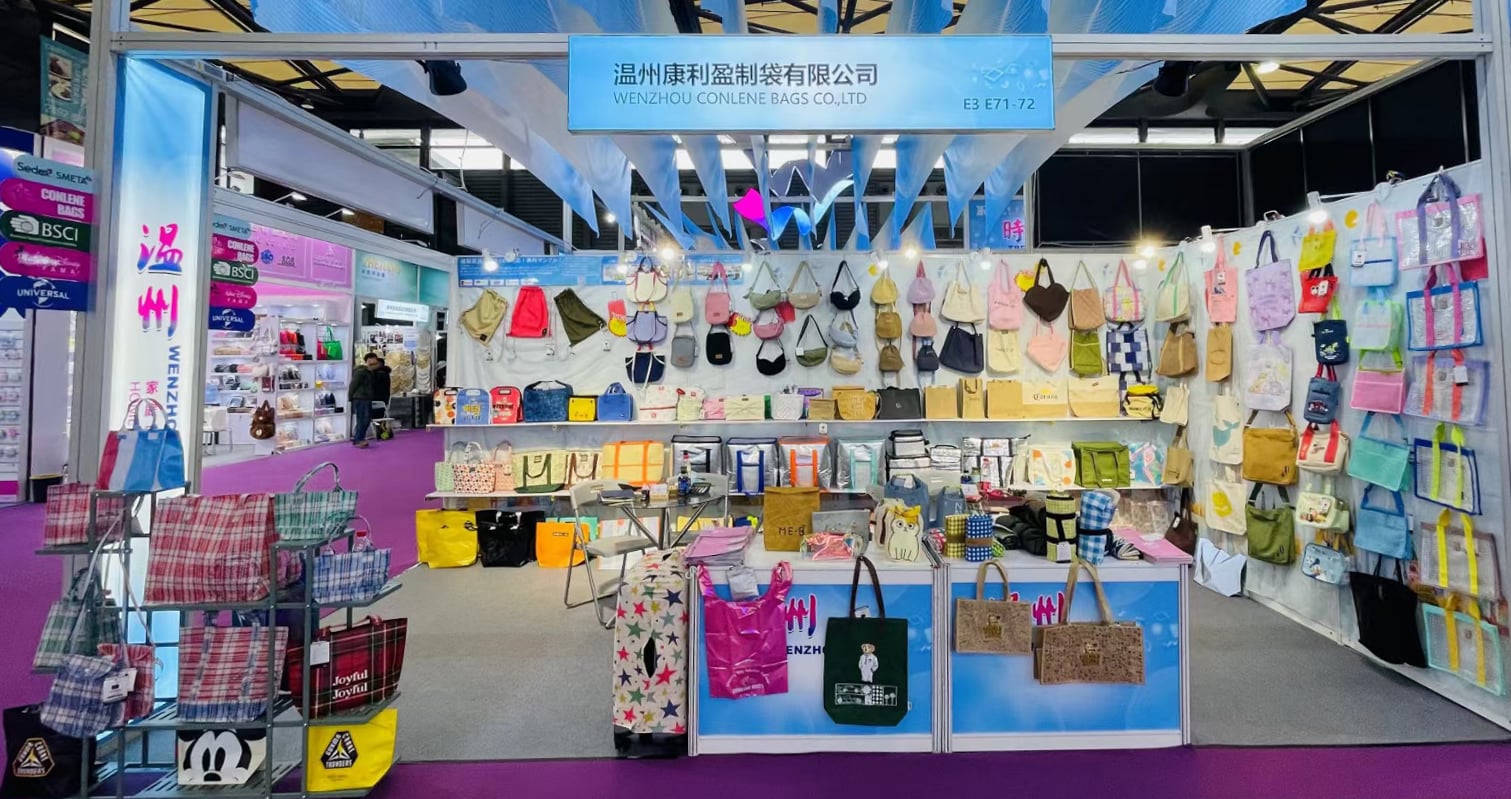
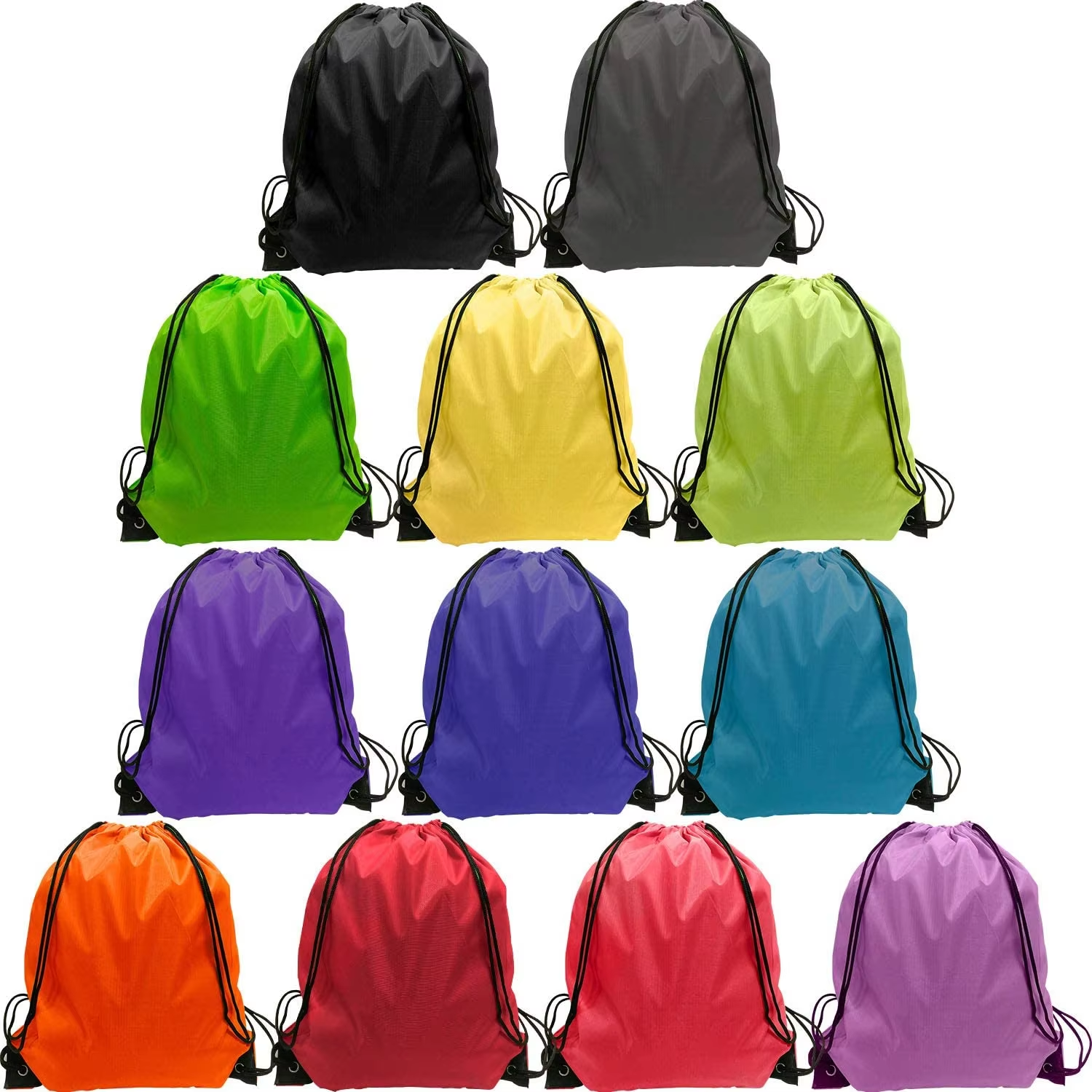
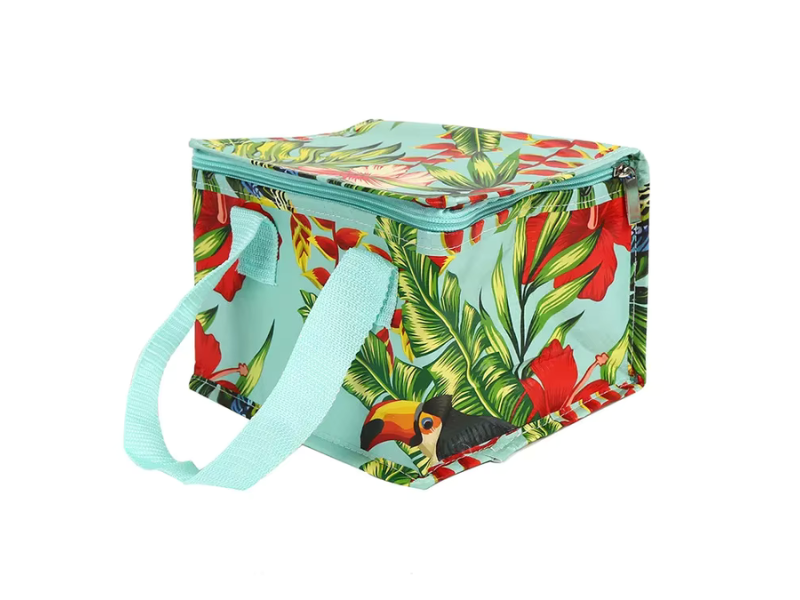

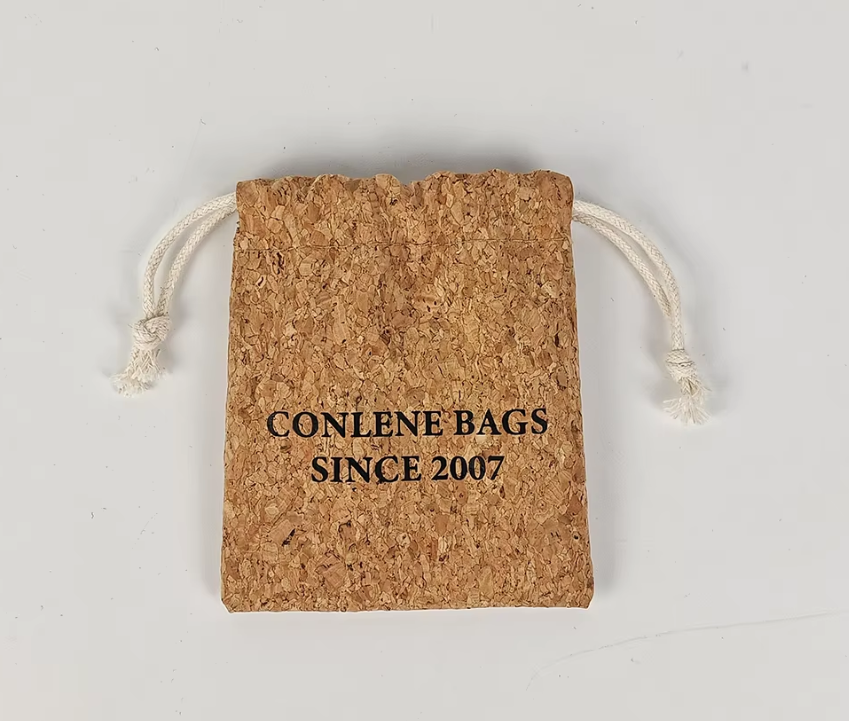
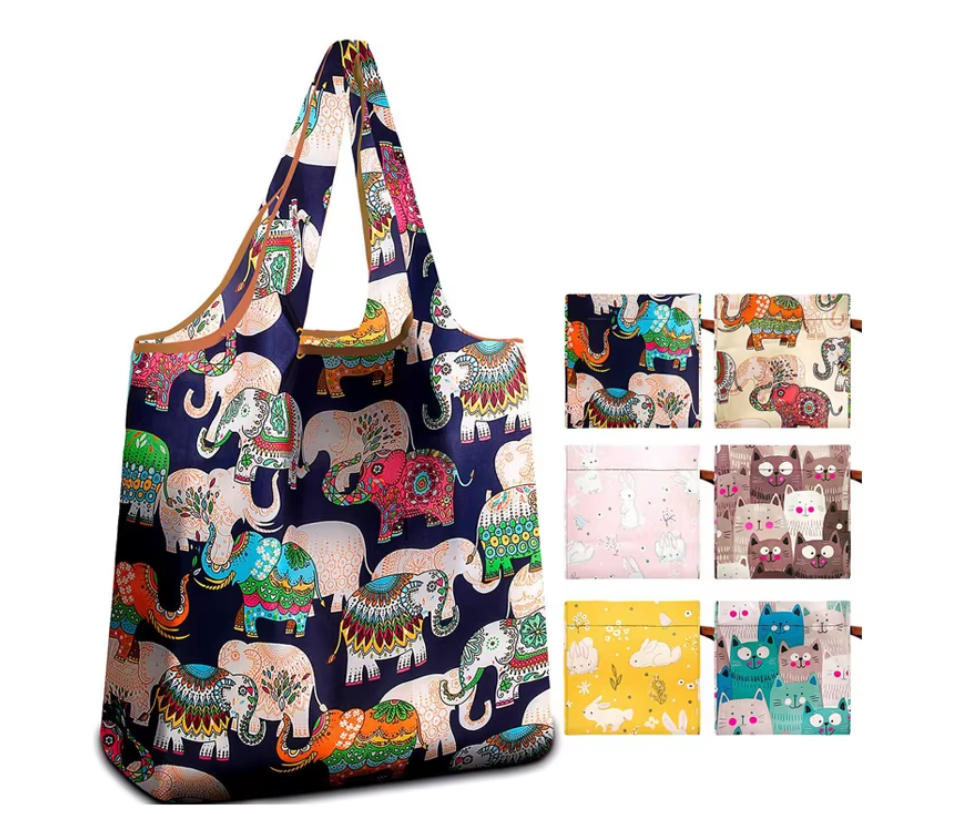
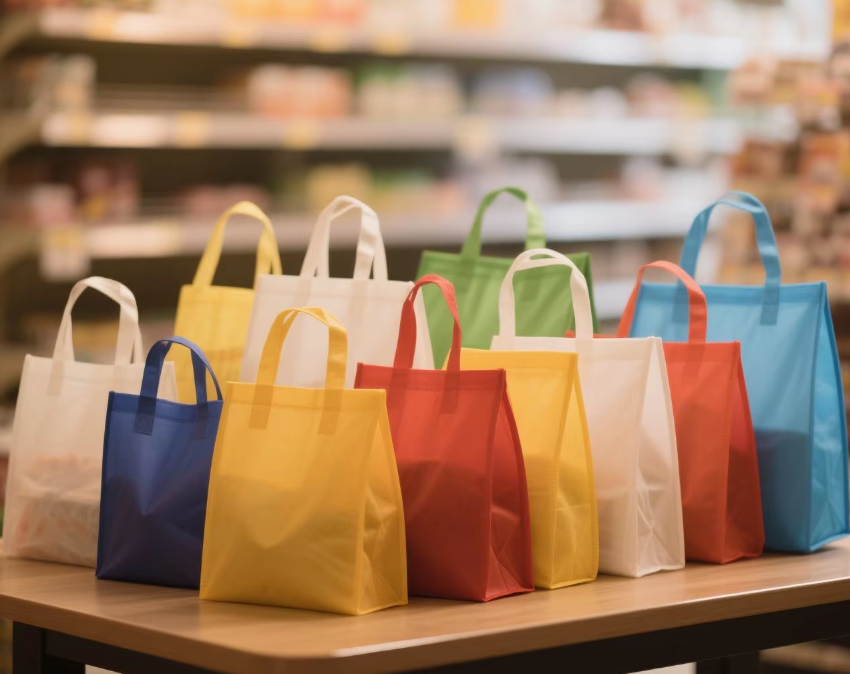
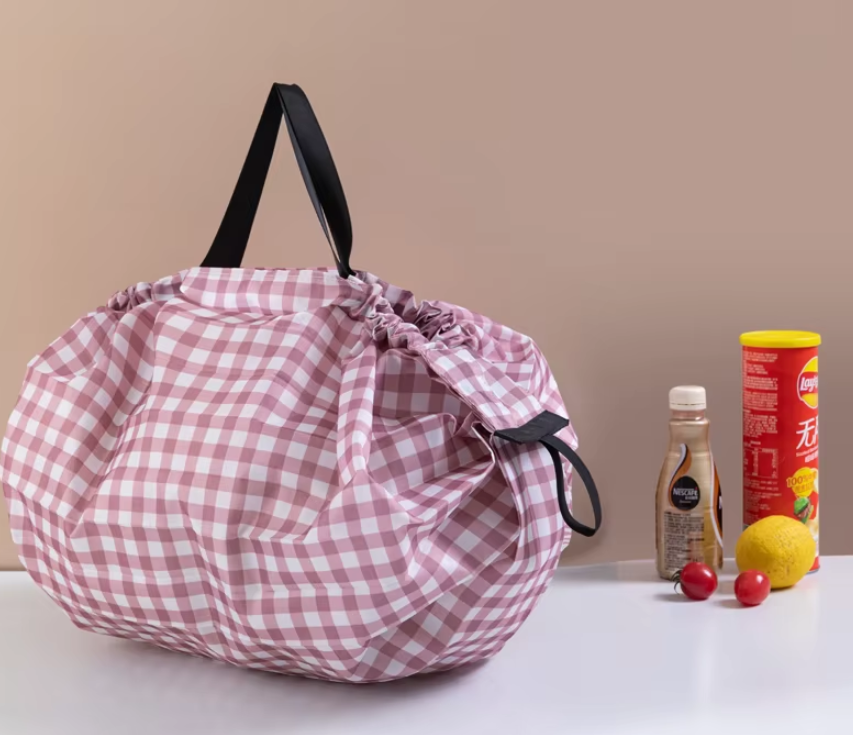
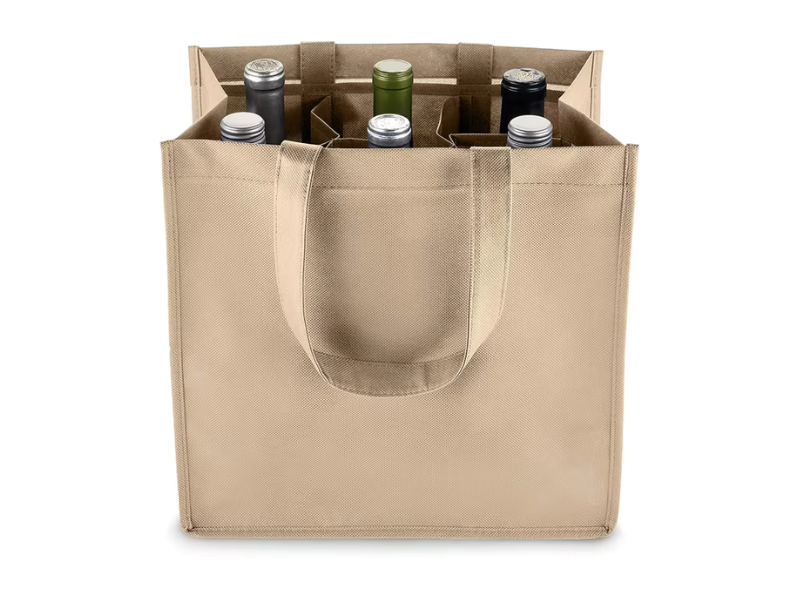
Cut Packaging Costs with Durable, Reusable Eco Bags
How foldaway shopping bags reduce replacement cycles and logistics overhead
Foldaway shopping bags cut packaging costs by extending product lifespan and streamlining supply chains. Built to withstand hundreds of uses, they outlast disposable bags that typically fail after one or two trips. This durability reduces procurement frequency by up to 90%, lowering shipping volumes and freight expenses. Retailers benefit from:
- Reduced warehouse space needed for bag storage
- Lower fuel consumption and emissions from fewer delivery trucks
- Less staff time spent on restocking and inventory management
Their compact folded design maximizes storage efficiency—500+ reusable units can fit in the space occupied by just 50 bales of disposable bags. These operational improvements translate into 30–40% annual savings on packaging logistics, according to industry analyses.
Long-term ROI: Comparing single-use vs. reusable bag economics
Although disposable bags have lower upfront costs, reusable foldaway bags deliver far greater lifetime value. A single reusable unit can replace more than 500 single-use bags, reducing per-use costs to mere pennies and eliminating recurring purchase orders. Retailers also avoid hidden expenses such as:
- Plastic bag taxes, which range from $0.05 to $0.25 per bag in regulated markets
- Waste disposal fees for discarded packaging
- Reputational risks tied to non-compliance with sustainability regulations
Financial modeling shows most businesses reach break-even within six months, with enterprise-level savings exceeding $20,000 annually per store location. As plastic bans expand globally, the economic advantage of reusable solutions continues to grow.
Boost Brand Trust and Loyalty Through Sustainable Bag Solutions
Leveraging foldaway shopping bags to signal eco-integrity at checkout
When stores start putting those foldable shopping bags at the checkout counter, it shows they really care about going green. Customers notice right away that the business is serious about protecting the environment while they're making their purchases. More people these days see reusable bags as part of what makes a store ethical, so when retailers offer sturdy alternatives, shoppers tend to trust them more quickly. These bags are designed to be both practical and easy to carry around, which means folks actually take them home and use them again instead of grabbing plastic ones from the bin.
When shoppers see companies offering green alternatives, they tend to feel those brands share similar values, which builds stronger emotional ties during purchases. Take reusable shopping bags for instance – these little items often start chats between customers and staff about cutting down on plastic waste, making sustainability part of daily interactions rather than just another marketing buzzword. Many store owners have noticed something interesting too: after switching to greener checkout options, their customer feedback numbers go up. People who might have walked out once become regulars because they appreciate seeing real efforts toward environmental responsibility right there at the counter where money changes hands.
Custom branding on reusable bags as high-impact, low-cost marketing
When people carry around branded foldaway bags, they become walking billboards really. Each time someone grabs one from their car or backpack, the logo gets seen again and again throughout neighborhoods. These aren't just single use plastic bags that end up in landfills after one trip. The durable ones last for years, bouncing between homes, offices, and stores while keeping the brand name fresh in minds without costing much money over time. Some studies have actually found that customers remember brands printed on reusable shopping bags about 63 percent better than ads online. Makes sense when thinking about how often those bags get used in daily life situations versus fleeting digital banners that disappear after a few seconds.
When people actually take pride in carrying these items around - not just because they work well but also as a way to show they care about the environment - something interesting happens. The bags stop being disposable and start becoming part of everyday life instead. People keep using them again and again, which naturally makes others notice the brand attached to them. Customers stick with brands that align with their values this way, and companies find that their investment pays off much better than old fashioned ads ever did. It's a win-win situation for everyone involved really.
Ensure Compliance and ESG Alignment with Future-Proof Bag Choices
Navigating plastic bans: Why foldaway shopping bags meet evolving regulations
By now in 2023, over 120 countries around the world have either banned or placed taxes on those one-time use plastic bags we all know so well. And governments keep making these rules stricter every year. Stores are under pressure to find replacements that work within the law while also ticking boxes for environmental concerns. Foldaway shopping bags actually solve this problem pretty well. They can be reused again and again, cutting down on our reliance on throwaway plastics. Plus they last long enough to satisfy even tough standards like the European Union's rule that requires bags to hold up through at least 125 trips to the store.
Stores need these kinds of bags to keep running smoothly when facing regulations such as California's SB 54 law requiring businesses to cut down on waste by 65 percent before 2032 hits. When they switch over to reusable alternatives, shops can dodge those expensive penalties while showing real improvements in their green efforts—something investors definitely look at during evaluations. Plus, the fact that these bags fold up small makes them easier for customers to carry around, so people tend to use them again and again rather than tossing them after one trip. This creates what experts call a closed loop system where materials get reused instead of ending up in landfills, something that fits right into today's push for circular economies across the board in environmental policies everywhere from city halls to corporate boardrooms.