 EN
EN


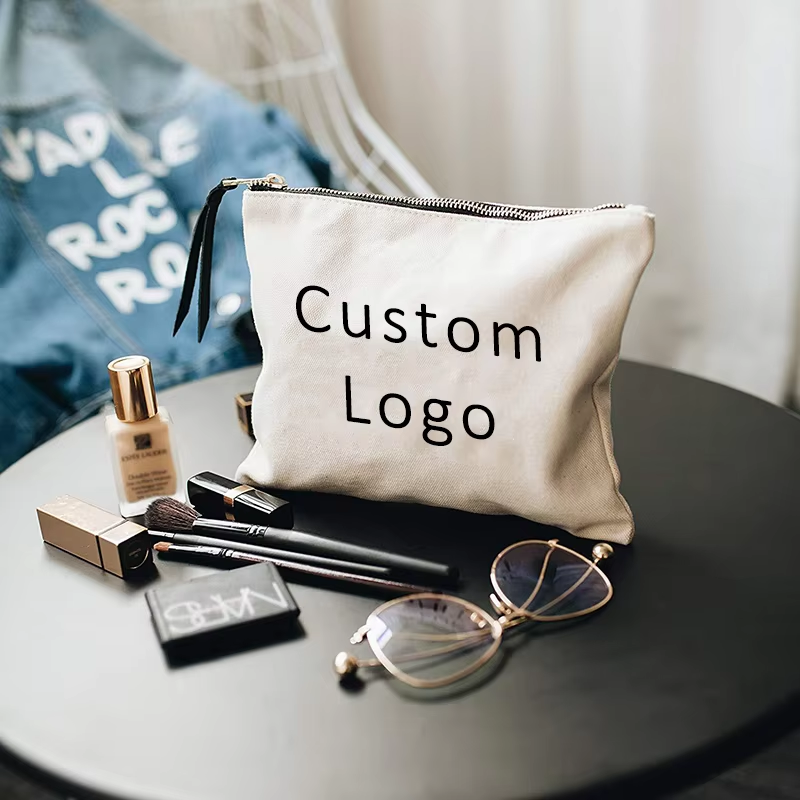
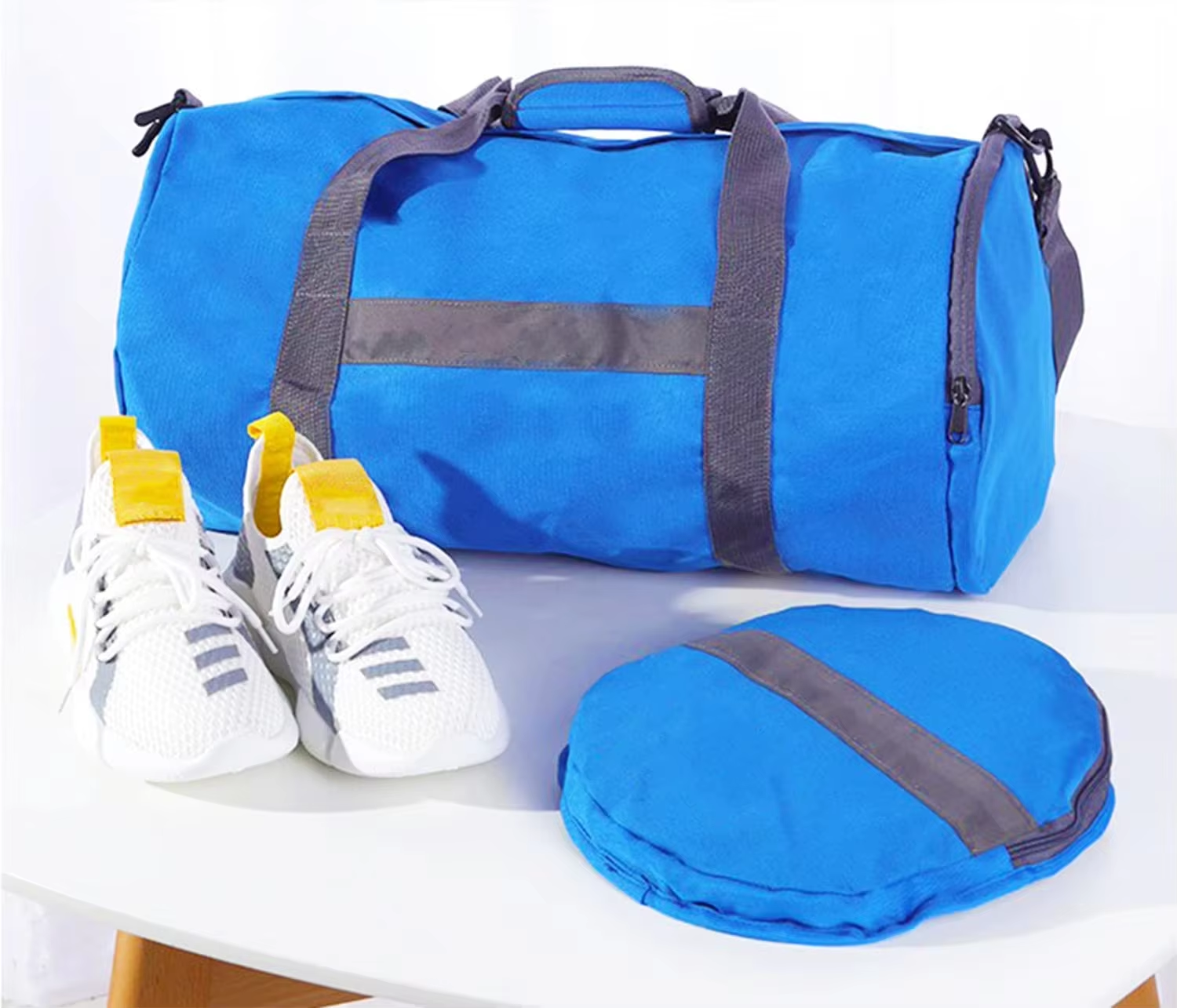
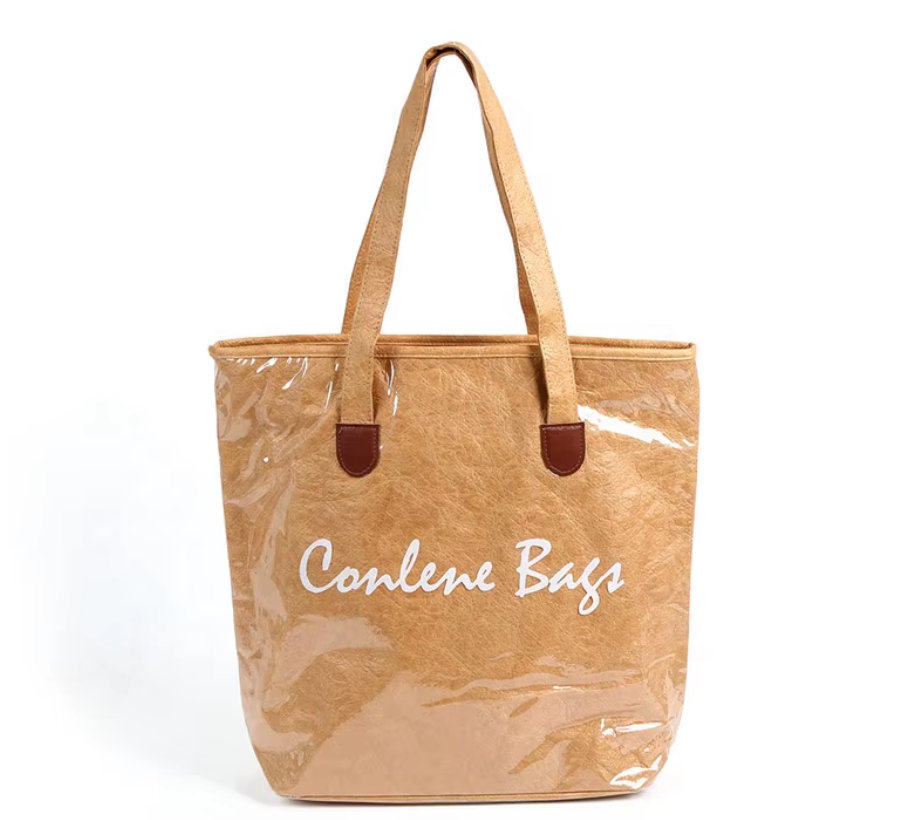
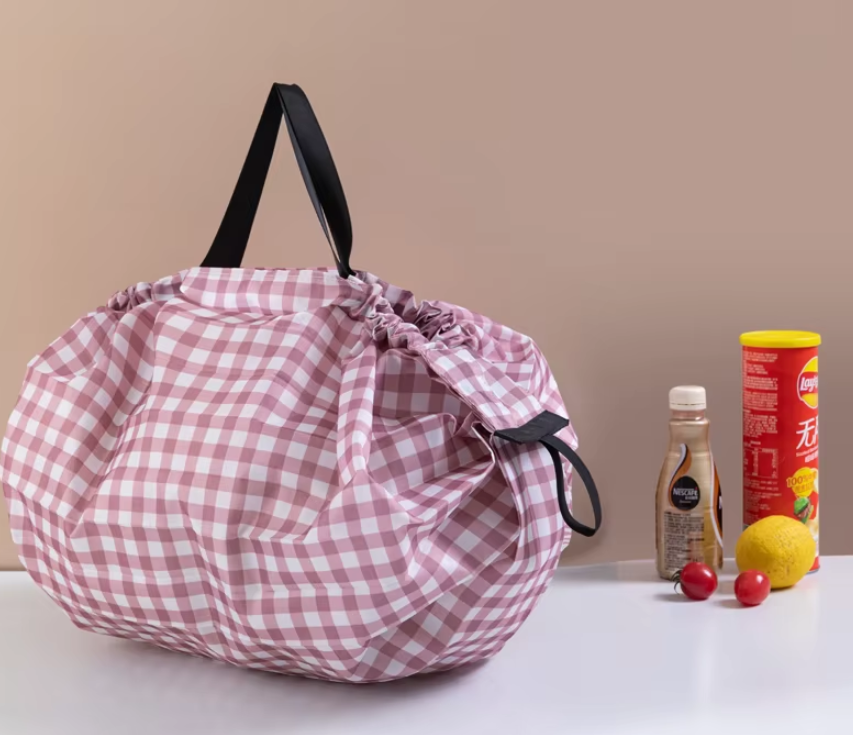
Taštičky typu tote sa stali nevyhnutnosťou v každodennom živote – od nákupov potravín až po výlet na pláž, do kancelárie alebo na víkendové vychádzky. Mnoho zákazníkov si neuvedomuje, že materiál, z ktorého je taštička typu tote vyrobená, ovplyvňuje jej praktickosť, trvanlivosť, štýl a dokonca aj jej vplyv na životné prostredie. Požiadavky na udržateľné materiály pri výrobe taštičiek typu tote v posledných rokoch výrazne vzrástli. PVC, korok a polyester sú dnes tri najpoužívanejšie materiály pre výrobu taštičiek typu tote. Každý z týchto materiálov má svoje vlastné jedinečné výhody a nevýhody a kľúčom pri výbere materiálu pre taštičku typu tote je nájsť ten, ktorý najlepšie vyhovuje vašim potrebám. Spoločnosť Conlene má dlhoročné skúsenosti v odvetví ekologických taštičiek a neustále skúma tieto tri materiály používané pri výrobe taštičiek typu tote, aby dosiahla optimálny kompromis medzi ekologickou zodpovednosťou a funkčnosťou a tak prispôsobila svoje výrobky rôznym spôsobom života ľudí. Tento sprievodca popíše a porovná charakteristiky, výhody, nevýhody a najvhodnejšie oblasti použitia jednotlivých materiálov, aby vám pomohol vybrať najvhodnejší materiál pre vašu taštičku typu tote.
Polyester: Všestranný materiál pre tašky typu tote
Nedá sa pochybovať o tom, že najčastejším materiálom pri výrobe taštičiek je polyester. Dôvodom je, že táto syntetická tkanina je najviac univerzálna. Medzi jej najdôležitejšie vlastnosti patria: trvanlivosť, nízka hmotnosť, jednoduchá údržba a minimálna starostlivosť. To znamená, že polyesterové taštičky vydržia každodenné používanie a sú odolné voči trhnutiu a rozvlákňovaniu, aj keď prenášajú ťažké predmety. Navyše sa polyesterové tkaniny dajú čistiť vlhkou handričkou a opäť vyzerajú ako nové. Vyvinutá bola nová forma polyesteru, ktorá je ekologickejšia. Táto nová forma polyesteru sa nazýva recyklovaný PET alebo RPET. Tento materiál sa vyrába z recyklovaných plastových fliaš. Nový materiál RPET má všetky rovnaké vlastnosti ako bežný polyester a zároveň prispieva k riešeniu problému plastového odpadu. To robí tento materiál ideálnym pre nové udržateľné značky. Spoločnosť Conlene patrí medzi prvých inovátorov výroby taštičiek z materiálu RPET a spustila niekoľko radov taštičiek z RPET, ktoré získali viaceré medzinárodné certifikáty v oblasti ochrany životného prostredia a kvality. To znamená, že tieto taštičky sú vysokokvalitné a zároveň bezpečné a priateľské voči životnému prostrediu.
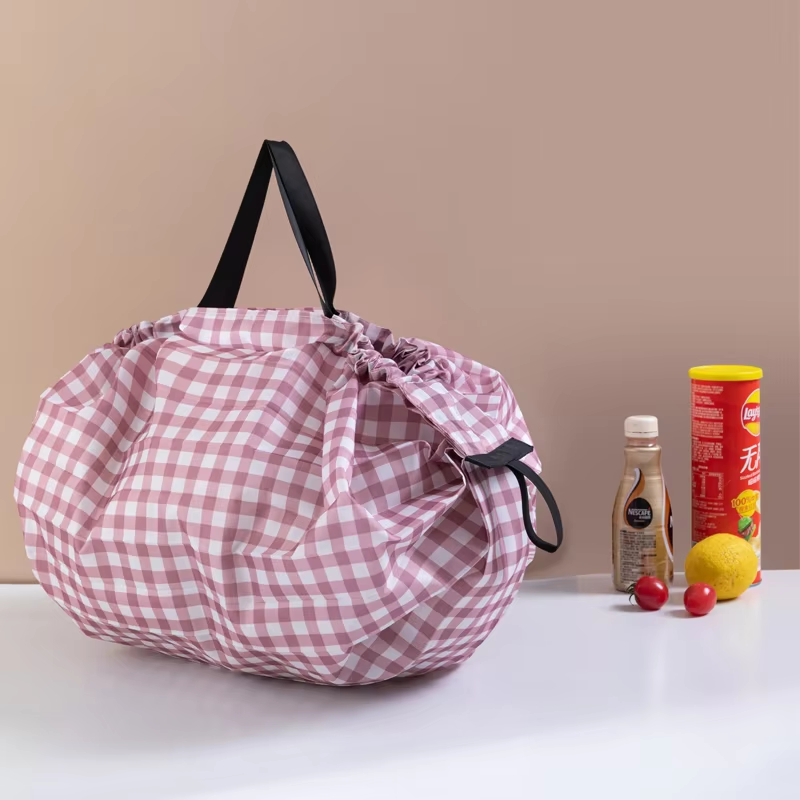
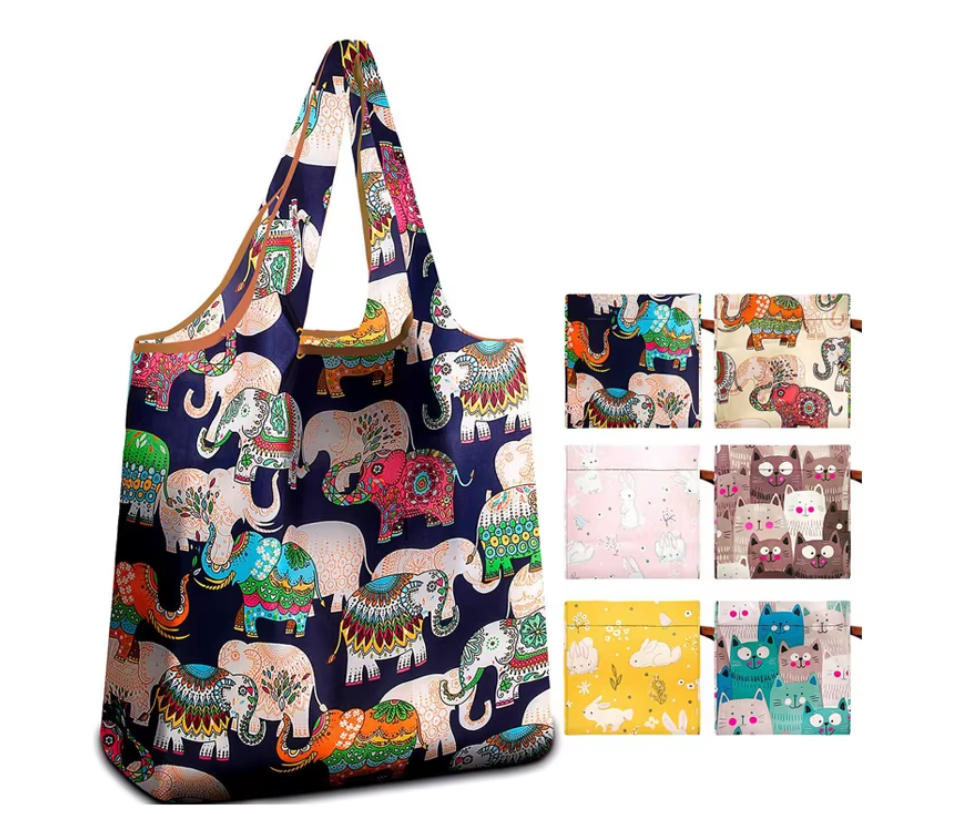
Použitie polyesteru na výrobu nákupných tašiek je široko rozšírenou a ocenenou možnosťou pre zákazníkov aj predávajúcich. Tieto nákupné tašky sa dajú zložiť a uložiť do malého vrecka, aby sa dali nosiť v kabelke alebo v batožinovom priestore auta. Tieto tašky sa môžu používať namiesto jednorazových plastových vreciek a prispievajú tak k zníženiu negatívneho environmentálneho dopadu spôsobeného používaním plastových vreciek. Tlač na polyesterových taškách je výbornou vlastnosťou týchto tašiek, pretože na ne je možné tlačiť logá, dekoratívne motívy a propagačné reklamy, pričom tlač vydrží aj pri dlhodobom používaní a praní. Spoločnosť Conlene ponúka zákazníkom veľký výber možností prispôsobenia polyesterových tašiek. Zmeny veľkosti, pridané vrecká, ako aj dizajny a tlač na taškách sa môžu upraviť podľa individuálnych požiadaviek zákazníkov a podnikov. Použitie polyesteru je vynikajúcou voľbou pre rôzne potreby – napríklad pre jednoduchú nákupnú tašku jednej farby, pre plážovú tašku s mriežkovým dizajnom a niekoľkými vreckami alebo pre tašku určenú na uskladnenie vecí do posilňovne či cestovania, ktorá udrží veci suché.
Polyester rýchlo vysychá, ponúka dobrú odolnosť voči vode a ani v prípade dažďa alebo zmáčnutia na pláži sa nezatvorí, čo ho robí lepším ako mnoho prirodzených vlákien. Okrem týchto výhod je pomer nákladov k výkonu u polyesteru vynikajúci. Vzhľadom na jeho nízku cenu a dlhú životnosť je to najlepšia voľba pre tých, ktorí potrebujú funkčnosť a zároveň chcu minúť menej peňazí.
Kork – Prírodná ekologicky zodpovedná voľba pre tašky typu tote
Kork je tiež ideálnym materiálom na výrobu taštičiek pre spotrebiteľov, ktorí chcú chrániť životné prostredie a zároveň obľubujú jedinečné dizajny. Keďže je z 100 percent prírodný a obnoviteľný, získava sa z kôry korkového duba, ktorý je najrozšírenejší v stredozemnej oblasti. Celý proces zberu korku patrí medzi najekologickejšie spôsoby zberu materiálu z stromov, pretože sa vykonáva ručne a stromy sa nepresekávajú. Po niekoľkých rokoch korkový dub znovu vyrastie novú kôru a celý cyklus zberu je udržateľný. Prírodný zber korku takisto robí korku skutočne ekologickým materiálom. Okrem toho, že je ideálnym materiálom pre životný štýl s nízkou emisiou uhlíka, chráni aj ekosystém.
Tašky z korku sú vyrobené z prírodných materiálov, čo zabezpečuje, že každá taška má pri každom výrobe jedinečný vzor a farbu. Keďže každá taška je jedinečná, každý nákup predstavuje iný a špeciálny zážitok. Jej prírodná a ľahká povaha znamená, že aj najväčšie tašky sa dajú ľahko prenášať. Jej prírodné odolné vlastnosti voči škvŕnám a vode znamenajú, že kvapky sa jednoducho zoskupia a skotúľajú sa, a škvŕny sa dajú ľahko odstrániť utretím. Údržba je veľmi jednoduchá. Vďaka svojej pružnosti a odolnosti proti opotrebovaniu sa vaša taška z korku nezdeformuje pri prenášaní každodenných vecí. Postupne sa na vašej korkovej taške vyvinie jedinečná patina, ktorá ešte viac zdôrazní originálnosť vašej korkovej tašky. Conlene, značka, ktorá sa zasazuje za používanie prírodných materiálov, začala do dizajnu svojich tašiek integrovať korek. Tým sa Conlene podarilo vytvoriť nielen produkt s prírodným vzhľadom, ale aj jednoduchú a štýlovú korkovú tašku vhodnú pre kanceláriu aj voľný čas.
Tieto tašky vyjadrujú minimalistický luxus a zároveň sú ekologicky šetrné. Sú vynikajúcou voľbou pre tých, ktorí chcú prostredníctvom každodenných doplnkov vyjadriť svoju osobnosť aj starostlivosť o planétu.
Kork je prírodný, obnoviteľný zdroj a udržateľný materiál. Kork však je oveľa citlivejší v porovnaní s inými materiálmi, ako sú polyester alebo PVC. Preto by sa korkové tašky nemali po dlhšiu dobu vystavovať extrémnym teplotám, pretože to spôsobí vysušenie korku, jeho praskanie a deformáciu. Tiež sa vyhýbajte dlhodobejmu ponoreniu do vody. Ak sa korkovej taške poskytne primeraná každodenná starostlivosť, bude po dlhú dobu použiteľná a jej jedinečný štýl ju urobí výrazným doplnkom v každodennom používaní. Hoci korkové tašky stojia trochu viac ako ich ekvivalenty z polyesteru a PVC, jedinečná estetika korkových tašiek a pozitívny environmentálny dopad spojený s ich nákupom predstavujú vynikajúcu voľbu pre spotrebiteľov zaujímajúcich sa o životné prostredie.
PVC – spoľahlivá vodotesná voľba pre tašky
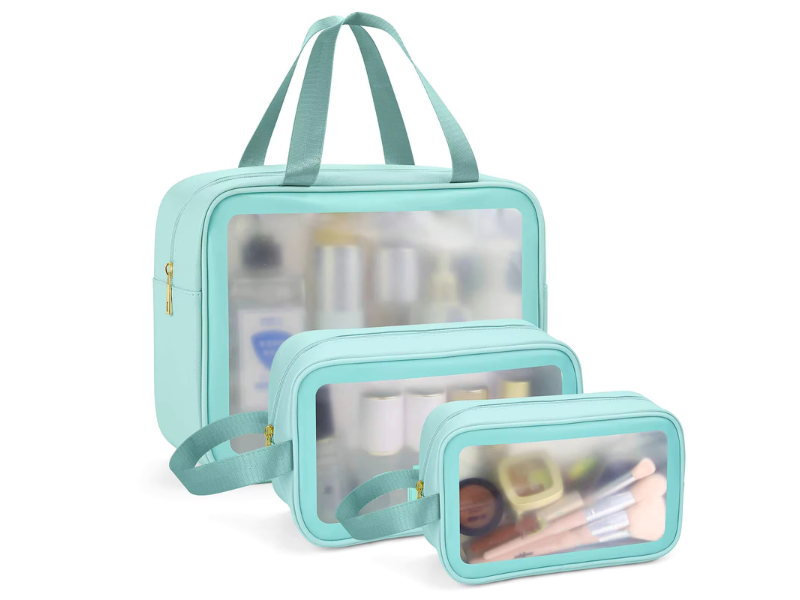
PVC je syntetický a pružný materiál, ktorý je zároveň praktický a vodotesný. Jeho vodotesné vlastnosti ho robia ideálnym pre tašky typu tote určené na používanie vo vlhkom prostredí, napríklad na pláži, pri bazéne alebo počas dažďa. Keďže vonkajšia vrstva PVC je nepriepustná pre vodu, voda sa nedokáže dostať cez vonkajšiu vrstvu tašky a vaše veci zostanú suché, aj keď ide o silný dážď alebo ak tašku prenášate na pláž. Počas leta je to ešte lepšie, pretože priehľadný dizajn pôsobí osviežujúco a štýlové. Nemusíte sa tiež obávať, že budete musieť v taške hľadať svoje veci – priehľadná PVC plážová taška typu tote vám umožňuje vidieť všetko, čo sa v nej nachádza. Spoločnosť Conlene navrhla rad plážových tašiek typu tote z materiálu PVC. Tieto tašky sú navrhnuté s vodotesnou funkciou na ochranu obsahu a ľahkou konštrukciou a okrem toho obsahujú sieťové vrecká a zipsy, čím sa ich dizajn stáva ešte praktickejším pre používanie vonku. Tieto tašky získali medzi spotrebiteľmi najväčšiu popularitu v tejto kategórii.
V porovnaní s konkurenciou je PVC taška na nákupy neuveriteľne ľahká, ľahko sa čistí a lacná. Keďže PVC materiál je ľahký, tašku na nákupy možno nosiť bez pridaného záťažového efektu a povrch tašky sa dá ľahko vyčistiť utretím vlhkou handričkou; v prípade potreby sa taška na nákupy dá umyť vodou. To je pre každodenné používanie mimoriadne pohodlné. PVC materiál má vynikajúce vlastnosti pri formovaní, čo umožňuje vyrábať tašky na nákupy v rôznych štýloch a dizajnoch. Môžu byť vyrobené ako elegantné štvorcové tašky alebo štylové tašky na pleť. PVC materiál sa tiež dá kombinovať s inými materiálmi, napríklad s polyesterom alebo plátnom, aby vznikol komplikovanejší a štylovnejší výrobok. Napríklad PVC taška na nákupy s vnútornou taškou z polyesteru nielen zachováva vodotesnú vlastnosť PVC, ale zároveň napravuje problém s nízkou súkromnosťou pri priehľadných PVC taškách, čím sa stáva vhodnejšou pre každodenné používanie.
Ako všetky materiály má aj PVC používané v taštičkách Conlene niektoré nevýhody. PVC sa nedobrá zdrží tepla. Predĺžený kontakt s vysokými teplotami môže spôsobiť, že sa stane tvrdým a krehkým, a dlhodobé vystavenie slnečnému žiareniu ho môže spôsobiť pozlátnenie. Tieto problémy však možno predísť jednoduchou starostlivosťou. Stačí taštičku pri nevyužívaní uchovávať na chladnom mieste a chrániť ju pred slnkom. Existuje mnoho obáv týkajúcich sa používania PVC v taštičkách, avšak ak sa PVC taštičky používajú tak, ako je určené, a nesú zahodené bez rozmyslu, môžu byť zodpovednou voľbou na náhradu jednorazových plastových vreciek a tak prispieť k zmierňovaniu plastového znečistenia. Spoločnosť Conlene sa sústredila na zvýšenie udržateľnosti výrobného procesu PVC taštičiek použitím certifikovaného ekologicky šetrného PVC a výrobou taštičiek vyššej trvanlivosti, čo umožňuje ich používať po mnoho rokov a zvyšuje ich celkovú environmentálnu hodnotu.
Výber materiálov pre vašu taštičku
Váš výber materiálu pre tašku typu tote závisí od konkrétneho použitia, environmentálnych aspektov, možností personalizácie a samozrejme aj od vášho rozpočtu. Materiály ako polyester, kork a PVC majú každý svoje výhody aj nevýhody. Zvážte, ako budete tašku typu tote používať: Ak hľadáte tašku na každodenné použitie v supermarkete, najlepšie sa osvedčí zložiteľná nákupná taška z polyestru. Ak rád chodíte na pláž a potrebujete tašku na prepravu svojich vecí, môže byť veľmi dobrým investíciou taška typu tote z PVC, pretože PVC je vodotesný materiál. Ak preferujete dýchací materiál, výborne sa osvedčí taška typu tote z polyestrového pletiva. Pre prácu, spoločenské akcie a výlety, pri ktorých chcete predviesť svoj štýl, je ideálnou voľbou taška typu tote z korku s prírodným, nenápadným a luxusným povrchom – dokonale sa hodí na doplnenie vášho outfitu.
Ak ide o potenciálne obavy týkajúce sa environmentálneho dopadu použitých materiálov, najlepšími možnosťami pri zohľadnení životného štýlu s nulovými emisiami uhlíka sú polyester z recyklovaného PET (RPET) a prírodný korek. Polyester z recyklovaného PET sa vyrába z recyklovaného plastového odpadu a prírodný korek je obnoviteľným zdrojom, čo obe tieto možnosti zaraduje do rámca udržateľného rozvoja. Spoločnosť Conlene navrhla ekologicky šetrné tašky z týchto materiálov a môžete byť pokojní, pretože získali niekoľko medzinárodných ekocertifikátov. Ak potrebujete vodotesnú tašku a vyberiete si PVC, znížite jej environmentálny dopad opakovaným používaním a nepoužívaním ako jednorazový výrobok.
Potreba prispôsobenia je tiež dôležitým faktorom. Ak si prajete mať na taštičke potlačené logo, dizajn alebo slogán, najlepšou voľbou je polyester, pretože sa na ňom najlepšie tlačí a potlač nezbledne. PVC sa tiež dá potlačiť, avšak výsledok nie je taký kvalitný ako pri polyestri a je najvhodnejší pre jednoduché dizajny alebo text. Prirodzené materiály, ako napríklad korek, nie sú vhodné na zložité dizajny, pretože sa na nich dajú potlačiť len jednoduché logá alebo dizajny, čo sa často považuje za sofistikovanejší a originálnejší spôsob vyjadrenia myšlienky alebo formy krásy.
Nakoniec máme aspekt rozpočtu. Pre podnikové hromadné prispôsobenie a pre väčšinu spotrebiteľov sa plátnenky z polyesteru a PVC nachádzajú v dobrých cenových rozpätiach. Plátnenky z korku sú však drahšie kvôli surovinám a výrobným procesom, no predstavujú dobrú voľbu pre ekologicky zameraných spotrebiteľov, ktorí oceňujú jedinečný štýl. Zvážte tiež počet použití tašky – ak potrebujete plátnenku na každodenné, intenzívne používanie, je polyester najodolnejšou možnosťou; ak potrebujete plátnenku len na niekoľko príležitostí, postačí plátnenka z korku alebo PVC.
Nakoniec je výber materiálu pre tašku viac otázkou toho, čo vyhovuje vám, než toho, čo je celkovo najlepšie. Zo troch uvažovaných materiálov je polyester najvhodnejší na každodenné použitie, kork je najvhodnejší pre ekologicky zvedavých milovníkov módy a pre vonkajšie použitie a vlhké podmienky je najlepšou voľbou PVC, pretože je praktickejší. Keďže sa ekologicky šetrné technológie stále ďalej vyvíjajú, značky ako Conlene pokračujú v skúmaní a inováciách týkajúcich sa použitia týchto materiálov. Zameriavajú sa na spojenie praktičnosti a ekologicky štrných technológií, aby poskytli novú ekologicky šetrnú možnosť pre tašky. Bez ohľadu na materiál, z ktorého je taška vyrobená, ak vyhovuje potrebám používateľa, bude určite užitočným aj módnym doplnkom. Prispievanie k boju proti environmentálnemu znečisteniu sa stane jednoduchším, ak ľudia namiesto jednorazových plastových vreciek používajú tašky.