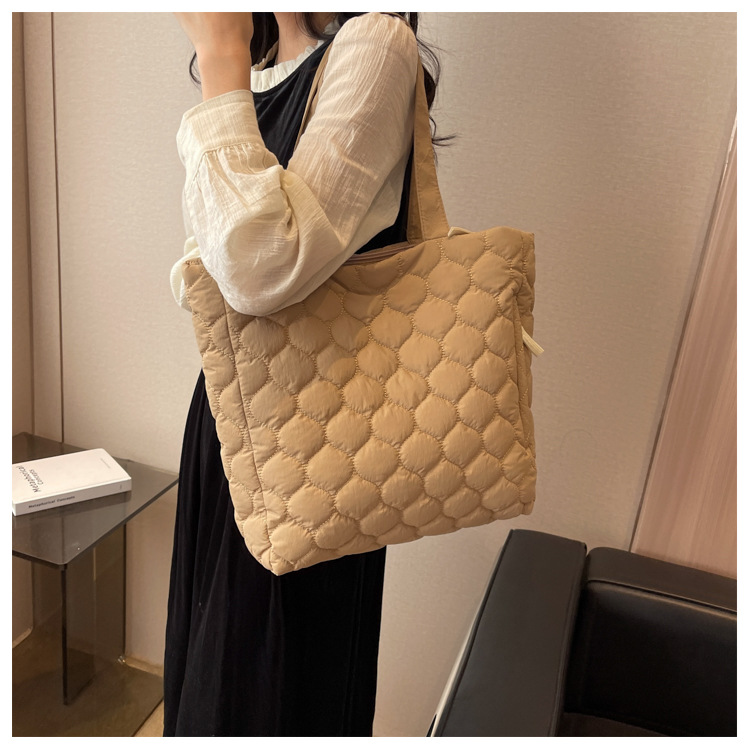
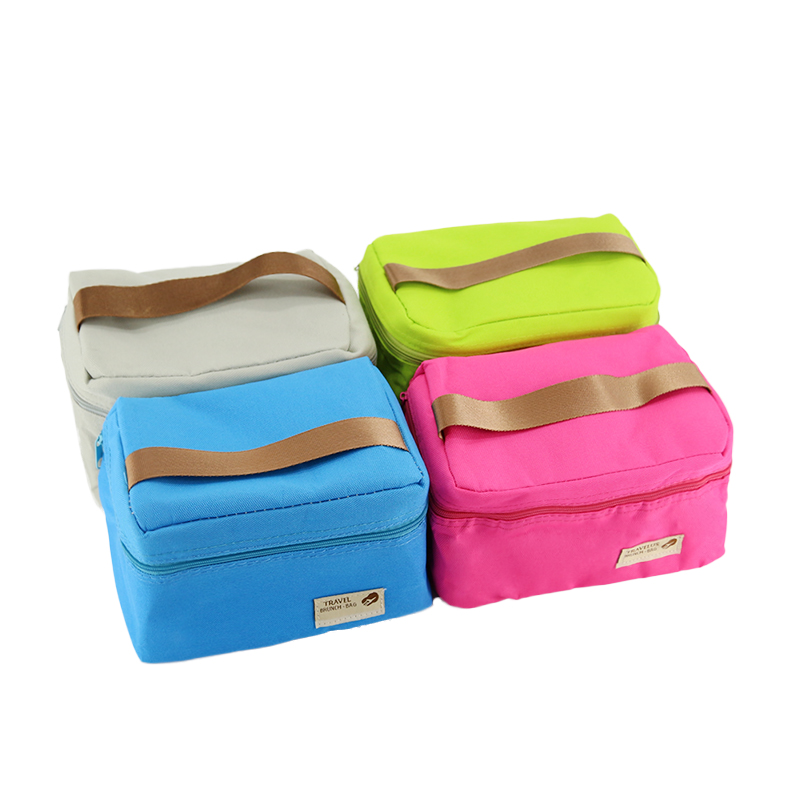
|
Item |
Detail |
|
Client |
NorthSea Foods — regional grocery chain, Netherlands |
|
Industry |
Grocery retail, 180 stores |
|
Product |
GRS-certified RPET reusable shopping tote, laminated |
|
Quantity |
150,000 units (first order), repeat order in Q2 |
|
Timeline |
45 days from artwork approval to store delivery |
|
Certifications |
GRS (Global Recycled Standard), REACH-compliant inks |
A mid-size Dutch grocery chain needed to eliminate single-use plastic checkout bags across all 180 stores within one quarter. Conlene delivered 150,000 GRS-certified RPET totes in 45 days, with a defect rate of 0.8% against a 2% target, while cutting per-unit cost 12% below the chain's previous supplier. The bags now carry an average weekly load of groceries for more than 200,000 shopper trips.
The client operates 180 neighborhood grocery stores across the western Netherlands. With national restrictions on single-use plastic bags tightening, the procurement team set a hard internal deadline: no plastic checkout bags in any store within one quarter.
Their merchandising team also saw an opportunity — a well-designed reusable bag is a walking billboard. Every shopper who reuses the bag in public extends brand visibility at zero media cost.
Certified recycled material.
1. Sustainability claims had to be defensible. The chain required GRS-certified RPET with traceable transaction documentation — not a generic "eco-friendly" label.
Grocery-grade durability.
2. The bag had to carry 15–20 kg of groceries, including canned goods and bottles, survive weekly reuse, and fold compactly for the checkout queue.
Volume and deadline.
3. 150,000 units across 180 store deliveries in under 50 days, with four-color branding that survived flexographic printing on recycled fabric.
The incumbent supplier failed the certification requirement. Two other bidders failed the load test: handles tore at 12 kg during sample testing.
Conlene cleared all three gates during sampling:
Documentation first:
Structural sampling:
Realistic timeline:
|
Specification |
Detail |
|
Material |
600D RPET woven fabric, GRS-certified, laminated interior |
|
Size |
40 × 35 × 20 cm, foldable flat to 20 × 15 cm |
|
Load capacity |
Tested to 22 kg (spec: 15 kg) |
|
Handles |
Reinforced cross-stitch, cross-panel anchoring |
|
Printing |
4-color flexographic print, REACH-compliant water-based inks |
|
Extra feature |
Interior mesh pocket for receipts and small items |
|
Packaging |
Banded in store-ready bundles of 50, no plastic overwrap |
|
Day |
Milestone |
|
1–5 |
Artwork confirmation + GRS documentation package |
|
6–10 |
Pre-production sample approved |
|
11–30 |
First production run + first 60,000 units delivered |
|
31–45 |
Remaining 90,000 units produced, inspected, delivered to regional DCs |
AQL 2.5 inspection ran on every batch. Two batches were re-stitched at our cost before shipping; the client never saw the defect.
|
Metric |
Outcome |
|
Plastic checkout bags eliminated |
~1.4 million per year across the chain |
|
Delivery performance |
100% of stores stocked by day 45 |
|
Defect rate |
0.8% (target: < 2%) |
|
Unit cost |
12% below the previous supplier |
|
Repeat order |
80,000 units placed in Q2, adding a second colorway |
|
Shopper reuse |
Store intercept survey: 71% of buyers reused the bag 3+ times in the first month |
"The paperwork mattered as much as the product. Our sustainability team could answer every audit question with the documents Conlene provided." — Head of Procurement, NorthSea Foods
Ask for certification documents at the sampling stage
1. , not after the deposit. A supplier confident in GRS traceability sends paperwork proactively.
Load-test handles with real weight, for 24 hours.
2. Most bag failures start at the handle anchors, and a 30-minute hand test won't reveal them.
Split deliveries de-risk deadlines.
3. If your chain spans many locations, a flagship-first rollout keeps stores covered while final production finishes.
What does GRS certification actually cover for an RPET bag?
The Global Recycled Standard verifies the percentage of recycled content (for our RPET, typically 100% of the polyester), tracks it through transaction certificates across the supply chain, and covers environmental and social criteria at processing facilities. For a retailer, it means your "made from recycled bottles" claim is auditable.
How many plastic bottles does one RPET tote use?
A 600D RPET tote of this size typically consumes the equivalent of 6–8 standard PET bottles, depending on fabric weight. We can print that figure on the bag itself — it consistently lifts shopper reuse rates.
What is the minimum order quantity for a custom RPET shopping bag?
For laminated RPET totes, our practical MOQ starts at 1,000 units per design. Chains ordering for 100+ stores typically start at 50,000–150,000 units, which unlocks volume pricing like the 12% saving shown in this case.
Can RPET totes replace plastic bags in cold-chain or wet-goods sections?
Yes, with a laminated interior (as used here) the bag resists condensation and minor spills. For frozen-food-heavy baskets we recommend a heavier 800–900D base fabric and a reinforced bottom panel.
How long does production take for a six-figure order?
With approved artwork and samples, 100,000–200,000 units typically take 35–50 days including QC. Split deliveries can start store coverage by day 30.

 EN
EN